



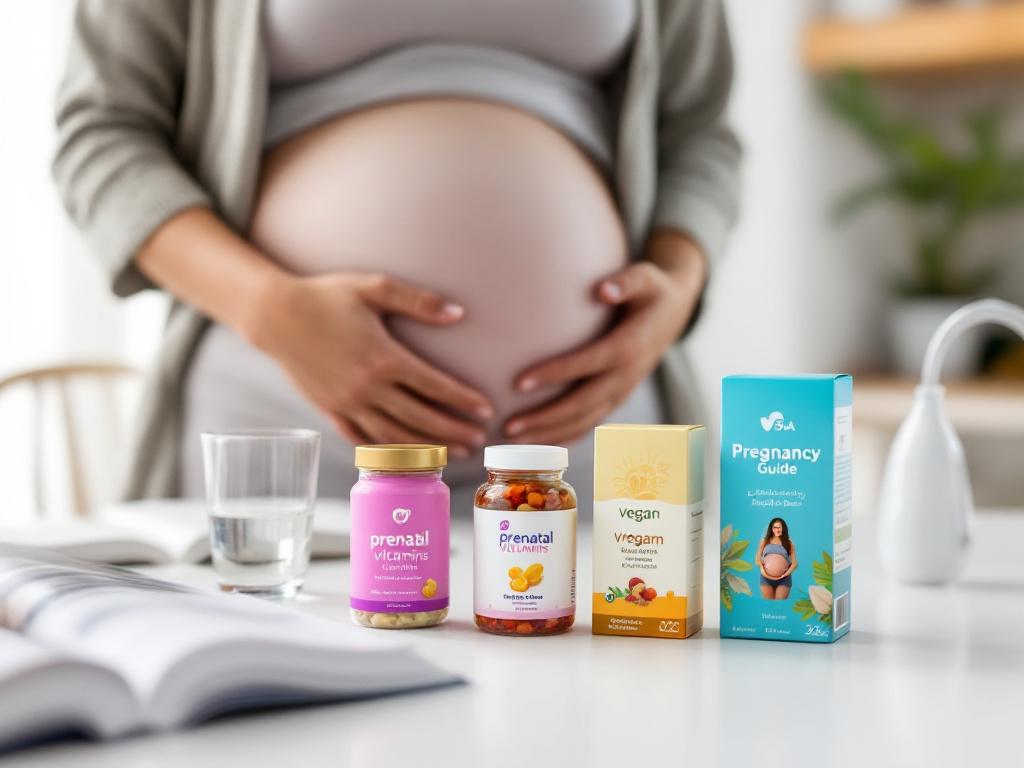
Finding the right prenatal vitamin can feel overwhelming, especially when supporting the health of both you and your baby. With countless options available, it’s essential to know what to look for in a quality supplement to ensure optimal nutrition during pregnancy.
This article will guide you through what nutrients should be included in prenatal vitamins, how we assessed the top brands, and our favorites categorized by specific needs. Whether you’re curious about the differences between gummy and tablet options or have safety concerns regarding interactions, we’ve got you covered.
By the end, you’ll have a clear understanding of the best prenatal vitamins suited for your lifestyle and preferences. With our expert insights, making an informed choice will bring you peace of mind on your journey to parenthood.
How we evaluate prenatal vitamins
Ingredients, bioavailability, brand reputation, and user reviews.
What a Prenatal Should Include
Choosing the best prenatal vitamins is crucial for expectant individuals, especially in the early stages of pregnancy. A quality prenatal supplement typically includes essential nutrients like folic acid, iron, and DHA. These ingredients play vital roles in developing the fetus and supporting the mother’s health. Folic acid, for instance, is known to reduce the risk of neural tube defects, while iron is essential for countering the increased blood volume during pregnancy.
In the first trimester, the body undergoes significant changes, making proper nutrition even more important. A prenatal should ideally offer at least 400-800 mcg of folic acid daily, along with 27 mg of iron. DHA, an omega-3 fatty acid, is another critical component, supporting fetal brain development. Many expectant individuals find gummy prenatals more palatable, while others prefer tablet forms for their comprehensive nutrient profiles. It’s crucial to choose the type that best suits individual needs and tolerances.
When evaluating recommended brands, look for those that clearly list their ingredients and dosages. Products certified by third-party organizations can also provide added assurance regarding quality and purity. To make informed decisions, consulting resources like the Best Prenatal Vitamins with Folic Acid 2026: Top 10 guide can help identify suitable options aligned with your specific prenatal needs. Overall, prioritizing nutritional balance will set the foundation for a healthy pregnancy.
How We Compared Top Prenatal Brands
Choosing the right prenatal vitamins is crucial for expectant parents, especially within the early weeks of pregnancy. To identify the best prenatal options, we compared various brands based on their nutrient profiles, dosage forms, and customer feedback. We focused particularly on essential elements like folic acid, iron, and DHA, which are vital for fetal development and maternal health during the first trimester.
Nutrient Analysis
Folic acid is one of the most critical components of prenatal vitamins, recommended to reduce the risk of neural tube defects. Iron helps support the increased blood volume during pregnancy, while DHA plays an essential role in brain development. We ensured that each brand analyzed contained adequate levels of these nutrients, following guidelines from health professionals and research.
Forms of Prenatal Vitamins
Many expectant mothers have preferences for how they take their vitamins, leading to a variety of options: gummy and tablet prenatals. While gummy prenatal vitamins are often more palatable, they may lack certain nutrients in adequate amounts compared to tablets. On the other hand, tablet prenatals generally offer a more complete nutrient profile, though some users may find them harder to digest. We took a balanced approach, evaluating both forms to cater to diverse preferences.
Consumer Insights
We also tapped into community-driven discussions, such as those found on Reddit threads like r/pregnant, where expectant parents share personal experiences and recommendations. Insights from real users helped gauge tolerability and overall satisfaction with different products, providing a richer context for our comparisons. Gathering this feedback allowed us to identify trends and preferences crucial for this audience.
Ultimately, this comprehensive evaluation of top prenatal brands aims to equip expectant parents with the information they need for informed choices. For those seeking more specific recommendations on prenatal vitamins, check out our Best Prenatal Vitamins with Folic Acid 2026: Top 10.
Top Picks by Category
Choosing the best prenatal vitamins involves understanding the necessary nutrients and how they can differ in form and efficacy. With varying options like gummy and tablet forms, it’s important for expectant mothers to identify which suits their needs. Popular categories of prenatal vitamins typically include those focused on essential nutrients like folic acid, DHA, iron, and specific blends for each trimester.
Essential Nutrient Focus
When selecting a prenatal vitamin, look for those that contain crucial nutrients. Folic acid is a must, as it helps prevent neural tube defects during the first trimester. Iron is also vital as it supports increased blood volume and oxygen transportation. Products rich in DHA can support fetal brain development, making them another excellent choice. Prioritizing these nutrients can empower you to make a well-informed decision.
Gummy vs. Tablet Prenatals
Gummy prenatal vitamins offer a tastier alternative to tablets, which can be beneficial for those with nausea during their first few weeks. However, many gummy supplements may lack iron compared to their tablet counterparts. Thus, if iron levels are a concern or if you’re also taking separate iron supplements, a tablet option could be preferable. For tips on managing side effects and ensuring proper nutrient intake, consider exploring 35 Pregnancy Snacks to Buy in 2026: Dietitian Picks.
Recommended Brands and Dosage
There’s a wide range of prenatal brands recommended in various parenting forums, such as r/pregnant on Reddit, where users often share experiences. While personal anecdotes can provide insight, ensure the product aligns with your health requirements. Most experts suggest taking prenatal vitamins that meet the recommended daily intake of essential nutrients throughout your pregnancy. The specific dosage might fluctuate based on individual health needs and dietary restrictions, so remember to consult a healthcare provider.
Making informed choices about prenatal vitamins is a crucial step during early pregnancy. Finding the right fit can support both maternal health and fetal development, ultimately leading to a healthier pregnancy journey.
For authoritative guidance, you can also refer to the CDC’s resources on folic acid and prenatal health for more detailed insights.
Gummy versus Tablet Prenatals Side by Side
When it comes to prenatal supplements, expectant parents often face a crucial decision: gummies or tablets? Both forms have their own merits, particularly when considering essential nutrients like folic acid, DHA, and iron, which are vital for fetal development during the first trimester.
Understand the Nutritional Profile
Tablet prenatals typically offer a more comprehensive nutrient profile, often containing higher levels of critical vitamins and minerals. These include significant doses of folic acid and iron, which are paramount to preventing neural tube defects and addressing anemia, respectively. In contrast, gummy prenatals, while often tastier and more palatable, typically contain less iron and fewer nutrients overall.
Pill Size and Ease of Consumption
Tablet supplements can be larger and harder to swallow, which might be a concern for those experiencing nausea common in early pregnancy. Gummies are often smaller and easier to chew, making them a popular choice among those with sensitive stomachs. However, it’s essential to consider the suggested dosage; many gummies recommend multiple servings to reach the same nutritional content as one tablet.
Sugar Content and Additives
A critical factor in the gummy versus tablet debate is sugar content. Gummies often contain added sugars to enhance flavor, which can be a concern for those monitoring their sugar intake. Tablets generally don’t have these added sugars, making them a better option for some individuals. Always check the ingredient list to ensure that you are making a well-informed choice.
Conclusion: Which is Right for You?
The choice between gummy and tablet prenatals is personal. If you prefer a more comprehensive dose of nutrients and don’t mind swallowing pills, tablets might be the way to go. However, if taste and ease of consumption are your priorities, gummy options can be very appealing. As always, consult with your healthcare provider, especially during early pregnancy, to ensure that your choice aligns with your nutritional needs.
Safety Notes Interactions and When to Talk to Your Doctor
When embarking on your journey through pregnancy, selecting the right prenatal vitamins is crucial for the health of both you and your baby. However, it is imperative to prioritize safety as different prenatal supplements, such as those containing folic acid, DHA, and iron, can interact with various medications or conditions. Always consult your healthcare provider before starting any supplement regimen, especially during the first trimester, when your body is sensitive to changes and nutrient needs are heightened.
Interactions can occur between prenatal vitamins and other medications; for example, iron supplements can interfere with antibiotics, making them less effective. Additionally, certain vitamins can be harmful in excessive doses. For instance, while folic acid is vital in preventing neural tube defects, too much can mask vitamin B12 deficiencies. Always adhere to the recommended dosage as indicated by your healthcare provider or as found on the product label.
If you experience side effects like nausea or gastrointestinal discomfort from gummy or tablet prenatal options, it’s important to discuss these concerns with your doctor. These symptoms can vary significantly between individuals and may require adjustments to your prenatal vitamin choice or dosage. If you’re part of community discussions on platforms like r/pregnant or seeking peer recommendations, remember that personal experiences vary and what works for one individual may not suit you.
Ultimately, maintain open lines of communication with your doctor regarding vitamin use, any changes in your health, or if you have questions about specific nutrients. To enhance your prenatal care, consider learning more about dietary considerations through our Pregnancy Food Safety Guide 2026: Kitchen Rules That Matter and understand what you should avoid during this critical time by reviewing Early Pregnancy: 21 Things to Avoid for Safety (2026).
Choosing the right prenatal vitamins is a crucial step in supporting both maternal health and fetal development. Key nutrients, such as folic acid and iron, play significant roles in preventing deficiencies and ensuring a healthy pregnancy. For those looking for quality options, brands like Garden of Life and SmartyPants offer tailored formulations that cater to a variety of preferences, whether you’re seeking gummy or tablet forms.
As you navigate your options, consider your specific health needs and consult a healthcare professional for personalized advice. Always be mindful of potential interactions and ensure that your selected prenatal vitamins align with your overall wellness plan. Start implementing your choice today, and empower your pregnancy journey with the right nutritional support.
Take control of your health and that of your baby by making informed decisions about prenatal vitamins. Your choices now can pave the way for a brighter future.
Frequently Asked Questions about best prenatal vitamins
What are the essential nutrients in prenatal vitamins?
<strong>Essential nutrients</strong> often include folic acid, iron, calcium, DHA, and vitamins A, C, D, E, and B-complex. These components are vital for fetal development and maternal health.
Are gummy prenatal vitamins as effective as tablets?
<strong>Gummy prenatal vitamins</strong> can be an enjoyable alternative and are often easier to take, but they may contain less of certain nutrients compared to tablets. Always check the label for nutrient content and effectiveness.
Can I take prenatal vitamins if I'm not pregnant?
<strong>Yes</strong>, many women take prenatal vitamins even when not pregnant to ensure they meet their daily nutrient needs, particularly for folic acid. However, consult a healthcare provider before starting any new supplement.
How do I choose the right prenatal vitamin?
Consider factors like <strong>nutrient content</strong>, form (gummy or tablet), and any dietary restrictions. It’s also beneficial to consult a healthcare professional for personalized recommendations.
When should I start taking prenatal vitamins?
Ideally, you should start taking prenatal vitamins at least <strong>one month</strong> before conception and continue throughout your pregnancy and nursing if applicable.
Is it safe to take prenatal vitamins during breastfeeding?
<strong>Absolutely</strong>, continuing prenatal vitamins during breastfeeding can provide important nutrients for both the mother and the nursing baby. Always consult with a healthcare provider for tailored advice.
Can I experience side effects from taking prenatal vitamins?
<strong>Some individuals</strong> may experience mild side effects such as nausea or constipation. If these occur, discuss with your healthcare provider to possibly adjust the type or dosage.
Where can I find high-quality prenatal vitamins?
Look for reputable brands in pharmacies or health food stores, and consider <strong>researching reviews</strong> online to find options that best suit your needs.