



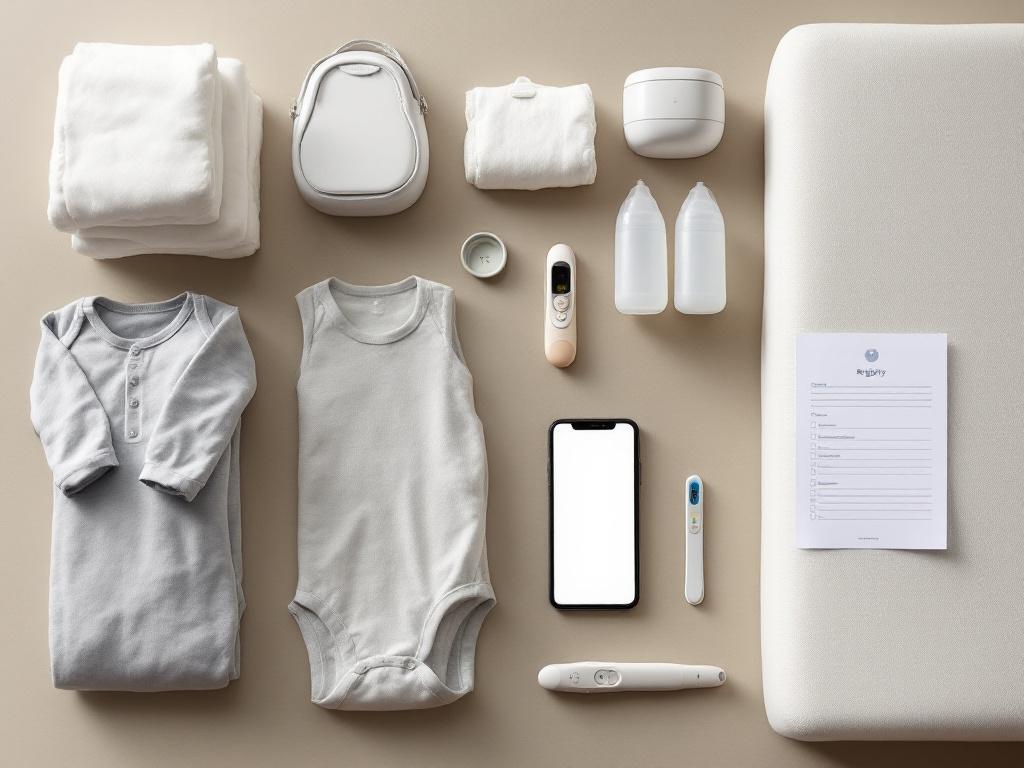
If you’re juggling midnight feeds, mountain laundry and advice from everyone, a practical baby registry checklist can cut through the noise. This friendly guide is made for new parents adjusting to life with a newborn and who want smart, low-stress choices.
We focus on what you’ll use every day, the feeding and sleep gear that actually matters, nursery furniture and safety, plus budgeting and savvy secondhand strategies. You’ll also get simple ways to personalize your list and manage gifts so the registry works for your family, not just a wish list.
Read on for a compact, prioritized checklist, clear safety pointers, and cost-conscious tips that save time and sleepless nights. By the first H2 you’ll have action items you can add to your registry or cross off immediately.
How we evaluate registry items
Frequency of daily use, safety ratings and independent testing, cleaning and longevity, cost-per-use and resale value inform every recommendation. We also consider space, multi-functionality and caregiver convenience.
Essentials You’ll Use Every Day
Feeding & Diapering Basics
Start your baby registry checklist with daily-use feeding and diapering items that save time and reduce stress during newborn care. Include a practical mix of bottle feeding supplies, easy-to-clean changing pads, and a small stock of newborn diapers and wipes; aim for a one- to two-week supply of disposables or the equivalent in cloth options to avoid last-minute runs. Choose washable accessories and items with simple closures so laundry and late-night changes take less effort for new caregivers adapting to motherhood.
For bottle feeding, list slow-flow nipples and a few easy-sterilize containers; for cloth diapering, add waterproof covers and a compact wet-bag for outings. Expectant parents should prioritize items that fit their lifestyle—compact systems for apartment living, larger diaper organizers for more space—and remember to register for a variety of sizes since newborn clothes fit briefly.
Clothing, Laundry & Postpartum Needs
Include several mixes of newborn and 0–3 month baby clothes in breathable fabrics, plus easy snaps for quick changes after feedings and for night-time care. Add laundry detergent formulated for sensitive skin and a mesh wash bag for tiny garments so they last through repeated cycles without damage.
Also register for practical postpartum recovery items that support parents in the first weeks; to learn what to buy and skip, see our Postpartum Recovery Essentials 2026: What to Buy & Skip, which helps balance comfort, baby safety, and budget considerations.
Health, Safety & Daily Monitoring
Prioritize baby health tools such as a reliable digital thermometer, a soft-bristled nail trimmer, and a compact first-aid kit tailored for infants; these reduce anxiety for new parents and are used frequently in newborn care. Add a few baby-safety items—outlet covers and cabinet latches—so basic protection is in place before exploratory stages begin.
Pro tip: Verify safety certifications and sleep-safety recommendations when selecting nursery furniture and monitors, and opt for products with clear care instructions to keep baby gear hygienic and long-lasting.
On-the-Go Gear & Practical Parenting Tips
Choose a compact, multi-use carrier or wrap for hands-free outings plus a lightweight, foldable bassinet alternative if space is limited; practical on-the-go gear makes day trips manageable and supports bonding during errands. Pack a small grab-and-go kit with extra clothes, a changing pad, and travel-sized baby health items so unexpected needs don’t derail plans.
- Actionable items to add: two swaddles, a portable changing mat, three burp cloths, and a small thermal bottle holder.
- Plan for growth: register for multiple sizes of clothing and a convertible nursery furniture option that adapts as baby develops.
Feeding and Sleep Gear That Actually Matter
Feeding fundamentals
Feeding is where your baby registry checklist delivers daily value: prioritize a compact breastfeeding support pillow, several easy-change outfits, and a small set of sterilizable bottles if you plan to supplement. Include a digital thermometer and basic baby health supplies so caregivers can monitor feeding-related issues quickly, which reduces stress during the first weeks of newborn care. For expecting parents balancing work and early motherhood responsibilities, choose lightweight, machine-washable fabrics for baby clothes to simplify laundering and rotation.
Bottle feeding and accessories
If you expect bottle feeding, list a modest number of bottles in two sizes, plus a manual brush and drying rack; start with four to six bottles and expand later if needed. Consider a hands-free pump or a compact manual option for occasional use, and include spare valves and seals because parts availability fluctuates with market trends. A simple bottle warmer saves night minutes, but verify safety certifications and ease of cleaning before adding it to the registry.
- 4–6 bottles (newborn and larger sizes) and 2–3 spare nipples with different flow rates
- Manual brush, drying rack, and a small sterilizing solution or microwave-safe container
- Spare pump parts, a compact cooler bag for expressed milk, and a feeding log notebook or app
Sleep essentials for newborns
Start with a firm, flat sleep surface, three fitted sheets, and a wearable sleep sack to reduce loose bedding in the crib because baby safety guidelines recommend limiting soft items. For safe routines and troubleshooting, see our Newborn Sleep Tips That Actually Work in 2026 which covers position, swaddling limits, and environmental recommendations new parents need. Include a simple audio monitor and blackout curtains to support circadian development without overcomplicating nursery furniture plans.
Pro tip: Choose a mattress certified by reputable testing standards and pair it with breathable bedding; this combination cuts overheating risk and makes nighttime care simpler for caregivers. Keep two sleep setups if you anticipate room sharing for the first months, so transfers are smoother and feed-to-sleep routines remain consistent.
Practical registry tips
Keep the registry flexible by listing both affordable essentials and one or two higher-ticket sleep or feeding items you’d like to try, which helps guests contribute at every budget level. Add short notes about household routines and newborn care preferences to guide gift-givers who aren’t parents themselves, and track return policies to swap duplicates quickly. Balancing immediate baby gear with room-to-upgrade choices keeps your nursery functional while you learn what truly works for your family.
Nursery Furniture and Safety Choices
Choosing safe sleep furniture
Selecting a crib or bassinet that meets safety standards is the top priority for expectant parents, because newborn sleep practices affect baby health and SIDS risk. For age-specific guidance, see our Newborn Sleep Patterns by Week: Safety Risks & Red Flags 2026, and review CDC safe-sleep recommendations: CDC safe sleep recommendations. Ensure mattress firmness, proper fit, and no drop-side mechanisms before adding the piece to a baby registry checklist.
- Check certification, slat spacing, mattress fit.
Storage, changing areas, and multi-use pieces
Plan storage for baby clothes by choosing a dresser with anchor points and shallow drawers to reduce tip hazards; add a changing pad that secures to the top for safer diaper changes. Create a bottle feeding station close to your nursing chair so bottles and baby gear are organized for feeds. Opt for convertible furniture when possible to extend utility as your child grows and choose wipeable surfaces for newborn care and motherhood.
- Anchor dressers; keep bottle feeding supplies accessible.
Babyproofing and long-term safety choices
Install outlet covers, cabinet locks, and secure cords before your baby becomes mobile, because prevention aligns with parenting tips and supports overall baby safety. Evaluate mattress chemical testing certifications, market trends, and choose low-emission foams to protect respiratory health during infancy. Pro tip: keep assembly instructions and spare hardware; correctly assembled furniture and prompt recall checks protect a child and simplify future resale.
- Install locks, covers, cord tidies; monitor recalls.
Registry Budgeting and Secondhand Strategies
Practical budgeting steps for your baby registry
Start by mapping costs to stages: immediate newborn care, 0–6 months, and big-ticket nursery furniture and gear you’ll use longer. For example, allocate roughly 40% of your registry value to daily essentials (diapers, baby clothes, basic baby gear), 35% to durable nursery furniture and safety items, and 25% to feeding supplies such as bottle feeding tools and accessories plus comfort items; this keeps spending realistic while covering newborn care needs. Expectant parents should add a 10–15% buffer for unexpected baby health purchases or preferences that emerge after birth, and track purchases in one place so the registry reflects real need rather than impulse wants.
Use the baby registry checklist to mark priority items and note acceptable alternatives (used, new, or borrowed) to guide gift-givers toward cost-effective choices. When evaluating models for nursery furniture or sleep surfaces, check certifications and testing standards, and prioritize items that improve baby safety and long-term usability; this reduces waste and future replacement costs. For a broader view of first-year costs and parental routines, consult a practical guide like the First-Year Parenting Playbook.
Secondhand strategies that save money and reduce waste
Buying used can cut costs dramatically: secondhand baby clothes often run 70–90% cheaper, and gently used nursery furniture can be a fraction of retail price while remaining safe if inspected properly. When choosing preowned items, inspect seams, hardware, and recall history, launder textiles in fragrance-free detergent, and avoid any product with visible structural damage; these steps protect baby health and maintain baby safety standards.
- Tip: prioritize buying new for car seats and mattresses; choose secondhand for dressers, bookshelves, and some baby gear with replaceable parts.
- Tip: bring a checklist to swaps and thrift visits—measurements, materials, and washability save time and returns.
- Pro tip: Track market trends for seasonal sales and community swaps to combine cost savings with sustainability.
Personalizing Your Registry and Gift Management
Match your registry to daily life
Start by mapping a realistic day in your life as expectant parents: who will do nighttime bottle feeding, whether you need compact baby gear for public transit, and which nursery furniture fits your floor plan. This helps you prioritize essentials for newborn care and avoid duplicating rarely used items that friends often buy. Tailor choices for motherhood and partner needs by noting specifics such as preferred bottle feeding styles, sleep location plans, and the climate you live in.
Assess practical details like laundry frequency to decide how many baby clothes to list, or whether you need extra crib storage rather than another dresser. Include one-off items that save time — for example, a hands-free feeding solution or a collapsible changing pad for travel — so guests can buy useful, not decorative, gifts. These targeted choices reduce waste and improve early baby health and safety at home.
Practical quantities and smart swaps
Use concrete quantity guidance to avoid overload: list 6–8 short-sleeve onesies, 3–4 sleepers, 2 swaddles, 4 burp cloths, and 2 quality feeding bottles if you plan bottle feeding. For nursery furniture, prioritize safety-certified pieces and request mattress or padding that meet recognized testing standards instead of multiple decorative items. Offer smart swaps on your registry page so guests can choose between new items and practical alternatives like a secondhand bassinet or a newborn care kit.
- 6–8 onesies (mix sizes)
- 2–3 sleep sacks or swaddles
- 2 feeding bottles plus cleaning brushes
- 1 changing pad and 4 covers
Gift management and etiquette
Create a simple tracking system to record who bought which item and when, which makes thank-you notes and returns smoother after the baby arrives. If several people want to chip in for larger nursery furniture, suggest a group-gift option or a cash fund for big-ticket needs; be transparent about timelines for purchases. Remember to note preferences such as hypoallergenic materials for baby health or sizes to reduce duplicates when friends ask directly.
Pro tip: Send a short registry update message at the 32-week mark and again after arrival so well-wishers know current needs and can act on urgent requests. For broader newborn planning, consider reviewing a practical resource like the First-Year Parenting Playbook to align gifts with early parenting tips and routines. This keeps your registry aligned with evolving market trends and real-world newborn care needs.
Sharing, returns and post-baby updates
Share your registry link across email, social channels, and with family coordinators, and set clear preferences about gift wrapping or direct shipping to avoid clutter before the baby comes. After arrival, update items you no longer need within 2–3 weeks and add essentials discovered in real use; transparent notes about returns or exchanges make guests comfortable choosing the right present. Monitor baby safety alerts and product recalls for any listed items so you can proactively swap unsafe models and protect infant wellbeing.
Finally, keep records of receipts and warranties for major purchases and communicate gratitude promptly to nurture relationships that matter most during early parenthood and motherhood. Thoughtful management turns a baby registry into a practical tool that supports daily routines, newborn care, and sensible long-term planning for your growing family.
With this baby registry checklist, you have a clear framework to prioritize practical items, weigh safety and budget, and tailor choices to your household. Focus first on what will be used every day, then layer in comfort, versatile gear, and a few personalized pieces that make life easier. Take a moment to set a short timeline, flag nonnegotiables, and pick stores that offer completion discounts or easy returns so you can adapt as needs change.
Next steps: finalize a curated short list of essentials, add varied price points for guests, and schedule a simple registry review a month before your due date. Share the registry link with your inner circle and ask for help with larger items or group gifts when helpful. Update the list as you learn more about routines—then relax and look forward to the little moments these choices will support.
Frequently Asked Questions about baby registry checklist
When is the best time to create a registry?
<strong>Any time you feel ready</strong> is fine, but many parents start in the second trimester to allow guests time to shop. If you prefer privacy early on, you can delay sharing the link until you’re comfortable. Updating as you go keeps the list practical and current.
How many items should I include?
Aim for a balanced list: <strong>6–15 core must-haves</strong> plus additional items across price points. Include small, medium, and larger-ticket options so guests can choose based on budget. Keep the list practical rather than exhaustive.
Can I add secondhand items to my registry?
Yes—<strong>clothes, books, and some furniture</strong> are great secondhand picks. Avoid used car seats and mattresses for safety reasons; buy those new. If you accept used items, note condition and cleaning details on the registry.
How do I manage returns and exchanges?
Register with stores that offer clear return windows and a completion discount when possible. Keep digital receipts and record gifts as they arrive to streamline returns. Communicate preferred policies on your registry to minimize surprises.
What’s the best way to handle bulky items or group gifts?
Use group-gifting features most retailers offer so multiple people can contribute toward big-ticket items. Offer alternative options (assembly help, local pickup) if shipping is a concern. Mark bulky items clearly in the registry so guests know what to expect.
Should I include gender-neutral items or personalize the registry?
<strong>Both approaches work</strong>—gender-neutral basics offer flexibility, while a few personalized picks add meaning. Think about your lifestyle and values when choosing unique items, then balance those with versatile staples.
Can I update my registry after the baby shower?
Yes—you can add or remove items at any time and mark received gifts to avoid duplicates. Many parents use the completion discount after the shower to purchase remaining necessities. Treat the registry as a living tool that evolves with your needs.