


Just had a newborn and already drowning in wipes and bottles? Choosing the right diaper bag can turn chaotic outings into manageable trips, whether you commute, hike, or run quick errands.
This friendly guide helps you pick a bag that fits your lifestyle and budget, highlights organizational features that actually make parenting easier, and gives short comparisons of top picks so you can skip endless scrolling. You’ll also get clear care instructions, materials explained, and real parent experiences that matter.
Read on to learn which pockets and fabrics save time, how to weigh durability against price, and what warranties and return policies to trust so you buy smart. By the end you’ll be ready to choose a practical, comfortable solution for life with a newborn.
How we evaluate diaper bags Capacity measured, pocket functionality tested on real outings, strap comfort, material durability, cleaning ease, and warranty terms compared.
How to pick the right diaper bag for your lifestyle and budget
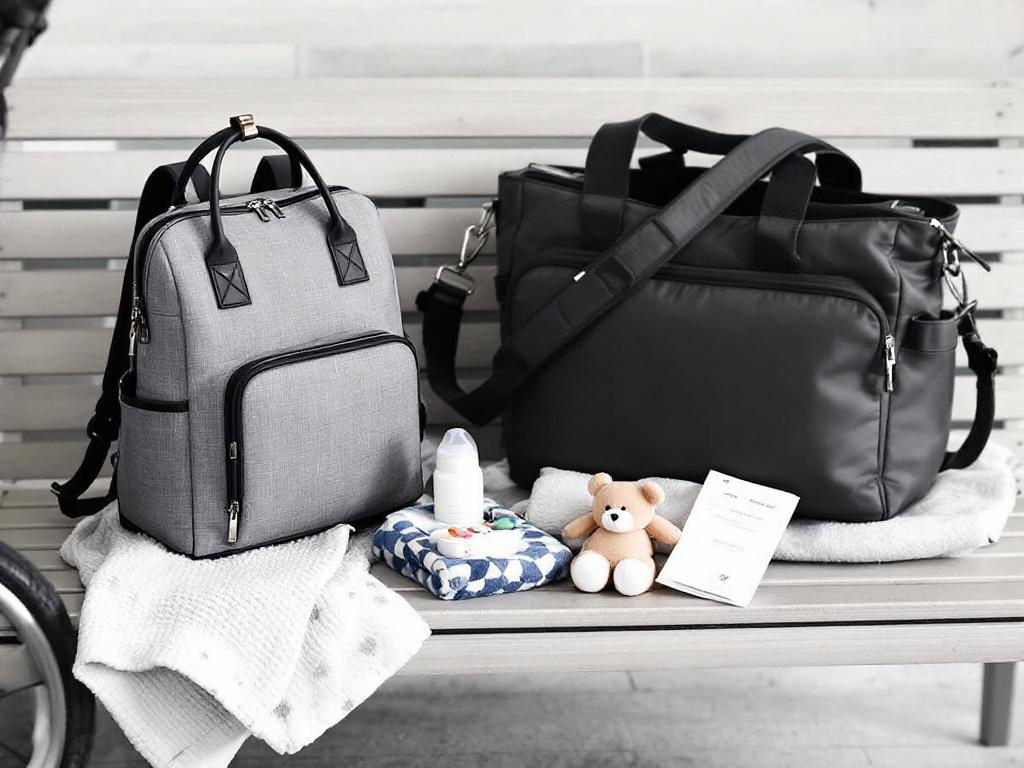
Choosing the best diaper bag starts with matching a model to your day-to-day routine rather than buying the most popular option on impulse; for hands-free commuting or long strolls a baby backpack often wins for comfort and capacity. For more specific backpack recommendations and hands-free designs, see our Best Diaper Bag Backpack 2026: Hands-Free Winners guide, which breaks down styles by use case and features. New parents will find it useful to compare real-world pros and cons before committing to a single purchase.
Decide which features you actually use: if you grab bottles and a change of clothes several times a day, prioritize insulated bottle pockets and easy-access exterior pockets; if you drive everywhere, a compact shoulder-style option might be lighter and neater. Pro tip: check customer reviews for durability and stitching issues, and prefer sellers that offer free shipping and easy returns so you can test the fit at home without risk.
Match bag type to your lifestyle
If you commute, juggle errands, or carry toddlers, choose a structured baby backpack with padded straps and an ergonomic design to distribute weight and reduce shoulder strain during long outings. For short trips or occasional babysitting, a smaller stylish diaper bag that converts to a crossbody can serve as a practical gift for parents who want form as well as function.
Consider organizational pockets and internal dividers for fast access to diapers, wipes, and a phone; modular inserts and wipe-clean linings speed up transitions and limit laundry. Models marketed toward new parents often feature a changing pad and stroller clips, but verify build quality rather than marketing claims.
Budgeting and smart trade-offs
Set a clear budget range and list must-have features to avoid overspending on cosmetic extras; spending more usually improves materials and hardware, but mid-range options often hit the sweet spot for longevity and price. If cost is tight, prioritize ergonomic design and durable zippers over decorative trims, since these elements determine real-world lifespan and comfort.
When evaluating final choices, compare warranty length, return policies, and the volume of positive customer reviews rather than relying solely on images; a well-reviewed mid-price model with a simple colorway and high-quality lining will often outperform a pricier but poorly built alternative.
Practical buying checklist
- Confirm capacity: can it hold a few outfits, two bottles, wipes, and a wallet comfortably?
- Test ergonomics: are straps padded and adjustable for different caregivers?
- Inspect organizational pockets: are they intuitive and easy to access on the go?
- Review policies: choose sellers with free shipping, reasonable returns, and clear warranties.
Organizational features that actually make parenting easier
Why organization matters for new parents
For new parents, a diaper bag that thinks ahead saves minutes and reduces stress during outings; for specific routines and first-year challenges, see our First-Year Parenting Playbook: Tips for New Parents 2026 for practical strategies that pair well with a well-organized bag. A functional baby backpack becomes an extension of your routine when pockets, insulation, and quick-access compartments match common tasks like diaper changes and bottle prep. Planning the internal layout around typical day trips means fewer scrambles and a calmer baby.
Organizational pockets should map to actions: a waterproof pocket for soiled items, insulated sleeve for bottles, and a shallow top pocket for keys and phone so you don’t unpack to find essentials. Thoughtful layout reduces cognitive load, so parents can focus on baby instead of searching for things while juggling a stroller or toddler.
Must-have organizational features
Prioritize a combination of deep main compartment and segmented pockets to hold diapers, a travel changing pad, and an extra outfit without compressing everything into one messy heap. Multiple internal dividers and labeled pockets mean bottles stay upright and wipes are reachable, creating a system that becomes second nature after two to three outings.
Include external pockets for stroller clips and quick trash, plus a hidden anti-theft pocket for wallet and phone; ergonomic design elements like padded straps keep the bag wearable when loaded and reduce shoulder strain on longer trips. These tangible features matter more than a flashy exterior when daily use is the goal.
Design that balances function and style
A stylish diaper bag need not sacrifice utility: neutral colorways such as solar grey, gunmetal, or sheer oak hide stains while remaining versatile with outfits, making a bag a practical gift for parents who want both form and function. Choose textures and finishes that resist dirt and wipe clean easily, because durability reduces replacements and long-term expense.
Pro tip: Look for models that mimic a commuter backpack silhouette, so they pass as a baby backpack on errands while offering organizational pockets tailored to childcare items; that approach blends seamlessly with everyday life and keeps the bag useful beyond infancy.
Shopping tips: compare features, reviews, and policies
When deciding on the best diaper bag, compare materials, pocket layouts, and ergonomic design across models, then validate choices against customer reviews that mention real-world wear after months of use. Pay attention to mentions of free shipping, warranty ease, and return policies since these practical policies often decide whether a purchase feels low-risk and sensible.
Finally, test whether the bag functions as advertised by packing a standard kit—diapers, wipes, one bottle, changing pad, and a sweater—and simulating a quick change; models that keep items accessible under that test usually outperform options that look good but falter in daily use.
Top picks by lifestyle and budget with short comparisons
Match by lifestyle: quick orientation
For new parents juggling commutes or public transit, a hands-free baby backpack with wide shoulder straps and an ergonomic design is usually the best diaper bag choice because it spreads weight and frees both hands for a stroller or older siblings. For those who prioritize a stylish diaper bag that doubles as a tote for errands and work, look for clean lines, neutral colors, and a structured interior with organizational pockets that keep bottles and wipes separated from electronics. For travel-focused caregivers, pick a model with an insulated compartment, stroller straps, and a wipe-clean base so long days away from home stay manageable; for more on overall picks by style and budget see our Meilleur sac à langer 2026: nos choix par style et budget.
Budget tiers with short comparisons
- Affordable: Simple baby backpack designs offer essential organizational pockets and durable fabric at low cost, making them a practical gift for parents; expect fewer extras like insulated pockets or changing pads.
- Mid-range: These models balance functional design and style, adding ergonomic features and better hardware; customer reviews often praise the build and convenient baby accessories included.
- Premium: Premium options provide superior materials, refined aesthetics, and warranty support, and often ship with free shipping and faster customer service response for returns or exchanges.
Decision tips and safety note
Compare weight when empty, pocket layout, and strap padding side-by-side to decide which model suits daily routines; try loading typical items at home to test comfort for 10–30 minutes, since prolonged carrying matters for posture. Pro tip: check ergonomics guidance—long-term strain from heavy bags is documented by occupational health authorities—see the NIOSH ergonomics guidance for safe lifting and carrying practices. Finally, read recent customer reviews to confirm real-world performance and verify return policy and warranty before purchase so a model matches your lifestyle and budget expectations.
Materials, care instructions, and certifications explained
Why materials matter for new parents
Choosing the right materials affects durability, stain resistance, and how comfortable a baby backpack feels on long outings, so prioritize textiles built for frequent use and easy cleaning. Functional design often pairs with high-denier nylon or coated canvas that resists spills while keeping a stylish diaper bag aesthetic, which helps when selecting a model as a gift for parents. Look for reinforced stitching and water-resistant finishes on straps to ensure ergonomic design holds up when carrying bottles, diapers, or heavier baby accessories.
Products that include foam-lined changing pads or insulated bottle pockets use closed-cell or PU-coated foam for thermal control and quick wipeability, which is preferable to absorptive fillings that trap odor. Organizational pockets should be sewn with durable linings and bar-tacked at stress points; this small construction detail predicts long-term wear better than surface appearance alone and is reflected in customer reviews focused on longevity.
Care and cleaning: practical step-by-step
Always follow the product care label, but general best practice is spot-cleaning with mild detergent and warm water for surface soils, then air-drying out of direct sunlight to prevent coating breakdown. For deeper cleans, remove any foam inserts and hand-wash linings or use a gentle machine cycle in a mesh bag, then reshape and allow 24–48 hours to dry completely before reuse, which prevents mildew and zipper damage.
For stains from oils or formula, pre-treat with a diluted enzyme cleaner and gently agitate with a soft brush before rinsing; avoid bleach or high-heat drying since these can degrade waterproof coatings and DWR treatments. Pro tip: Test cleaners on an inconspicuous corner first and document results, as this practice reduces surprises and is commonly recommended in product care guides.
Certifications and safety labels to look for
Certifications such as Oeko-Tex Standard 100, GOTS for organic textiles, and CPSIA compliance for child-contact components signal independent testing for harmful substances and construction safety, making them useful filters when comparing models. If a changing pad contains foam, check for CertiPUR-US or equivalent foam testing to confirm low VOC emissions and safe material content, which some manufacturers disclose in spec sheets and customer reviews.
Also consider environmental certifications like Bluesign or PFC-free DWR treatments when sustainability matters, but weigh these against performance—water repellency varies and some eco-friendly finishes require gentler care routines. For further reading on first-year gear choices and practical parenting tips, see this First-Year Parenting Playbook.
Making a decision: matching materials to your routine
If you commute frequently, prioritize abrasion-resistant textiles and easy-access organizational pockets that stand up to daily friction and frequent opening; for weekend hikers, choose lighter-weight shells with secure closures and ergonomic design to distribute load. New parents who prefer a polished look should seek coated fabrics that mimic leather but clean with a damp cloth, while those focused on minimalism may choose organic-lined interiors that require more attentive cleaning but reduce chemical exposure.
Finally, factor in shipping and return policies—models sold with free shipping and transparent warranties allow low-risk trials, and reading recent customer reviews reveals real-world performance after 2–3 months of use, which is often the best predictor of long-term satisfaction when selecting the best diaper bag for your lifestyle.
Buying smart warranties returns and real parent experiences
Understanding warranties and return policies
Choosing the best diaper bag starts with reading the fine print on warranties and return policies, a step many new parents skip when excited about a sleek baby backpack purchase. For practical first-year tips tied to gear selection and everyday routines, see our First-Year Parenting Playbook: Tips for New Parents 2026, which explains timing and priorities for new parents buying baby gear. Policies vary: typical coverage addresses manufacturing defects like broken zippers or seam failure, while stains and regular wear are often excluded.
Look specifically for return windows, warranty length (one year versus lifetime), and whether the manufacturer covers return shipping or offers free shipping promotions for exchanges. Be cautious of listings that advertise long warranties but require proof-of-purchase registration within days of delivery; registering online and saving receipts immediately removes a common barrier to successful claims.
How to file a return or warranty claim — step-by-step
Follow a clear process to improve outcomes: inspect the bag upon arrival, photograph defects, and retain packaging and tags for at least 30 days after delivery. Contact customer service with order number and images, request an RMA if required, and ask whether the company offers repair, replacement, or refund options as part of the warranty coverage.
- Document: photos, date received, description of issue.
- Register: complete any online product registration within the stated window.
- Request: ask for an RMA and clarify if return shipping is pre-paid.
- Follow up: keep records of emails and customer reviews for leverage if needed.
Real parent experiences and lessons learned
Parents often report that ergonomic design and organizational pockets make the biggest daily difference, noting that a functional design with insulated bottle pockets and dedicated changing-mat sleeves cuts transit stress. Several reviewers who treated the bag like a gift for parents mention preferring models with a stylish diaper bag look that still offer convenient baby accessories pockets; those real-world customer reviews highlight durability issues more often than aesthetics.
Pro tip: Photograph defects immediately and keep a short log of communications; this simple habit resolved a warranty claim in under two weeks for many caregivers. Ultimately, prioritize bags whose return process is straightforward and whose policies are transparent, because smooth after-sale support often separates a satisfying purchase from a frustrating one.
After weighing how you use a bag, the features that save time, material care, and real-world feedback, you should arrive at a practical shortlist. Focus on pockets that match your routines, fabrics that tolerate the messes you expect, and return policies that protect a purchase. For hands-free daily runs, budget-friendly backpacks like those from Skip Hop perform well; for longer wear, premium models with certified materials justify the investment. Treat this decision as a small, high-impact upgrade to daily life rather than just another baby purchase.
Next steps: list your non-negotiables, test a top pick in-store or read hands-on reviews, and confirm cleaning instructions and warranty terms before buying. Try carrying a loaded bag for an afternoon to check comfort and access; reassess after a week of real use. Make a choice that saves time and reduces stress—your future, less-fragmented days start with it.
Frequently asked questions about best diaper bag
What size diaper bag should I choose?
Choose a size based on outing length: small for quick trips, medium for half-day outings, and large for travel. <strong>Prioritize internal layout</strong> over sheer volume to avoid wasted space.
Are backpacks better than totes for parents?
Backpacks free your hands and distribute weight evenly, making them ideal for active parents. <em>Totes</em> can be quicker to access but may strain one shoulder when fully loaded.
What materials are easiest to clean and safest?
Water-resistant nylon or coated canvas wipes clean best and resist stains. Look for <strong>non-toxic coatings</strong> and manufacturer cleaning instructions to preserve coatings and certifications.
Do I need insulated pockets for bottles?
Insulated pockets help keep milk or formula at temperature for short periods and are useful for warm climates. If you bottle-feed often, this feature is a practical convenience rather than a must-have.
How can I re-use a diaper bag after the baby phase?
Many bags become everyday work or gym bags once kids are older; choose neutral styling and durable materials to extend usefulness. Remove specialized inserts to maximize space and function.
What should I check in warranties and return policies?
Confirm repair coverage, realistic return windows, and whether wear-and-tear is excluded. Keep receipts and register the product when possible to simplify claims.