



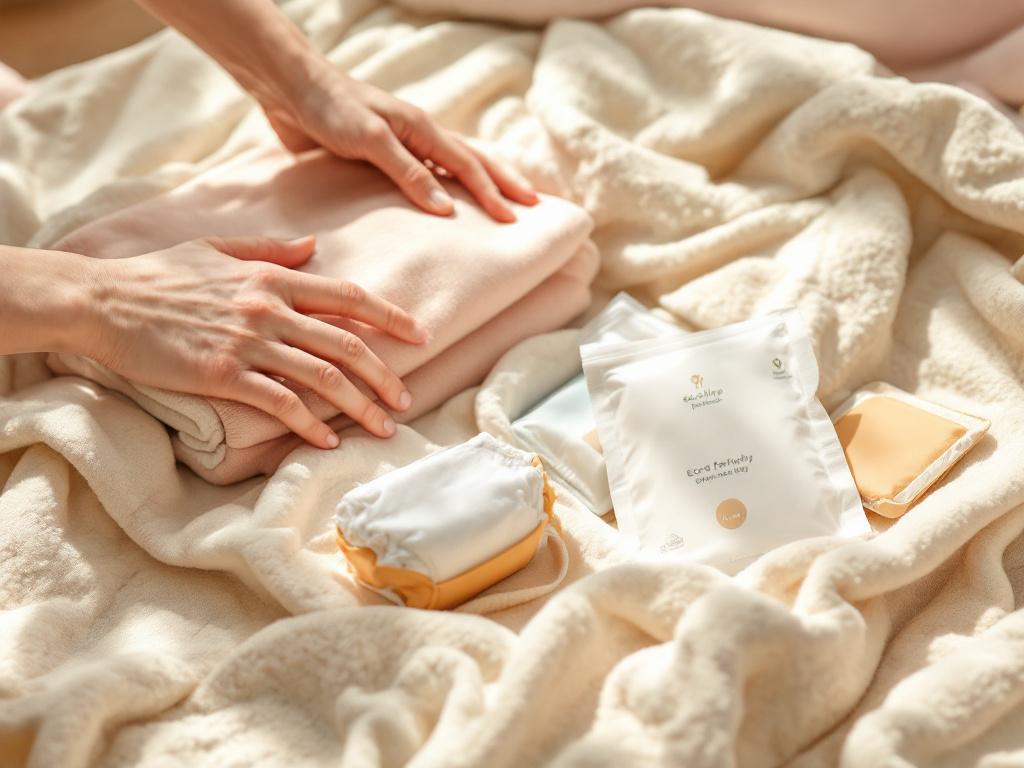
Choosing the right diaper for your little one can feel overwhelming, especially when dealing with sensitive skin. Many newborns experience irritation, and finding a gentle option can make all the difference in keeping them comfortable and happy.
This article dives into the best diapers tailored for delicate skin, comparing hypoallergenic disposables, along with cloth and eco-friendly alternatives. We’ll also provide practical tips and strategies for diaper rash prevention and treatment, ensuring your baby feels great and stays healthy.
You’ll discover essential insights on what irritates sensitive skin, our comprehensive evaluation process, and top recommendations for your baby’s needs. With this knowledge, you’ll be well-equipped to make an informed choice.
How we evaluate diapers for sensitive skin
We assess absorption, breathability, irritant-free materials, and comfort after extensive wear testing.
What makes diapers irritate sensitive skin
When it comes to babies with sensitive skin, choosing the right diaper is crucial to avoid irritation and diaper rash. Various factors contribute to skin sensitivity, including materials used, chemical additives, and the overall fit of the diaper. Parents often find that mainstream disposable diaper brands might use synthetic fibers or harsh ingredients that can exacerbate skin issues. This can lead to discomfort and rashes that are not only painful for the baby but can also create stress for parents.
The most common irritants found in some diapers include fragrances, dyes, and preservatives that serve simply to enhance the product’s odor or appearance. For sensitive skin, opting for fragrance-free and hypoallergenic diapers can significantly minimize the risk of irritation. Many parents swear by the benefits of using diapers made with organic fibers or those that are free from chlorine and latex. Natural materials can provide a gentler touch against delicate skin, as they are less likely to trigger allergic reactions.
In addition, the fit of a diaper plays a significant role in preventing skin problems. A poorly fitting diaper can trap moisture and create friction, leading to rashes. Therefore, looking for options that offer a snug yet breathable fit is essential. Some manufacturers have even developed diaper lines specifically designed to promote airflow while maintaining absorbency, which can help in reducing skin irritation.
Ultimately, selecting the best diapers for sensitive skin involves understanding your child’s unique needs. The careful search for suitable options often leads parents to reputable guides and parenting forums where experiences and recommendations are shared. For more insights, be sure to check out our Best Diapers for Newborn 2026: Pediatrician‑Vetted Picks.
Hypoallergenic disposable diapers compared
Choosing the best diapers for sensitive skin can be a daunting task, especially with numerous disposable diaper brands claiming to be hypoallergenic. To narrow down options, parents must focus on key characteristics that differentiate these products. Many manufacturers offer fabrics that are free from harmful chemicals and fragrances, making them a preferred choice for babies with delicate skin.
Some notable hypoallergenic disposable diapers prioritize natural materials while avoiding allergenic dyes and preservatives. For example, options designed specifically for sensitive skin often utilize soft, breathable fabrics that enhance comfort and minimize the risk of diaper rash. Additionally, these diapers typically feature moisture-wicking technology to keep the baby’s skin dry and less prone to irritation. Other brands have invested in biodegradable components, appealing to environmentally conscious parents.
In comparing the available choices, here are several factors to consider:
- Absorbency: Effective absorbency is crucial to prevent leaks and rashes. Look for diapers with multi-layered designs that lock moisture away from the skin.
- Fit and flexibility: A good fit can reduce chafing and discomfort. Options with adjustable tabs or stretchy side panels can provide a snug yet comfortable fit.
- Fragrance-Free: Those specifically labeled as fragrance-free will be gentler on sensitive skin. Always check ingredient lists for potential irritants.
- Skin-soothing Properties: Some brands incorporate aloe or other soothing agents in their design to promote skin health.
By focusing on these characteristics, parents can make more informed decisions. To further aid in selection, see our guide to best diapers for newborn 2026: pediatrician-vetted picks that highlight top choices suitable for even the most sensitive skin.
Cloth and sustainable options for sensitive skin
When it comes to finding the best diapers for sensitive skin, parents often face a daunting task. With a variety of options available, it’s essential to understand the key features that cater specifically to the needs of little ones with delicate skin. The choice between disposable and cloth diapers can be particularly challenging. Many parents are increasingly leaning towards sustainable solutions that minimize skin irritation and are friendly to the environment.
Cloth diapers, such as those offered by Esembly, are designed to be breathable and reusable, reducing waste significantly compared to traditional disposable models. These diapers are typically made from organic materials, free from harsh chemicals, making them an excellent choice for babies prone to rashes. On the other hand, modern disposable diaper brands have also stepped up their game. Many manufacturers now provide hypoallergenic options devoid of perfumes and dyes, which are critical for sensitive skin.
For instance, some brands prioritize fragrance-free and chlorine-free materials while incorporating advanced absorbent technology. This combination helps keep moisture away from the skin, reducing irritation. In forums dedicated to parenting discussions, parents suggest various options based on their experiences, often sharing how certain products have improved their child’s comfort.
Moreover, comparing prices can lead to more affordable choices, balancing budget considerations with quality needs. When exploring these products, understand that not all hypoallergenic diapers are created equal. It’s beneficial to read through user reviews and testing reports before making a decision. For a comprehensive list of recommended hypoallergenic brands, see our guide to meilleures couches peau sensible 2026 : options hypoallergéniques. Embracing eco-friendly diapering options can pave the way for healthier yet sustainable parenting practices.
In summary, careful consideration of materials, user feedback, and expert recommendations can dramatically ease the journey to find the best diapers for babies with sensitive skin.
How we tested and a practical buying guide
To determine the best diapers for sensitive skin, we conducted thorough testing that involved examining multiple factors such as absorbency, material softness, breathability, and overall comfort. Our approach included feedback from a diverse range of parents, utilizing parenting forums and insights from expert reviews to gauge how different options performed in real-world scenarios. Diapers were assessed on their ability to prevent and reduce diaper rash, an essential factor for infants with sensitive skin.
During testing, we evaluated various models, focusing on hypoallergenic and fragrance-free diapers, as these features are critical for minimizing irritation. We compared popular solutions from various manufacturers, noting that those using organic materials and minimal additives tended to score higher on comfort. Diapers with moisture-wicking technology also significantly reduced skin contact with wetness, thereby enhancing comfort for sensitive infants.
- Comfort: Soft materials help reduce friction against sensitive skin.
- Absorbency: Effective moisture management prevents diaper rash.
- Breathability: Allows airflow, reducing irritation.
- Materials: Look for options made from organic or natural fibers.
For practical buying, consider your infant’s specific needs. If diaper rash is a concern, products that have been independently tested for safety and gentleness are preferable. Furthermore, familiarize yourself with sizing, ensuring that you choose the right fit for your baby. For more comprehensive parenting advice, you can check out our Newborn Care Tips 2026: Pediatrician-Reviewed Complete Guide, which offers detailed insights into baby skincare and diapering strategies.
Diaper rash prevention and treatment strategies
Choosing the best diapers for sensitive skin is crucial for preventing diaper rash. Understanding how various materials affect skin is the first step in providing your baby with comfort. Many parents opt for hypoallergenic disposable diapers or fragrance-free options, which significantly reduce the risk of irritation. Additionally, looking for products that offer high absorbency and breathability can further promote skin health. For effective choices, it’s beneficial to consider options from reputable manufacturers that prioritize baby skincare.
When searching for the right diaper, testing different brands is often necessary. Some well-reviewed options include ultra-soft materials that don’t contain harsh chemicals, dyes, or perfumes which can trigger reactions. For instance, diapers designed for sensitive skin often have natural fibers and are dermatologically tested, reducing the struggle against rashes. Engaging with parenting forums and community discussions can also provide valuable insights into different brands’ effectiveness.
It’s essential to combine the right diaper choice with effective diapering strategies. Changing diapers frequently is vital—aim for every two to three hours or whenever the diaper is wet. Applying barrier creams can provide additional protection against moisture. Parents should ensure the area is clean and dry before putting on a fresh diaper. In the event of a rash, it’s best to switch to a fragrance-free diaper until the irritation subsides. Lastly, for a comprehensive approach to choosing diapers, refer to the Best Diapers for Newborn 2026: Pediatrician‑Vetted Picks guide, which can help you discover suitable options tailored to your baby’s needs.
In summary, selecting the right product for sensitive skin can significantly reduce irritation and discomfort. Exploring hypoallergenic disposable, cloth, or eco-friendly options can help you find the perfect match for your child’s needs. Features like natural materials and soft linings in brands such as Bambo Nature or Honest Company demonstrate how quality can align with comfort.
To further protect your little one from diaper rash, always incorporate preventive measures like frequent changes and gentle cleansers. Based on our testing, focus on products that not only prioritize skin safety but also provide absorbency and fit. The key is to find a product that seamlessly fits into your lifestyle and meets your child’s unique requirements.
Start testing out a few selected diapers today to see which works best for your baby. Remember, comfort and care go hand in hand—your choice impacts your child’s well-being positively. Embrace the journey to finding the best fit with joy and dedication.
Frequently Asked Questions about Best Diapers for Sensitive Skin
What ingredients should I avoid in diapers for sensitive skin?
<strong>Avoid:</strong> Fragrances, latex, and harsh chemicals like chlorine. Look for natural or organic materials.
How often should I change my baby's diaper to prevent irritation?
It's best to change diapers promptly after each use, typically every 2-3 hours for infants, to reduce moisture and irritation.
What are the signs of diaper rash on sensitive skin?
Signs include redness, swelling, and small bumps around the diaper area. Affected skin may look shiny or feel warm.
Are cloth diapers better for sensitive skin?
Many find cloth diapers beneficial as they are often made from natural fibers and are free from synthetic chemicals. However, proper washing is essential.
Can I use diaper creams with all types of diapers?
While many diaper creams are compatible with disposable diapers, ensure that they do not contain ingredients that might clog cloth diapers.
Should I choose breathable or ultra-absorbent diapers?
Look for a balance. Breathable materials reduce moisture, while good absorbency prevents leaks. Many brands feature options that combine both.
What is the best way to treat diaper rash?
Keep the area clean and dry, apply a gentle cream to soothe irritation, and allow airflow to the skin when possible.