


When you’re a new mom, preparing for every possibility can feel overwhelming, especially when it comes to your newborn’s health. A well-equipped first aid kit is essential for addressing minor emergencies and ensuring peace of mind as you navigate parenthood.
This guide will help you understand what belongs in the best newborn first aid kit, focusing on must-have items, safety certifications, and practical tips for use. We’ll also discuss whether to buy a complete kit or individual products, making your shopping experience easier.
You’ll learn how to troubleshoot common items, compare kit options, and gain insights for smart registry decisions. Plus, we’ll include a checklist to simplify your shopping and ensure you prioritize safety in every choice.
How we evaluate newborn first aid kits
We assessed functionality, safety certifications, necessary inclusions, and user reviews to guide your purchasing decisions.
What belongs in a newborn first aid kit
A well-equipped newborn first aid kit is essential for parents, providing peace of mind and the tools necessary for minor health issues that may arise during the early months. Within this kit, several fundamental items should be included to ensure comprehensive care and swift responses to common situations. This guide will outline these essentials, so you’ll feel prepared for any minor emergency.
Essential First Aid Supplies
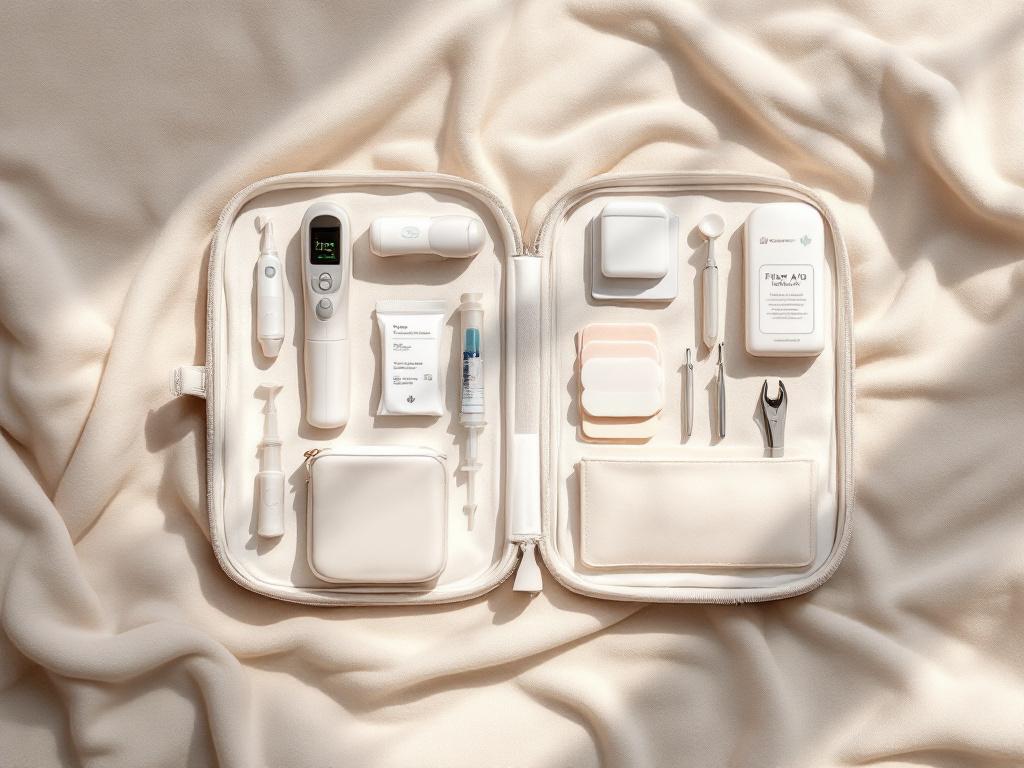
- Thermometer: An accurate digital thermometer is vital in monitoring your baby’s temperature, helping to identify fevers early on. Look for one designed specifically for infants.
- Nasal Aspirator: A nasal aspirator, ideally one that’s easy to clean, can help relieve nasal congestion in your newborn. Products like these are designed to safely clear mucus without causing discomfort.
- Gauze and Bandages: Keep sterile gauze pads and adhesive bandages in your kit for covering minor cuts and scrapes.
- Antiseptic Wipes: Gentle antiseptic wipes will help cleanse minor wounds, reducing the risk of infection.
- Infant Pain Reliever: Consult with your pediatrician about age-appropriate medications. Having a small bottle on hand can be comforting for parents, though usage should be monitored closely.
- First Aid Manual: A basic first aid manual specific to newborns can provide guidance on addressing emergencies, helping you act quickly and effectively.
Comfort Items
In addition to medical supplies, including comfort items such as soft blankets and pacifiers can also be beneficial. These can help soothe your newborn during stressful moments, providing emotional comfort alongside practical care.
Why a Dedicated Kit Matters
Having a dedicated kit allows for quick access during times of stress. When crises arise, access to first aid supplies can alleviate parental panic and ensure that help is available at your fingertips. Each item is chosen specifically for the challenges that may come with caring for an infant, supporting both safety and effectiveness.
Before you finalize your kit, consider checking out our Newborn Care Tips 2026: Pediatrician-Reviewed Complete Guide for further insights into caring for your little one.
What technical specs and safety certifications to check
When selecting the best newborn first aid kit, understanding its technical specifications and safety certifications is essential. Many products in the market claim to be suitable, but only those backed by reliable certifications ensure safety and efficacy for your baby. Start by checking for compliance with standards set by reputable organizations, such as ASTM International and the Consumer Product Safety Commission (CPSC). These certifications indicate that the first aid kit has been rigorously tested for safety and is suitable for infants.
Additionally, inspect the materials used in the kit. Ensure that all items, from ointments to bandages, are made from non-toxic and hypoallergenic materials. Ideally, the packaging should specify certifications like FDA approval for medical devices or materials that are free from harmful chemicals. When considering pre-packaged kits, like our recommended options, look for those that explicitly mention compliance with such safety standards, confirming that they are tested and safe for newborn use.
Furthermore, consider the usability features of the kit. A quality first aid kit should include clear, instructional guidelines for each item and ensure easy accessibility. Items should be organized logically and secured to prevent any accidental spillage or misplacement. Ultimately, by prioritizing kits that meet these technical specifications and safety certifications, you can rest easy knowing that you are prepared for any minor emergencies with your newborn. You can also refer to guidelines on essential items to keep in your kit through resources like the Newborn Essentials Checklist 2026: 45 Must‑Haves + Shop the List.
How to use clean and troubleshoot common items
Maintaining a well-functioning first aid kit for your newborn entails more than just having the right items; it also involves knowing how to keep them clean and troubleshoot any issues that may arise. A comprehensive first aid kit enables you to address minor injuries and common ailments effectively, making it imperative to ensure all items are properly sanitized and in working order.
When it comes to cleaning your first aid tools, the most important step is to use disinfectant wipes or a mixture of soap and warm water on external surfaces. For items such as thermometers and nasal aspirators, ensure they are thoroughly washed according to the manufacturer’s instructions. Avoid submerging electronic devices in water, as this can damage their functionality. Instead, use a damp cloth to wipe them down, and keep them in a clean, dry place after use.
Common troubleshooting tips include checking for damage, ensuring batteries are fresh, and verifying that all components are correctly assembled. For instance, if a nasal aspirator isn’t functioning, examine the rubber bulb for any cracks or blockages. Most importantly, familiarize yourself with the user guide provided with each item, as it often contains essential troubleshooting information and safety instructions.
For reference, many kits such as the Safety 1st Sneezy Weezy Kit include essential tools tailored for newborn care and are usually backed by guarantees that support their reliability. Transitioning from acquisition to effective use ensures peace of mind for parents. For a closer look at how to maintain and troubleshoot items in your kit, you can refer to resources like the Centers for Disease Control and Prevention.
Comparing kits versus buying items separately and registry tips
The Convenience of Kits
When considering the best newborn first aid kit, it’s essential to weigh the benefits of purchasing a complete kit versus sourcing individual items. Kits often include carefully curated items that new parents need, such as thermometers, nasal aspirators, and ointments, eliminating the overwhelming task of selecting each component. Moreover, many kits are designed to fit compactly, allowing for easier storage and travel, which is invaluable during those early chaotic weeks.
Individual Purchases: The Pros and Cons
On the other hand, buying items separately offers the advantage of customization. Parents can handpick brands and products that suit their specific needs and preferences. However, this approach can be time-consuming and may lead to missing essential items. Commonly overlooked supplies can include detail-oriented products like first-aid manuals or specialized thermometers.
Registry Tips for New Parents
Registry services can significantly simplify the process of stocking up on necessary items. When choosing items for a baby registry, prioritize essentials like a complete first aid kit to prepare for any health situations. Adding items that provide ease of access—such as those eligible for free & easy returns—enhances the experience when gift-givers help build your supply. For instance, recommending retailers that offer options like pickup, delivery, and flexible return policies ensures that you are organized and prepared as a new parent. For more details on newborn care tips, see our Newborn Care Tips 2026: Pediatrician-Reviewed Complete Guide.
Conclusion
Ultimately, whether you choose a kit or individual items depends on your unique circumstances. Both options have their merit, but a combination can lead to the best preparedness for welcoming your newborn.
Buying logistics reviews and safety-first decision checklist
Purchasing a newborn first aid kit involves careful consideration of several factors to ensure safety and convenience. For parents exploring the options available, understanding the logistics behind each product review is paramount. First, assess where you can buy these kits. Options like online platforms often feature reviews, shipping details, and return policies that make the buying experience smoother. In addition, local stores can provide pickup services, allowing for immediate access without the wait associated with delivery.
When reviewing products like a sneezy weezy kit, look for feedback that highlights efficacy and safety. Notably, parents often appreciate features such as easy-to-use nasal aspirators or thermometer designs that ensure correct usage. Detailed reviews can shed light on how such kits perform in real-life scenarios, which is essential for making informed decisions.
Prioritize kits that offer clear options for free and easy returns, whether by mail or in-store, with a time frame of at least 90 days. This flexibility is crucial, allowing parents to ensure the kit is suitable for their newborn’s needs. Moreover, consider manufacturers’ certifications, which should align with safety standards to reassure new parents. For a comprehensive list of must-have items in baby care, check out the Newborn Essentials Checklist 2026: 45 Must‑Haves + Shop the List.
Ultimately, a well-reviewed first aid kit facilitates peace of mind for new parents. By comparing products and seeking out trusted reviews, families are better equipped to make safe choices that protect their little ones.
As you prepare for your newborn’s arrival, assembling a first aid kit is essential. Prioritize items that cater to common needs like fever, cuts, and colds, ensuring you include tools for monitoring your baby’s health. When choosing products, consider safety certifications and usability to guarantee their effectiveness for your little one’s delicate needs.
Consider assembling your kit by comparing pre-packaged options with selecting individual items. This approach can allow for personalization according to your preferences and budget. Brands like Safety 1st and Johnson’s offer reliable pieces that balance quality and cost, ensuring you are well-equipped.
Take proactive steps by checking the expiration dates on supplies and regularly reviewing the kit for completeness. Equip yourself with knowledge on how to use each item effectively, so you’re ready in emergencies. Your child’s safety starts with preparation, so take action to assemble a complete first aid kit that meets your family’s needs.
Remember, being prepared means peace of mind. Ensure you invest time in this crucial task today.
Frequently Asked Questions about the best newborn first aid kit
What are the essential items for a newborn first aid kit?
Essential items include thermometers, antiseptic wipes, gauze pads, adhesive bandages, and a nasal aspirator. Ensure you also pack infant pain relievers and any necessary creams.
How often should I check my newborn first aid kit?
Check your kit every few months or whenever you use an item. This helps ensure that all supplies are fresh and ready for use.
Are there specific certifications or standards I should look for?
Yes, look for products that comply with safety standards, such as those certified by the American Society for Testing and Materials (ASTM) and the Consumer Product Safety Commission (CPSC).
Should I buy a pre-made first aid kit or assemble my own?
Both options have benefits. Pre-made kits are convenient, while assembling your own allows for customization based on your preferences and specific needs.
How do I use the items in the first aid kit safely?
Familiarize yourself with each product, reading labels for instructions. Keeping a first aid manual handy can also guide you in emergencies.
Can I include my own medications in a newborn first aid kit?
Only include medications that are specifically designed for infants. Always consult your pediatrician before adding any medication to the kit.
Is it necessary to include a first aid manual?
Yes, a first aid manual is a helpful resource, providing guidance on how to react in emergencies and use the items in your kit properly.
What should I do with expired items in the kit?
Remove expired items immediately and replace them with fresh supplies to ensure your first aid kit is always functional.