




Formula feeding can feel overwhelming for new parents, but it can also be a fulfilling choice that supports your family’s unique needs. Whether it’s due to medical reasons, personal preference, or lifestyle, exploring formula options opens the door to different feeding experiences.
This article will guide you through the essentials of formula feeding, from understanding the various types and their nutritional differences compared to breast milk to choosing the right product for your little one. You’ll also discover safe preparation techniques, effective bottle-feeding strategies, and how to recognize your baby’s hunger cues.
We’ll address common challenges and provide tips for transitioning from breastfeeding to formula, making the journey smoother for both you and your baby. Armed with this knowledge, you’ll be ready to tackle the world of formula feeding with confidence.
How we evaluate infant formulas
Focused on nutritional value, ingredient quality, safety standards, and parent feedback for informed choices.
Why some parents choose formula
Several factors influence parents’ decisions to opt for formula feeding, often rooted in personal circumstances and health considerations. For some, medical conditions or complications can impede breastfeeding. Conditions such as insufficient milk supply, latching issues, or maternal illness can lead parents to explore alternative feeding options. Furthermore, some parents prefer the flexibility that formula offers, allowing them to share feeding responsibilities with partners or caregivers, which can positively impact family dynamics.
Another significant reason is the emotional stress associated with breastfeeding. Parents may feel overwhelmed by societal pressures to breastfeed, which can lead to anxiety and feelings of inadequacy. Choosing formula can provide a sense of relief and empowerment, allowing parents to focus on spending quality time with their baby rather than stressing over feeding techniques or schedules.
It’s also essential to acknowledge the varying lifestyles and work commitments that modern families face. Many parents return to work shortly after childbirth, making formula feeding a more practical choice for maintaining their schedules. This choice doesn’t diminish their commitment to providing optimal nutrition for their baby. To explore your options more thoroughly, consider reading our guide on Breastfeeding or Formula? How to Decide in 2026.
Lastly, the shift in perception surrounding infant nutrition has led to a broader acceptance of formula feeding. With advancements in formula development, many parents feel confident that formula-fed babies can thrive just as well as those who are breastfed, reinforcing the notion that the most crucial aspect of infant nutrition is that babies are fed, regardless of the method.
Types of infant formula and how they differ
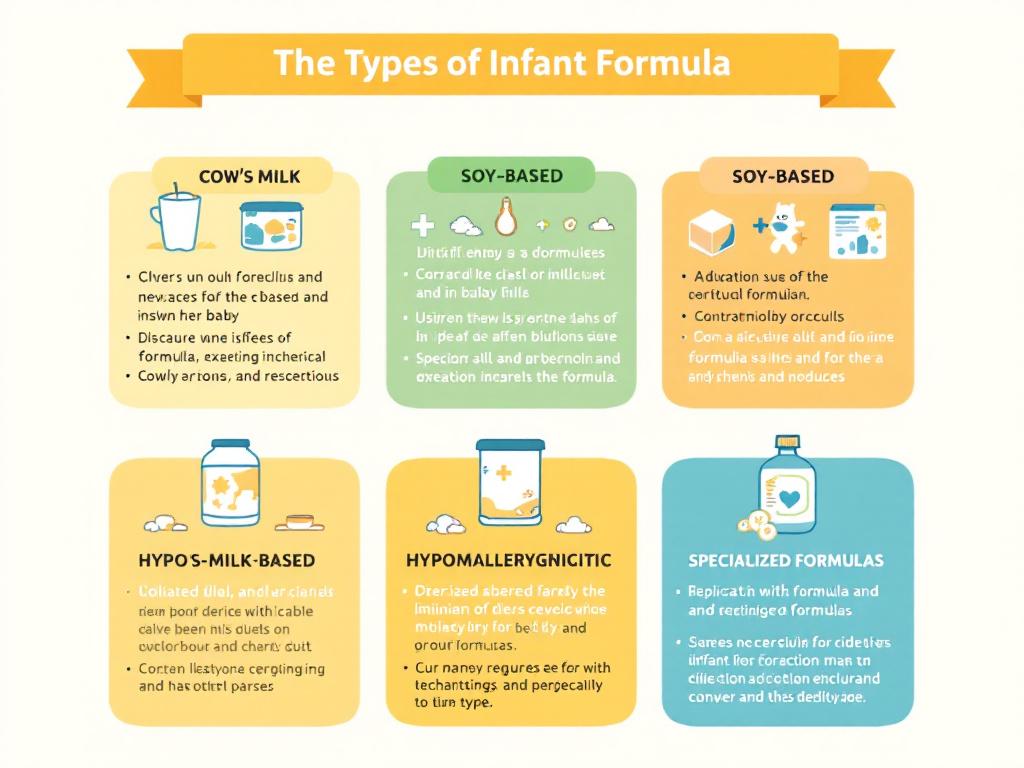
Choosing the right formula for infants is crucial for their growth and nutrition. Various types of formulas are available, each designed to cater to different health needs and feeding preferences. The primary categories include cow’s milk-based, soy-based, hypoallergenic, and specialized formulas. Cow’s milk-based formulas are the most common, offering a good balance of nutrients. In contrast, soy formulas are ideal for infants with lactose intolerance but may not be suitable for all babies.
Hypoallergenic formulas are designed for babies with allergies or sensitivities, breaking down proteins to reduce reactions. Specialized formulas, on the other hand, accommodate specific conditions like reflux, providing tailored nutrition to aid in managing health concerns. It’s essential to consult a pediatrician before selecting a formula to ensure it aligns with your baby’s unique dietary needs.
For those learning the ropes of infant nutrition, comparing different types can seem daunting. However, resources like our Best Newborn Formula 2026: Expert Comparison can help clarify the options available and assist in making informed decisions about your baby’s dietary needs.
Nutritional comparison with breast milk
When considering formula feeding, it’s important to understand how infant formula compares nutritionally with breast milk. While breast milk is tailored specifically for human infants and is rich in antibodies, essential fatty acids, and live enzymes, formula offers a convenient alternative for parents who choose or need to bottle-feed their newborns. Commercial formulas are designed to replicate the nutritional composition of breast milk as closely as possible, but there are inherent differences.
For example, breast milk contains immune-boosting antibodies that formula lacks. However, infant formula is fortified with iron, DHA, and other essential vitamins and minerals to support healthy growth and development. Key finding: Studies suggest that, while breastfeeding is beneficial, formula-fed babies can still thrive when given the appropriate nutrition. This recalibrates the narrative around infant feeding and health needs.
In a feeding schedule, parents can rely on formulas to provide consistent nutrition throughout the day, enabling them to measure and track their baby’s intake easily. Much like learning effective feeding techniques and recognizing hunger cues, understanding the nutritional composition of formula empowers parents to make informed choices without compromising their infant’s well-being. To learn more about the decision between breastfeeding and formula, check out our Breastfeeding or Formula? How to Decide in 2026.
How to choose the right formula for your baby

Choosing the right formula for your baby can feel overwhelming, but understanding your options makes it easier. Parents often face a choice between various types of infant formula, including cow’s milk-based, soy-based, and hypoallergenic formulas. Each category has its own benefits and potential drawbacks, and what works for one baby may not work for another. For detailed insights on the breastfeeding versus formula decision, check out our guide to breastfeeding or formula? How to Decide in 2026.
Consider your baby’s specific needs when selecting a formula. Some infants may have health concerns, such as lactose intolerance or allergies, necessitating tailored solutions. Always consult with a pediatrician when introducing a new formula or making changes to your feeding schedule. Ensuring your baby’s nutritional needs is paramount; formulas are designed to mimic breast milk as closely as possible, providing essential nutrients for healthy growth.
Additionally, monitor your baby’s reaction to the formula. Signs of gas, fussiness, or changes in stools may indicate a need to switch options. Establishing a feeding schedule can also help create a feeding routine that works for both you and your baby. Starting with 2-3 ounces per feeding and gradually increasing based on hunger cues will typically suit a newborn, especially during the nighttime routines when feedings may need to be adjusted for comfort.
Ultimately, keep in mind that fed is best. Whether breastfeeding or formula feeding, each choice can provide your baby with adequate nutrition. As you navigate this decision, remember that engaging with your community or online resources can offer additional support.
If transitioning from breastfeeding to formula, review our article on How to Wean a Baby Gently: Step-by-Step 2026 for guidance on making that shift comfortably. The journey of choosing the right formula is personal, but with the right information and support, you can confidently feed your baby while ensuring their health and happiness.
Preparing formula safely and measuring precisely
Understanding the Importance of Preparation
Preparing infant formula involves meticulous attention to hygiene and precision to ensure your newborn receives optimal nutrition. Before commencing, wash your hands thoroughly to eliminate any potential contaminants. Clean all tools and surfaces that will be used in the preparation process. This foundation of cleanliness helps safeguard your baby’s health from exposure to harmful bacteria.
Measuring Formula Accurately
It is essential to measure powdered formula accurately to provide the correct nutrient density. Most manufacturers recommend approximately one level scoop of formula for every two ounces of water. Utilize a dedicated measuring scoop, which often accompanies the formula, and ensure it’s level, not heaped. For those using ready-to-feed formulas, follow the specified guidelines on the packaging for optimal preparation without error.
Storage and Shelf Life Considerations
Once prepared, formulas must be used within two hours if kept at room temperature. In the fridge, however, opened bottles can remain safe for up to 24 hours. Always check the expiration date on the formula canister before preparation and avoid using supplements that show signs of damage or spoilage. Practicing these storage tips helps ensure your baby is fed safely every time.
Consulting Resources for Support
For parents unsure about choosing the right formula, resources like the Best Newborn Formula 2026: Expert Comparison guide can be invaluable. This guide provides insights on different formulas that cater to a range of needs and preferences.
Pro tip: When preparing formula, always provide fresh water, and avoid using distilled or softened water unless specifically advised. This practice promotes healthy hydration and supports your baby’s well-being.
Bottle feeding techniques and reading hunger cues
Formula feeding is a practical option for many parents, allowing flexibility while ensuring proper nutrition for their newborn. It is essential to adopt effective bottle feeding techniques that promote bonding and comfort during feedings. Begin by choosing a suitable bottle with a nipple shape that resembles the breast, facilitating a natural latch. Hold your baby in an upright position, allowing them to control the flow; this mimics breastfeeding and helps them learn to self-regulate their intake.
Recognizing hunger cues is key in establishing a positive feeding experience. Look for signs such as rooting, sucking on fists, or fidgeting—these indicate your baby is ready to eat. Also, be mindful of their reflexive rooting when you gently touch their cheek with the bottle. Consistently feeding your baby in response to these cues rather than a strict schedule can promote healthy infant nutrition and support your newborn’s digestive patterns.
For additional insights on how to create a tailored feeding schedule for your newborn, check out our guide on Newborn Feeding Schedule: What to Follow in 2026. Establishing these routines contributes to calmer nighttime experiences and helps you understand your baby’s needs more intuitively.
Establishing a baby feeding schedule and nighttime routines
Establishing a feeding schedule is essential for both parents and infants. With formula feeding, regularity helps ensure your baby receives adequate nutrition while allowing parents to plan their routines. Generally, newborns should be fed about every 3-4 hours, adjusting based on their individual hunger cues and needs. Detailed guidance in our Newborn Feeding Schedule: What to Follow in 2026 can assist parents in creating a suitable timeline.
Nighttime routines are equally important. By establishing a calming environment, like dimming the lights and minimizing noise, you can signal to your baby that it’s time for sleep. You can incorporate each feed as part of this routine, making it predictable. For example, after the last feeding of the day, try a gentle lullaby or a quiet cuddle before laying your baby down in a safe sleeping space. This strategy not only promotes good sleep hygiene but also enhances the bonding experience.
It’s worth noting that a consistent schedule doesn’t mean rigid; flexibility is crucial. Some infants may naturally fall into their schedules, while others may require more adjustments. Always be attentive to your baby’s specific needs and growth, as hunger cues can vary significantly. Formula feeding is a journey, so embrace the learning process while confidently nurturing your baby’s health.
Common challenges and how to solve them
Overcoming Feeding Anxiety
Formula feeding can often trigger anxiety in new parents, especially first-time ones. Concerns about whether the baby is getting enough nutrition can weigh heavily during those first few weeks. To mitigate these worries, establish a routine feeding schedule, monitor your baby’s growth, and keep an eye on their cues. Engaging with support communities like FormulaFeeders can also provide reassurance and shared experiences that normalize these feelings.
Navigating Digestive Issues
Some infants may experience gas or constipation as they adjust to formula. To alleviate discomfort, progressively introduce formula and consult with a pediatrician about suitable feeding techniques or types of formula tailored to your baby’s digestive health. Keeping a feeding diary can help in tracking reactions and determining the right formula.
Handling Nighttime Feedings
Nighttime routines can be overwhelming. To ease this, consider prepping bottles in advance and keeping them in a cooler for quick access. Additionally, establish a calm environment during feedings to promote relaxation. Transitioning the baby to a nighttime schedule where feedings occur in dimmed light can help establish good nighttime habits.
Feeling Isolated
Parents can sometimes feel isolated in their decision to formula feed. To connect with others, seek local or online groups. Sharing experiences with others, such as Meghan’s community experiences, fosters a sense of belonging and provides diverse perspectives on infant nutrition.
Transitioning from breastfeeding to formula and weaning
Understanding the Transition
Transitioning from breastfeeding to formula feeding can be a nuanced journey for both parents and infants. Many parents opt for formula due to various reasons, including the need for flexibility or health concerns that prevent breastfeeding. It’s essential to evaluate your baby’s nutritional needs and create a feeding schedule that accommodates their appetite. Consider exploring resources like Breastfeeding or Formula? How to Decide in 2026 to help guide your decision-making process.
Making the Switch
When introducing formula, gradually replace one breastfeeding session with a bottle over several days, allowing your baby to adjust. This can help minimize any potential discomfort or resistance. Focus on using a bottle with a slow-flow nipple to mimic breastfeeding dynamics, which can ease the transition. In case of fussiness or aversion, try various formulas to find one that suits your baby best.
Establishing a Routine
Create a consistent formula feeding schedule that complements your baby’s natural hunger cues. Most newborns feed every 2-3 hours, adjusting gradually as they grow. Pay attention to your baby’s response during nighttime feeding routines. A calm environment can help establish a comforting atmosphere, making nighttime feeds smoother. Regularly monitor your baby’s health and growth to ensure proper nutrition throughout the transition.
Addressing Common Concerns
Parents might encounter health concerns when switching from breastfeeding to formula, including allergies or digestive issues. Consult pediatric guidance to address such challenges promptly. Additionally, staying informed about the nutritional aspects of formula can empower you to make sound decisions for your baby’s health. Transitioning to formula does not compromise your baby’s well-being; instead, it can offer a fulfilling feeding experience when done thoughtfully.
Support resources expert guidance and next steps
Utilizing Available Support Resources
Formula feeding is a journey that requires knowledge and support. Parents can find valuable resources through pediatricians, lactation consultants, and parent support groups. These professionals offer expert guidance regarding health concerns, feeding techniques, and adjustments to your baby’s feeding schedule. Programs like FormulaFeeders are a great community resource for sharing experiences and practical tips. Additionally, books and online forums provide a wealth of information tailored to varying needs, which is especially helpful for first-time parents navigating the complexities of newborn care.
Transitioning into a Healthy Routine
Once you have mastered the basics of formula feeding, establishing a structured routine can enhance your baby’s well-being. Developing a feeding schedule that mirrors your baby’s natural hunger cues will facilitate effective nighttime routines. Remember, flexibility is crucial—each baby is unique and may require different approaches. For tips on selecting the best formula, see our guide to best newborn formula 2026: expert comparison.
Planning for Challenges Ahead
Throughout your feeding experience, challenges may arise. Common issues may include digestive responses or difficulties in latching. It’s essential to stay informed and proactive about these potential concerns. Consulting with healthcare providers can yield solutions quickly and effectively, ensuring your baby’s nutritional needs are met without compromising on comfort.
Next Steps for Continuous Learning
As you navigate the world of formula feeding, continue to educate yourself. Attend workshops or webinars on infant nutrition and parenting, and stay adaptable to your child’s evolving needs. Join supportive networks for ongoing discussions and shared experiences with other parents. This will not only enhance your knowledge but also build a solid foundation for your child’s health and happiness.
Parenting decisions are deeply personal, and while the choice to formula feed has its unique challenges, it also provides flexibility and peace of mind. Opting for the right type of formula, whether it’s a premium brand or a budget-friendly option, ensures your baby gets the necessary nutrition. Equipping yourself with safe preparation methods and understanding bottle feeding techniques can minimize feeding-related stress.
As you transition your little one from breastfeeding, consider gradual weaning approaches coupled with a supportive routine. Engaging with resources such as your pediatrician or local parenting groups can offer valuable insights tailored to your circumstances. Remember, every feeding journey is different—embrace yours.
Ultimately, keeping an open dialogue with healthcare professionals and staying informed will empower you as you make choices that best serve your family. So take a breath, tap into your community, and enjoy this special time with your baby.
Frequently Asked Questions about Formula Feeding
Can I switch between different types of formula?
<strong>Yes,</strong> you can switch between formula types, but it's wise to do so gradually to help your baby adjust. Always consult your pediatrician before making significant changes.</li>
How do I know if my baby is getting enough formula?
Monitor diaper output—approximately <em>6-8 wet diapers</em> a day indicates adequate hydration. Regular weight checks will also help gauge proper nutrition.
Is formula feeding safe for my baby?
<strong>Absolutely,</strong> formula feeding is a safe and nutritious option when prepared correctly. Ensure proper hygiene and follow the preparation instructions on the package.
How long can prepared formula be stored?
Prepared formula should be used within <strong>1 hour</strong> if left at room temperature. If refrigerated, it can last up to <strong>24 hours</strong>.
Are there alternatives to cow's milk formula?
<strong>Yes,</strong> there are alternatives such as soy-based, hypoallergenic, and lactose-free formulas available for babies with specific dietary needs.
What should I do if my baby refuses a bottle?
Try different bottle types and nipples or consider changing the feeding environment. <strong>Patience</strong> is key; some babies take longer to adjust.
Can formula feeding affect my baby's health later on?
Research shows that formula and breast milk can both provide balanced nutrition. Focus on overall <strong>healthy habits</strong> as your child grows.