


As a new mom, preparing for any situation with your newborn can feel overwhelming, but a well-packed first aid kit simplifies that worry. Having the right items on hand ensures you’re ready to respond to common issues and emergencies.
This article offers a comprehensive guide on what to include in your newborn first aid kit, why each item is essential, and how to use them safely. We’ll also discuss medication dosing, storage, and expiration rules, so you can be confident in your preparations.
You’ll learn how to maintain your kit, choose the best one for travel, and recognize when to seek help. By the end, you’ll feel empowered to care for your little one with reassurance and ease.
How we evaluate newborn first aid kits
Contents assessed for safety, usability, and relevance to newborn care, as well as expert recommendations for essential items.
Essential kit contents and why each item matters
As a new parent, having a well-prepared newborn first aid kit is crucial for ensuring your infant’s safety and well-being. This compact collection of essential items not only aids in responding to minor injuries and common ailments but also offers peace of mind during those unpredictable early months. Understanding the key components of your first aid kit can help you appreciate their significance and ensure you’re ready for any situation.
Vital Components of Your Newborn First Aid Kit
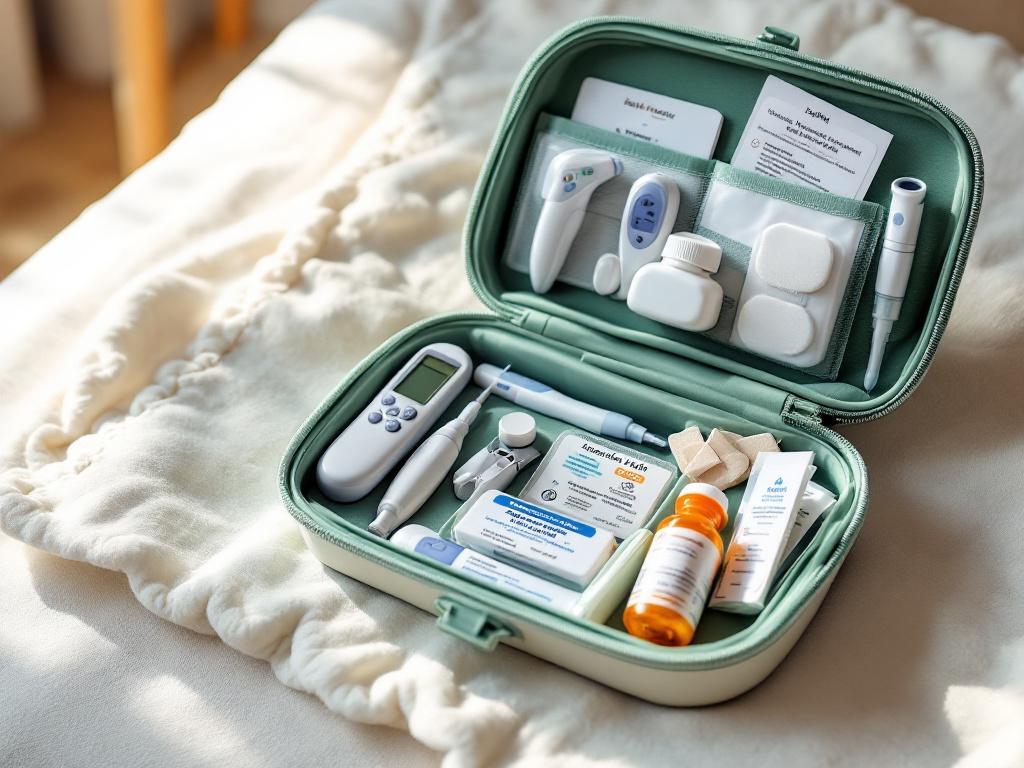
Your newborn first aid kit should contain a variety of tools and supplies, each designed to address the unique challenges of caring for an infant. Below are some essential items and the reasons why they are important:
- Nasal Aspirator: This tool is crucial for relieving nasal congestion, a common issue for newborns. A bulb syringe or a saline nasal aspirator helps clear mucus safely, ensuring your baby can breathe comfortably.
- Thermometer: An accurate thermometer is essential for monitoring your infant’s temperature, especially during illness. Digital thermometers provide quick and reliable readings, helping you assess fever accurately.
- Nail Clippers: Infant nail clippers ensure safe trimming to prevent scratching and potential skin injuries. Keeping nails short is vital for preventing accidental cuts and reducing the risk of infection.
- Bandages and Gauze: These supplies are necessary for minor cuts and scrapes. Having sterile bandages on hand can help protect injuries from infection, keeping your infant safe as they explore their world.
- Baby-safe Medication: Over-the-counter medications, like infant acetaminophen, can be invaluable in managing minor fevers or discomfort. It’s crucial to know proper dosages and storage conditions for safety.
Additional items, such as antiseptic wipes and a travel baby kit, can further enhance your preparedness. Regularly check your kit to replace any expired medications and ensure that you’re always equipped with the supplies you need. For more details on newborn essentials checklist, see our guide to newborn essentials checklist 2026: 45 must‑haves + shop the list.
Why Preparation Matters
Being prepared is about more than just having the right items; it’s a proactive approach to parenting. Having a dedicated newborn first aid kit readily accessible can significantly decrease panic during emergencies. This readiness allows you to focus on what truly matters—caring for your little one. Furthermore, understanding how to use each item effectively is just as crucial. As you learn more about infant safety and first aid techniques, your confidence will grow, equipping you to handle various situations with ease.
In conclusion, compiling a thoughtfully organized first aid kit for your newborn is a vital step for every parent. The combination of essential supplies and your knowledge will prepare you to tackle common infant health challenges and provide comfort to your baby when they need you the most.
How to use the key tools safely with step-by-step tips
Equipping yourself with a newborn first aid kit not only enhances safety but also prepares you to respond effectively to common infant ailments. The key tools within this essential kit—like thermometers, nasal aspirators, and nail clippers—can be incredibly beneficial if used correctly. Here are step-by-step tips for safely utilizing these tools.
Using the Thermometer
To monitor your infant’s health, an infant thermometer is indispensable. Start by selecting a suitable type, such as a digital rectal thermometer, known for its accuracy. Ensure you have lubricant on hand to reduce discomfort. For safe usage, insert the thermometer gently, about half an inch into the rectum, while holding the base securely. After a few seconds, the thermometer will beep, giving you a precise reading. Remember, if your baby’s temperature exceeds 100.4°F, consult your pediatrician.
Employing the Nasal Aspirator
Congestion can be distressing for infants, and a nasal aspirator helps to alleviate this discomfort. Begin by using saline drops to moisten the nasal passages. After a minute, gently place the aspirator’s tip into one nostril while sealing the other with your finger. Squeeze the bulb to create suction, drawing out any mucus. Repeat as necessary but limit usage to avoid irritation. For detailed tips and care for newborns, see our Newborn Care Tips 2026: Pediatrician-Reviewed Complete Guide.
Trimming Nails Safely
Keeping your infant’s nails trimmed is crucial to prevent scratches. Use baby-specific nail clippers, designed for smaller hands. Position your baby comfortably in your lap and hold their hand firmly but gently. Clip the nails straight across, avoiding the curved shape to reduce the risk of ingrown nails. Always keep a watchful eye during this process to prevent accidents.
Emergency Preparedness
In case of emergencies, having these tools at your disposal can save precious moments. Always familiarize yourself with their use, and practice as necessary. Regularly check your kit to ensure all items are intact and ready for action. Knowing how to utilize each tool safely prepares you to act decisively and confidently.
Medications dosing, storage, and expiration rules
As a parent or caregiver, understanding the proper dosing, storage, and expiration of medications included in your newborn first aid kit can significantly enhance your child’s safety and wellbeing. Infants require precise dosing due to their small body size and developing systems, so always follow the guidance of a healthcare professional or the specific recommendations on the packaging.
For commonly used medications like infant acetaminophen or ibuprofen, you will typically find dosage guidelines based on the infant’s weight. For accurate measurements, utilize a proper dosing syringe or dropper and avoid using household spoons, which can lead to incorrect dosages. Always double-check the appropriate dosages before administering any medication to ensure safety.
Storage Guidelines
It’s crucial to store medications in a cool, dry place, away from direct sunlight, and out of reach of children. A locked or high cabinet is ideal. Many medications can become ineffective if exposed to heat or moisture, potentially harming your baby. Make it a habit to check your travel baby kit regularly to ensure all medications are correctly stored and easily accessible in emergencies.
Expiration Rules
Every medication comes with an expiration date, which should never be overlooked. Regularly inspect your baby first aid supplies, discarding any items that have surpassed their expiration. Old medications can lose potency, making them ineffective when needed the most. According to the FDA, it’s advisable to keep a checklist of all medications and their expiration dates to ensure timely replacements.
Additionally, consider including a few grooming tools, such as nail clippers and a thermometer, in your kit, but ensure these tools are also maintained carefully. Keeping your infant safe and healthy is the ultimate goal, and understanding medication management is a crucial aspect of that responsibility.
Packing, maintenance, and choosing the right kit for travel and registry
As parents prepare for the arrival of their newborn, packing a well-thought-out first aid and grooming kit becomes essential. Having a comprehensive kit not only ensures the readiness to address minor health issues but also provides peace of mind. When assembling your newborn first aid kit, it’s crucial to include a thermometer for monitoring fevers, a bulb syringe or nasal aspirator for clearing nasal congestion, and age-appropriate nail clippers to keep tiny nails safely trimmed.
Maintenance of the kit is just as important as its initial assembly. Parents should regularly check the kit to replace any expired medications or items, and ensure that it’s stored in a cool, dry place. Additionally, consider creating a compact travel baby kit that can easily be transported during outings. This kit can include a smaller selection of items from your main kit, making it practical and accessible for emergencies outside the home.
When selecting items for your baby registry, consider the newborn essentials to prioritize safety and convenience. A combination of first-aid and grooming tools, such as gauze, antiseptic wipes, and a digital thermometer, ensures readiness for common infant health concerns. By fully equipping your kit with thoughtfully chosen items, you prepare not just for minor emergencies, but also foster confidence in your ability to care for your newborn.
When to act emergency steps and where to get help
Emergency situations can arise unexpectedly, especially with newborns. Being prepared means knowing when to take action and where to find help. For minor issues like a bump on the head or a mild fever, start with your newborn first aid kit. If symptoms worsen or your instincts tell you something is off, it’s essential to contact a healthcare professional or visit the nearest emergency room.
Common scenarios requiring immediate attention may include:
- Severe allergic reactions: Signs include difficulty breathing, swelling, or rashes. Use an infant-safe antihistamine if prescribed and seek medical help.
- High fever: For infants under three months, a rectal temperature of 100.4°F (38°C) or higher requires prompt veterinary consultation.
- Injuries: Deep cuts, especially those that bleed uncontrollably, should be treated immediately. Apply pressure and elevate the area, but don’t delay seeking help if bleeding persists.
- Respiratory distress: Struggling to breathe or persistent wheezing requires urgent medical attention.
In preparation for emergencies, familiarize yourself with local medical resources and emergency contact numbers. This includes pediatricians, urgent care facilities, and hotline numbers for poison control, as well as knowing the quickest route to the nearest hospital. Regularly reviewing your grooming kit items like nail clippers or a bulb syringe can also ensure you are equipped for minor issues like scratches or nasal congestion.
Always trust your instincts; if something feels wrong, seek help. Above all, caring for your infant’s safety is paramount, and being well-prepared can make all the difference.
Equipping yourself with a well-stocked newborn first aid kit empowers you to respond confidently to minor incidents. Focus on assembling essential items tailored to your baby’s needs, understanding their use, and staying informed about medication guidelines. Regularly check for expiration dates and keep all components in a convenient location.
For maximum preparedness, consider premium options from established brands that meet safety standards. As you prioritize safety and knowledge, remember to trust your instincts and seek professional help when needed. By being proactive and informed, you’re not only protecting your little one but also cultivating a nurturing environment.
Start by reviewing your current supplies and identifying any gaps, then take action to create a complete kit. As a caring parent, your preparedness can make all the difference in ensuring your baby’s wellbeing during those critical early moments.
Frequently Asked Questions about newborn first aid kit
What should be included in a newborn first aid kit?
<strong>Key items include:</strong> digital thermometer, infant acetaminophen, adhesive bandages, antiseptic wipes, and a nasal aspirator. Each of these plays a crucial role in addressing common newborn concerns.
How often should I check my newborn first aid kit?
You should inspect your kit every few months to ensure that items are stocked and not expired. Regular checks help you stay prepared for any emergencies.
Where should I store the first aid kit?
<strong>Keep the kit in a:</strong> safe, accessible place, such as a designated shelf or cabinet. Ensure it’s out of reach of children but easy for adults to access in emergencies.
What is the proper dose for infant medications?
Follow the dosing instructions provided on the medication packaging or consult your pediatrician. Weight-based dosing is critical for safety.
What should I do in case of an emergency?
<strong>Act quickly.</strong> Assess the situation and if necessary, call 911 or your pediatrician. Stay calm and follow any first aid procedures you know.
Are there travel-friendly first aid kits for newborns?
<strong>Yes,</strong> compact kits specifically designed for travel are available. Look for lightweight options that include essential items without taking up too much space.
How do I maintain my newborn first aid kit?
<strong>Regularly update</strong> the contents and check expiration dates. Replace any used or expired items promptly to keep the kit effective.