


Feeling overwhelmed after birth? The first weeks are a blur, but the right postpartum recovery essentials can make life gentler on your body and your sanity.
This guide cuts through the noise: what to buy now for healing and comfort, what can wait, budget-friendly swaps and safe DIY care, plus practical breastfeeding and mental-health supports. You’ll get realistic, evidence-informed advice and quick checklists so you can prioritize what actually helps.
You’ll learn easy-to-follow shopping priorities, pain and wound-care basics, nursing tips that save time, and simple routines to support mood and community connection. No fluff—just action-oriented steps to help new parents recover and adapt.
How we evaluate postpartum essentials Clinical safety, comfort and absorbency, wound-friendly materials, breastfeeding usability, ease of cleaning, affordability, and recommendations from midwives and lactation consultants guide our choices.
What to Buy First Aid for Healing
Getting ready: the true postpartum recovery essentials
Before leaving the hospital, assemble a small kit that prioritizes healing over novelty; this reduces decision fatigue during the first days at home. For a broader plan of what to expect in the coming months and actionable routines, see our First-Year Parenting Playbook: Tips for New Parents 2026 which covers scheduling, feeding rhythms, and simple recovery timelines. Having these basics ready will save time and limit late-night trips to stores when energy and mobility are low.
Focus purchases on items with clear, repeated benefits rather than influencer-driven gadgets that promise miracles with little evidence. Think of each purchase in terms of function: wound protection, pain management, hygiene, and practical baby care that supports mothering while recovering. This lens helps prioritize efficacy of products when building a short shopping list.
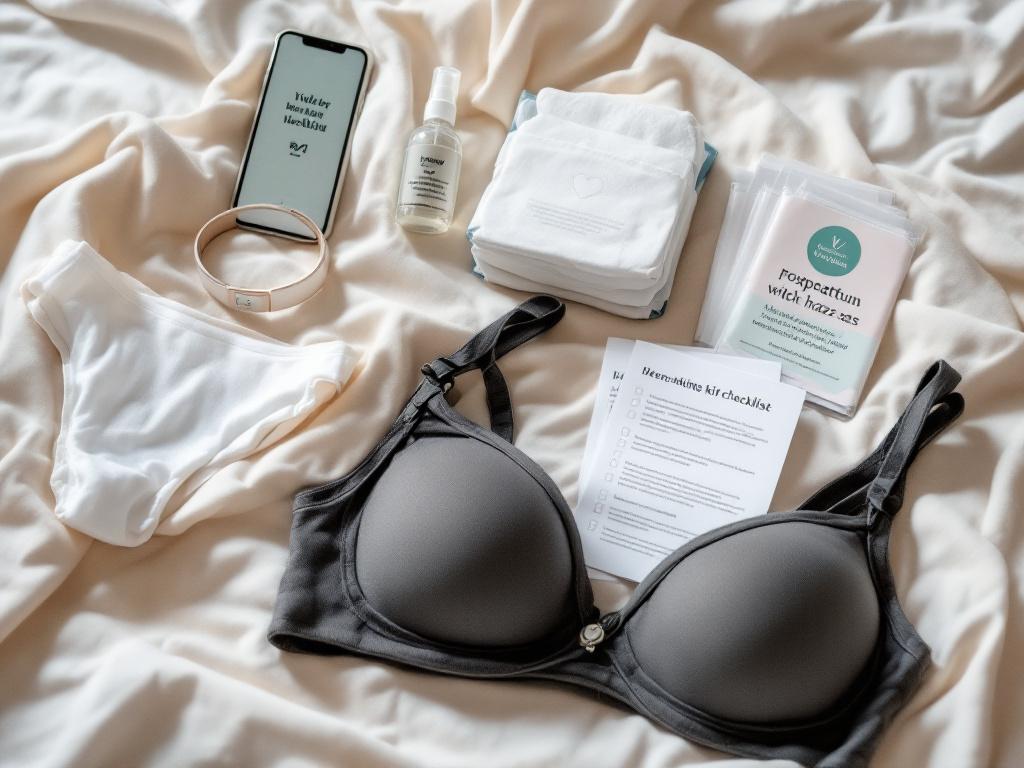
Immediate kit: what to pack now
- Disposable underwear in a few sizes for the first 1–2 weeks, chosen for a roomy fit and absorbency to simplify dressing and laundry.
- Heavy absorbency sanitary pads and witch hazel pad liners for soothing inflammation and managing lochia without irritating stitches.
- A cold pack and reusable sitz basin for immediate perineal relief and to control swelling during the first 48–72 hours.
- Oral pain relief per your clinician’s guidance and a topical numbing spray or ointment for short-term surface pain when appropriate.
Perineal care and wound-support items
Perineal care should combine gentle cleansing, cooling, and barrier protection; regular warm sitz baths twice daily and after bowel movements reduce discomfort and promote circulation. Use soft, breathable disposable underwear to keep dressings in place and change pads frequently to minimize infection risk and check healing progress visually. For topical relief, choose an over-the-counter topical analgesic spray or wipe and pair it with witch hazel pad liners to reduce irritation without excessive drying.
Pro tip: Pack several pre-filled peri-bottles and a few sterile, soft compresses to manage soreness and hygiene when mobility is limited, as these practical items often outperform expensive gadgets in everyday use. Monitor healing and contact your clinician if bleeding increases or odors develop, as early intervention prevents bigger problems. Prioritize comfort and simple efficacy over unproven extras when building your first-aid for healing collection.
Comfort, pain relief and baby care basics
- Loose, front-opening garments and a few nursing-friendly tops make feeding and dressing easier while healing abdominal or perineal areas.
- A supportive pillow for sitting and a lumbar pillow for nighttime help redistribute pressure and reduce strain on stitches and muscles.
- Basic baby care items—a few diapers, gentle wipes, and a safe place to rest the baby—keep parents focused on recovery and bonding rather than frequent shopping trips.
What to Skip Or Buy Later
Overhyped baby gadgets and sleep gear
Many new parents receive recommendations for specialized sleep gadgets and elaborate baby monitors, but you can delay most purchases until routines settle. For immediate postpartum needs, prioritize basics that support baby care and maternal rest; for tips on settling nighttime feeding and sleep patterns, learn more about how to put newborn to sleep at night. Buying every trending solution before you know your baby’s temperament often wastes money because efficacy of products varies widely between families.
Wait 2–6 weeks to judge whether a device improves sleep or feeds; many households find simple, low-tech solutions work as well as premium models. This lets you test what truly eases motherhood routines and avoid clutter from single-use or niche items that rarely repay their cost.
Postpartum-only gadgets and specialty kits to skip initially
Some marketed postpartum care items promise quick fixes but duplicate what hospital products and basic supplies already provide, such as ice packs, clean pads, and gentle peri-care. Start with essential disposable underwear and witch hazel pad liners for the first week, then reassess whether pricier specialty kits offer measurable pain relief or faster healing for perineal care.
Pro tip: If a product’s benefit is anecdotal in reviews rather than backed by clinical data on pain relief or wound healing, postpone buying until you’ve recovered enough to evaluate actual need. That saves money and reduces decision fatigue in the newborn weeks.
Comfort upgrades and nonessentials to buy later
Items like premium cushions, luxurious nursing covers, and multiple types of nursing aids can be purchased after breastfeeding is established or if discomfort persists beyond two to three weeks. Investing gradually lets you choose proven solutions and prevents duplicate purchases when friends gift overlapping items.
Focus early spending on proven essentials for recovery and baby care, then add comfort upgrades only if they demonstrably improve daily functioning for new parents. This staged approach keeps budgets sane and recovery focused on what truly helps.
Budget-Friendly Swaps And DIY Care
Smart swaps that stretch your budget
When building your list of postpartum recovery essentials, prioritize multifunctional items you can reuse instead of single-use hospital products. Choose a soft peri bottle and large washable pads rather than buying multiple specialty disposables; washable options cut costs over weeks and reduce landfill waste. For night support, a plain waterproof mattress protector and a few extra fitted sheets often replace pricier, marketed solutions while offering the same protection.
Small purchases can still make a big difference: disposable underwear is useful for the first few days but swapping to high-waist cotton briefs after 7–10 days typically reduces monthly spend. For baby care-related needs, reuse receiving blankets as burp cloths and swaddles—they’re cheaper than single-purpose items and wash well, making them practical for new parents.
DIY perineal and pain relief strategies
Perineal care can be effective without premium sprays or single-brand kits; cold packs made from wrapped frozen peas reduce swelling and topical witch hazel pad liners soothe irritation affordably. Sitz baths added to a few daily minutes help healing; fill a shallow basin with warm water and a teaspoon of salt to support gentle cleansing. Over-the-counter pain relief following your clinician’s guidance and the CDC’s postpartum recommendations can be combined with these home measures for better comfort—see the official guidance from the CDC for timing and safety.
Pro tip: Freeze reusable ice packs in pairs so one is always ready while the other recharges; this simple system halves improvisation stress and keeps costs down.
Repurpose, prioritize, and know when to buy
Repurposing household textiles and choosing medically necessary items over trendy extras preserves budget and boosts efficacy of products you actually need. Track which disposable postpartum care items you use in the first two weeks; if something isn’t delivering relief, don’t replace it—invest in one proven alternative instead of multiple trial purchases. Prioritize purchases that aid healing and baby care directly, and defer nonessential comfort gadgets until you’ve assessed real needs.
These swaps and DIY tactics let you focus spending on verified recovery helpers while keeping quality and safety top of mind for motherhood and healing.
Practical Breastfeeding And Nursing Support
Getting latch, position, and early routines
Establishing a reliable latch in the first days changes the course of breastfeeding and reduces sore nipples for new parents. Begin with skin-to-skin and try several positions (laid-back, cradle, football) so you can find what works with your baby’s temperament and any postpartum limits from delivery. If hand-expression helps, practice after feeds to stimulate supply and relieve engorgement; many caregivers find 5–10 minutes of gentle massage before a feed useful.
- When baby opens wide, aim the nipple toward the roof of the mouth to encourage a deep latch; retract and try again if there’s pain.
- Use pillows or rolled towels to support your arm and the baby’s body so you can relax shoulders and feed longer without strain.
- Keep a small tray with water, nipple cream substitute, and snacks nearby to reduce interruptions and protect your energy.
Comfort, pain relief, and perineal care
Managing discomfort lets you focus on feeding and bonding; combine conservative measures with targeted products sold as hospital products or postpartum care items for short-term relief. For perineal care, cooled witch hazel pad liners and sitz baths reduce swelling and help healing after vaginal birth, while disposable underwear provides convenience during heavy bleeding and simplifies dressing changes in the first week.
- Pro tip: Keep a topical pain-relief spray or medicated pad recommended by your provider on hand for quick relief after toileting or during first sits; evaluate efficacy after 48–72 hours.
- If nipples crack, alternate expressed feeds and positioning adjustments; consult a lactation specialist if pain persists beyond a week.
Pumping, storage, and feeding when apart
Practical pumping routines make feeding flexible and protect supply when you return to activities away from the baby. Start with 15–20 minute sessions every 2–3 hours if establishing supply; label milk with date and time and follow safe storage windows to preserve nutrients.
- Use a dedicated cooler and sterile containers for outings; clean pump parts promptly to avoid bacterial growth.
- Plan gradual handoff feeds to caregivers so baby accepts bottles; combine paced bottle technique with familiar smells and feeding cues.
For broader newborn and parental strategies, see the first-year parenting playbook to align breastfeeding goals with infant care and recovery rhythms.
Recovery Routine Mental Health And Community
Daily recovery routine
Start with a simple, repeatable morning and evening routine that balances wound care, pain management, and baby care tasks so you conserve energy and reduce decision fatigue. Use sitz baths or warm compresses for perineal care and alternate with cold packs for swelling; choose disposable underwear and high-absorbency hospital-style pads for the first 7–10 days when bleeding and leaks are heaviest. Track pain relief doses (acetaminophen or ibuprofen when appropriate for breastfeeding) and note symptom changes so you can report them at your postpartum check.
Include short movement sessions: pelvic-floor breathing, gentle walks, and guided pelvic-floor exercises once cleared by your clinician to speed functional recovery and reduce long-term pelvic symptoms. Keep a small kit of postpartum care items—witch hazel pad liners, sterile compresses, a perineal spray alternative, and a cooling gel pack—within arm’s reach of your usual sitting area to avoid standing for long when baby needs you.
Mental health check-ins and screening
Schedule a brief mood-and-sleep check every 3–4 days with your partner or support person, noting appetite, crying spells, intrusive thoughts, and sleep quality; this creates early detection pathways for postpartum depression or anxiety. Formal screening at the 2–6 week contact is recommended by major obstetric guidelines, and if low mood or overwhelm persists beyond two weeks, contact your clinician for a validated screening tool and treatment options.
Practice micro-rest strategies: controlled breathing, a ten-minute nap while someone watches the baby, or delegating one feed to a partner with bottle or formula support so you can reset; these small practices improve mood and decision-making. Consider a telehealth visit with a maternal mental health provider if access is limited, and ask about local peer-support groups for structured follow-up.
Building your community and practical help
Map a realistic support network that includes at least two people who can prepare a meal, run an errand, or care for the baby for 30–60 minutes so you can rest or shower; make specific asks rather than general ones to increase uptake. Join one or two community spaces for new parents—local parent groups, a postpartum physiotherapy class, or moderated online forums—because shared experience reduces isolation and surfaces practical tips about motherhood and baby care.
Refer to the first-year parenting guide for scheduling help and sample task lists to hand to helpers. Keep communication simple: a shared checklist or messaging thread outlining meals, visits, and pharmacy needs reduces friction and preserves your energy for recovery.
Practical product choices and assessing efficacy of products
When evaluating postpartum items, prioritize clinical function over marketing: test a disposable underwear option for fit and absorbency, compare pad liners for breathability, and choose perineal care solutions that can be rinsed or disposed depending on wound drainage. Note efficacy of products by tracking comfort and skin reaction over 48–72 hours; if irritation or ineffective protection occurs, swap to an alternative with better materials or higher absorbency.
Pro tip: Keep a small evidence file—product notes, clinician recommendations, and personal reactions—to guide replacements and future purchases and to help other new parents with real-world feedback. This practical record, combined with community input, converts trial-and-error into a streamlined postpartum recovery essentials plan that protects healing and mental wellbeing.
Postpartum recovery essentials are less about buying everything and more about selecting a few high-impact tools, simple routines, and reliable human support that protect both body and mood. Focusing on pain control, hygiene, feeding practicality, and gentle pelvic care will give you steady, measurable progress without added stress. Build a short routine that reduces decision fatigue so you can spend energy on rest and infant bonding.
Actionable next steps: write a two-week checklist, prepare a reachable care kit, and schedule your postpartum check and a lactation consult now. Line up one person to cover nights or errands, and trial any new product (like a reputable pump model such as Medela for parts and service) before you rely on it. If pain, bleeding, or mood feel off, contact your provider promptly—early support changes outcomes, so ask for help when you need it.
Frequently Asked Questions about postpartum recovery essentials
How long does postpartum recovery usually take?
Recovery varies widely; many people feel better within 4–6 weeks, but complete physical recovery can take months. <strong>Listen to your body</strong> and follow up with your clinician at the 6-week visit or sooner if symptoms worsen.
What should I keep within arm’s reach during the first days?
Keep essentials like a peri bottle, sanitary pads, cold packs, a water bottle, snacks, and nursing supplies nearby. <strong>Accessibility</strong> saves energy and reduces strain while you recover.
Are over-the-counter pain relievers safe while breastfeeding?
Common options like <strong>acetaminophen</strong> and <strong>ibuprofen</strong> are generally safe while breastfeeding. Always double-check with your provider if you need stronger prescriptions or have specific health conditions.
How can I tell if my breastmilk supply is adequate?
Watch for frequent wet diapers, steady weight gain, and regular swallowing during feeds as key signs. If you worry, a lactation consultant can assess latch and offer targeted strategies.
When is it safe to resume exercise?
Start with gentle walking and pelvic-floor exercises in the first weeks; avoid heavy lifting or intense workouts until cleared by your provider, often around 6 weeks. Progress gradually and stop if you feel pain or unusual bleeding.
What are simple steps to protect my mental health after birth?
Prioritize short sleep breaks, accept help for chores, and talk about your feelings with a trusted friend or professional. <strong>Seek help quickly</strong> if you experience persistent low mood, anxiety, or thoughts of harming yourself or the baby.
When should I contact my healthcare provider right away?
Call if you have heavy bleeding soaking a pad in an hour, fever over 38°C (100.4°F), severe pain, foul-smelling discharge, or signs of infection at a wound site. Prompt evaluation prevents complications.