



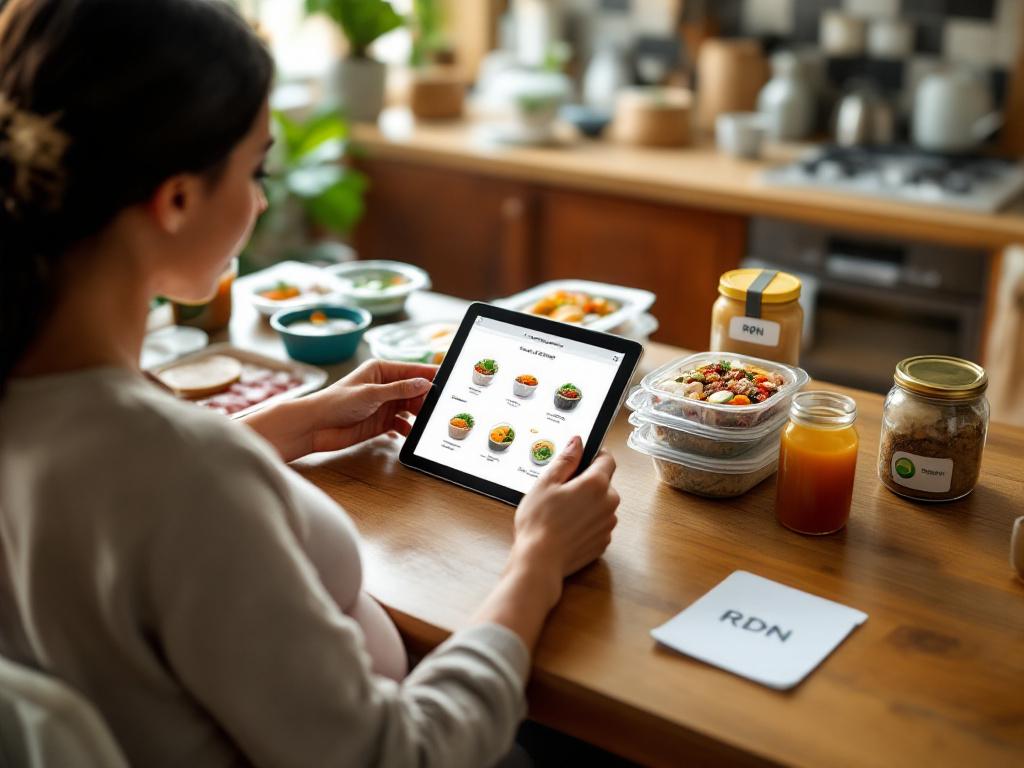
Are you navigating the exciting yet overwhelming journey of pregnancy? With the right nutrition being key for both you and your baby, pregnancy meal delivery services are a convenient option to ensure you receive healthy meals tailored to your needs.
In this article, we’ll guide you through choosing the ideal meal delivery service for expectant mothers. You’ll find a side-by-side comparison, nutrition analyses, and sample meal plans designed with food safety in mind.
Plus, we’ll cover everything from ordering and pricing to postpartum support and recovery resources. This comprehensive approach will empower you with the knowledge to make informed dietary choices during this crucial time.
How we evaluate pregnancy meal delivery services
Criteria include meal variety, nutritional balance, food safety standards, and customer satisfaction ratings.
What matters most when choosing a pregnancy meal service
When looking for a pregnancy meal delivery service, it’s essential to consider several key factors to ensure you receive meals that support both your nutritional needs and preferences. Firstly, prioritize services that specialize in prenatal meals which are rich in essential nutrients like folic acid, iron, and calcium, crucial for fetal development. Services should ideally provide meals that are tailored for pregnancy, taking into account common dietary restrictions and cravings that many expectant parents experience.
Accessibility to a nutritionist can significantly enhance your meal planning experience. Some delivery services even provide access to nutritionists covered by insurance, such as Registered Dietitian Nutritionists (RDNs) who can guide you in selecting appropriate meals, especially if you are managing conditions like gestational diabetes. Research suggests that a tailored approach to nutrition can lead to better outcomes during pregnancy.
Additionally, consider the range of meal options. Some services offer culturally specific meals, such as traditional dishes like miyeok guk (seaweed soup) or bone broth, which may be particularly comforting during postpartum recovery. Understanding options from different culinary traditions can enrich your meal plan and make it more enjoyable.
Furthermore, evaluate the logistics: meal preparation times, delivery schedules, and how the meals are packaged. Flexibility in these aspects can greatly enhance your experience during what is often a busy and sometimes overwhelming time. For more details on considerations like these, be sure to learn more about livraison de repas grossesse 2026: services sûrs comparés.
Lastly, check for reviews and testimonials. Engaging with the community or even utilizing meal train services can provide insights into what others found beneficial. Remember, selecting the right meal service is not just about convenience; it’s an investment in your health and well-being during this significant time.
Side by side comparison matrix and quick picks
When selecting a pregnancy meal delivery service, expectant parents have numerous options tailored to their nutritional needs. To aid in your decision, a side-by-side comparison highlights popular meal services, showcasing their features, benefits, and the ingredients they use to support health throughout pregnancy and postpartum recovery.
Comparison Matrix
| Service | Meal Type | Dietary Options | Special Features | Price Range |
|---|---|---|---|---|
| Service A | Prenatal Meals | Vegan, Gluten-Free | Supports gestational diabetes; certified nutritionists | $8-$15 per meal |
| Service B | Postpartum Meals | Allergens accommodated | Bone broth inclusion, Ayurvedic options | $6-$12 per meal |
| Service C | Culturally Specific | Variety | Includes miyeok guk; customizable meal plans | $9-$14 per meal |
Quick Picks
For a quick and effective selection:
- Best for Gestational Diabetes: Service A, recognized for its nutritionist oversight and balanced meal plans.
- Best for Postpartum Nourishment: Service B, known for its nourishing ingredients like bone broth aimed at recovery.
- Best Culturally Relevant Meals: Service C, offering diverse options like traditional miyeok guk for postpartum care.
When making your choice, consider your preferences and dietary needs. For more detailed insights into pregnancy nutrition, check out our guide to best prenatal vitamins 2026: top picks reviewed by experts to support your journey.
Nutrition analysis and sample meal plans
Navigating the journey of pregnancy often includes the crucial task of maintaining proper nutrition. For expectant parents, understanding what comprises balanced prenatal meals is essential for both maternal health and fetal development. Meal delivery services can provide a practical solution, alleviating the stress of meal planning while ensuring access to nutrient-dense options. Among the recommendations, a varied diet that includes lean proteins, whole grains, leafy greens, and healthy fats is foundational. For more details on what to eat when pregnant in the first trimester, see our guide to what to eat in the first trimester (2026): simple meal ideas.
Sample Meal Plans
Examining sample meal plans can offer insights into the range of meals available through pregnancy meal services. Here’s a curated approach:
- Breakfast: Overnight oats topped with chia seeds and fresh berries.
- Lunch: Quinoa salad with roasted vegetables and a lemon-tahini dressing.
- Dinner: Baked salmon with steamed broccoli and whole-wheat couscous.
- Snacks: Almonds and Greek yogurt drizzled with honey.
These meals not only meet nutritional needs but can also be adapted for various dietary requirements, such as those managing gestational diabetes. Meals rich in fiber and protein, like bone broth and miyeok guk (a traditional Korean seaweed soup), can be particularly beneficial for postpartum recovery as well.
Consulting with a registered dietitian nutritionist (RDN) can further enhance meal selections tailored to individual health needs. Insurance may even cover sessions with qualified nutritionists, ensuring that each expectant parent receives personalized care aligned with their dietary preferences and medical conditions.
Additionally, implementing community supports, such as a meal train or joining programs like the Healthy Start program, can provide essential resources for pregnant and postpartum individuals looking to ease the transition into parenthood and nutritional management.
Ordering, pricing, and delivery logistics explained
Understanding the Ordering Process
When opting for pregnancy meal delivery services, ease of ordering plays a crucial role. Most services offer user-friendly websites or mobile apps, allowing customers to customize their meal plans based on dietary needs—especially for those managing conditions like gestational diabetes. Users can typically select from a variety of meal options, including nutrient-packed prenatal meals and culturally specific postpartum meals, ensuring that family traditions and preferences are honored.
Many services implement subscription models, providing flexibility in order frequency and meal quantity. Customers can often pause or modify subscriptions based on their evolving needs during pregnancy or postpartum recovery. Notably, some providers offer meal customization by integrating expert nutritional guidance from registered dietitian nutritionists (RDN) to help with personalized meal planning.
Pricing Structures
Pricing for pregnancy meal delivery services can vary widely, influenced by meal variety, ingredient quality, and portion sizes. Most services provide transparent pricing, usually ranging from budget-friendly options to premium plans that feature organic or sustainably sourced ingredients. It’s essential to factor in shipping costs, which can add to the overall expense, especially for weekly deliveries.
Some programs may even include discounts or promotional codes for new customers, making it possible to try out the service at a lower initial cost. For those with health insurance coverage, nutritionist consultations are occasionally accessible, potentially helping subsidize costs for services that have RDN guidance.
Delivery Logistics
Reliable delivery logistics are vital for maintaining the freshness and quality of meals. Most meal delivery services utilize insulated packaging and quick delivery windows, ensuring that food arrives at the optimal temperature. Some even offer same-day delivery in urban areas, which can be incredibly helpful for expectant parents managing busy schedules.
For those considering meals like miyeok guk or bone broth, verifying the service’s ability to deliver culturally relevant options that align with dietary needs is essential. Furthermore, successful meal trains, where friends and family contribute meals, can be coordinated through these services, making it a thoughtful way to support new parents.
Pro tip: Always review a service’s delivery area to confirm they can ship to your location, as this can vary significantly between providers.
Postpartum services and recovery focused support
Postpartum recovery can be a challenging time for new parents, particularly when it comes to nutrition. Engaging with livraison de repas grossesse 2026 : services sûrs comparés can ensure that new mothers have nutritious meals that support their healing process. A well-planned meal delivery service can provide the essential nutrients needed for recovery while adding convenience to the routine of new parents adjusting to life with a newborn.
Services tailored for postpartum nourishment often prioritize meals rich in protein, healthy fats, and vitamins, crucial for recovery. For instance, meals featuring protein-dense options like bone broth can enhance healing, while superfoods such as spinach or leafy greens can assist with lactation. Providers may also deliver meals inspired by various traditions, like miyeok guk, a Korean seaweed soup known for its restorative properties.
Additionally, addressing conditions like gestational diabetes is vital for many new parents, which is where registered dietitian nutritionists (RDNs) come in. Services that are nutritionist-covered by insurance can provide personalized meal plans that accommodate specific dietary needs and preferences. Programs like the Healthy Start program offer significant support by connecting individuals with resources to ensure healthy postpartum recovery through appropriate nutrition.
In the realm of postpartum resources, understanding the range of options, including Ayurvedic principles that emphasize warming foods for recovery, is essential. Many meal delivery services have adapted to meet these varied needs, creating easy access to nutrient-dense meals, often involving minimal preparation for the ultimate convenience. New parents can find comfort in knowing that these services not only cater to their immediate needs but also help them recover and thrive during this transformative period of life.
Making informed choices about pregnancy meal delivery can not only ease your daily routine but also contribute to a healthier pregnancy. Considering factors such as nutritional value, pricing, and service quality is crucial in selecting the right option for your needs. For instance, companies like Fresh n’ Lean provide tailored meal plans that support both prenatal and postpartum nutrition.
To take the next step, assess your dietary preferences and budget, then compare available services against your unique requirements. This proactive approach enables you to optimize your meal choices and enhances your overall well-being. Remember, quality nutrition during this vital time can have lasting effects on you and your baby.
Don’t hesitate to explore various meal plans and make the choice that best supports your health and lifestyle. Your journey into motherhood deserves the right support!
Frequently Asked Questions about pregnancy meal delivery
What types of meals are typically offered in pregnancy meal delivery services?
Most services provide a variety of meals designed for different dietary needs during pregnancy, including vegetarian, gluten-free, and low-carb options. They often ensure all meals are nutrient-dense, focusing on ingredients that promote fetal development and maternal well-being.
How do I know if a meal delivery service is safe during pregnancy?
Look for services that emphasize nutritional guidance and meet industry standards for food safety. It’s also beneficial to review customer feedback and consult with your healthcare provider for personalized recommendations.
Can I customize my meal plan if I have specific dietary restrictions?
Yes, many meal delivery services offer customization options to accommodate dietary restrictions. When selecting a service, check if they allow you to specify allergies, preferences, or specific nutritional needs.
What is the average cost of pregnancy meal delivery services?
Costs can vary widely depending on the service and meal variety offered, generally ranging from $8 to $15 per meal. Subscription models may offer discounts, making it more cost-effective over time.
How often are meals delivered?
Most services offer weekly delivery, allowing you to select the frequency based on your needs. Some providers may offer flexible options for on-demand deliveries or pre-scheduled plans.
Do these services provide meals for postpartum recovery too?
Many meal delivery services extend their offerings to include postpartum meals, focusing on recovery and nourishment for new mothers. These meals typically prioritize lactation support and energy-boosting ingredients.