



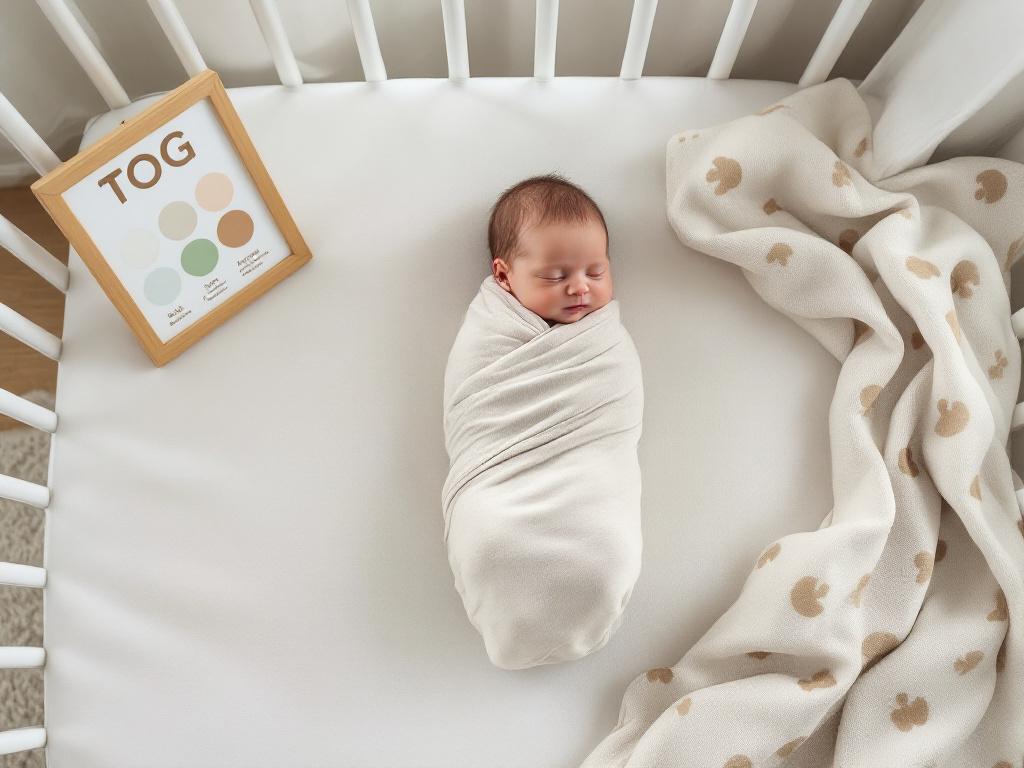
As a new mom, you want nothing but the best for your little one, and swaddling can be a game-changer. This ancient practice not only mimics the snug environment of the womb but also helps soothe your newborn, promoting better sleep and comfort.
In this guide, we’ll explore why swaddling works and the safety musts you need to consider. You’ll also learn step-by-step techniques, how to choose the right fabric for every season, and practical care tips to keep your swaddles fresh.
We’ll even cover troubleshooting common issues and the signs that indicate your baby might be ready to transition out of a swaddle. Whether you’re a first-time parent or looking to refine your skills, this article provides essential insights to ensure a smooth swaddling experience.
How we evaluate swaddling techniques
We assess safety standards, effectiveness in soothing newborns, ease of use, and versatility of materials.
Why Swaddling Works and Safety Musts
Swaddling is an age-old practice that many cultures around the world have utilized, providing newborns with a comforting, womb-like environment. When a baby is swaddled correctly, it can help them feel secure, reduce startle reflexes, and promote longer sleep sessions. This calming effect is essential for infants as they transition from the fast-paced world they experienced in the womb to their new surroundings. In essence, swaddling can aid in improving sleep quality for both the newborn and the caregivers.
However, ensuring swaddle safety is paramount. It’s crucial to choose swaddles that are made from breathable fabrics, like bamboo blends or organic cotton, to prevent overheating. Each swaddle should allow for a seamless fit without constricting the baby’s movement too tightly. Specifically designed solutions, such as those featuring Hug Technology® and 3D-knit construction, offer a enhanced sensory-friendly experience by eliminating seams that could irritate a baby’s delicate skin.
When selecting a swaddle, consider the baby’s age and size—premium models often cater to preemies and include features for those transitioning to Arms Out™. The versatility in designs, such as the Air Light options, helps adapt to seasonal changes, keeping the baby comfortable throughout the year.
When swaddling, it’s essential to follow safety guidance to avoid risks. The American Academy of Pediatrics (AAP) recommends placing babies on their backs to sleep, ensuring the swaddle is snug around the arms without being too tight around the chest. For more information on safety essentials, visit our Newborn First Aid Kit Safety Guide 2026: What to Include.
Swaddle Step by Step Techniques
Swaddling is an ancient practice with a multitude of benefits for newborns, including enhancing sleep and providing comfort. To master this technique, it’s essential to follow a clear, step-by-step process that ensures your baby feels secure and cozy. Here’s how to swaddle your newborn effectively.
Choosing the Right Fabric
Before you begin, select a breathable fabric, such as a bamboo blend or organic cotton, which is gentle on sensitive skin. A high-quality swaddle should ideally feature a seamless fit, accommodating various sleeping positions, and ensuring that it’s sensory-friendly for your baby. Popular designs often include features like Hug Technology® that promote security without overheating.
Preparing to Swaddle
Lay the swaddle flat in a shape resembling a diamond, with the top corner folded down. Ensure the swaddle’s width accommodates your baby comfortably—allowing for movement without restricting their hips. When selecting a product, consider variations like the Arms Out™ option, beneficial for babies who prefer more freedom of movement.
Swaddling Your Baby
- Lay Your Baby: Place your baby on their back in the center of the swaddle, ensuring their shoulders are just above the fold.
- Wrap the First Side: Take the left side of the swaddle and wrap it snugly around your baby’s body, tucking it under their legs.
- Wrap the Second Side: Bring the right side across your baby, again tucking it securely. Make sure your baby’s legs can still bend and move slightly to ensure comfort.
- Final Adjustments: After securing the swaddle, locate the baby’s chin and ensure there’s around a finger’s width of space to avoid any restriction.
With practice, swaddling will become a quick and comforting routine for both you and your newborn. For recommendations on the best swaddle for newborn 2026: safe sleep favorites, explore options that cater to your baby’s needs, including sizes for preemies or unique features designed for different climates.
Choosing Fabric Style and Seasonal Picks
When selecting a swaddle for your newborn, fabric choice and seasonal considerations are paramount in ensuring comfort and safety. Opting for breathable materials, such as bamboo blends or organic cotton, can greatly affect your baby’s sleep quality. These fabrics not only provide a soft touch against sensitive skin but also help regulate temperature, making them ideal for all seasons.
For colder months, thicker fabrics are beneficial. Consider swaddles that incorporate 3D-knit technology, which creates a snug yet breathable environment, enhancing warmth without overheating. Look for options that offer a cozy fit while allowing for easy movement. Conversely, summer demands lighter fabrics, such as the Air Light Swaddelini, designed specifically for hot weather and featuring moisture-wicking properties.
In addition to breathability, sensory-friendly fabrics can help create a soothing experience for your baby. Models that utilize Hug Technology® ensure a seamless fit, reducing the chance of startles that can disrupt sleep. If your newborn requires extra support, a swaddle with Arms Out™ design may provide the comfort of swaddling while allowing freedom for their arms, accommodating natural movement.
For preemies, seek options specifically designed for their delicate needs. A swaddle that is tailored for their size fosters a sense of security, essential for calming their senses. Before purchasing, explore our guide to best diapers for newborn 2026: pediatrician‑vetted picks to ensure holistic care for your little one.
Ultimately, choosing the right fabric for your baby’s swaddle involves balancing comfort, safety, and temperature regulation. Prioritizing these elements will set the foundation for restful sleep and happier days ahead.
Care, Certifications, and Practical Specs
Understanding Care Requirements
Caring for a newborn’s delicate skin requires gentle handling, especially when swaddling. When selecting a swaddle for your child, it’s vital to consider materials that are not only soft but also breathable. Fabrics like bamboo blends and organic cotton ensure that your baby remains comfortable throughout the night by offering a sensory-friendly, seamless fit. Regular washing is essential; always follow the manufacturer’s instructions to maintain the fabric’s softness and functionality. Most swaddles can be machine-washed on a gentle cycle and should be air-dried to avoid shrinking or damage.
Importance of Certifications
Certifications play a crucial role in ensuring the safety and quality of baby products. Look for swaddles certified by recognized organizations that test for harmful substances, such as OEKO-TEX® Standard 100. This certification assures parents that the materials used in manufacturing are free from harmful chemicals. Furthermore, consider swaddles designed with features like Hug Technology®, which optimizes comfort and security for your newborn, ensuring better sleep quality.
Practical Specifications to Consider
When choosing a swaddle, practical specifications like size and design are equally important. Many options come with different sizing to accommodate growing infants, including preemie sizes for smaller babies. Designs such as Arms Out™ allow for greater mobility, which can be helpful for active sleepers. For varying climates, explore options like the Air Light Swaddelini, which features lightweight construction for warmer weather. Every purchase should align with your baby’s specific sleep needs, offering versatility as they grow and develop.
Troubleshooting, Transitioning, and Real Customer Signals
Swaddling is a cherished practice, yet it can present challenges that new parents might find daunting. When swaddling your newborn, issues such as discomfort, difficulty in wriggling out, or the swaddle not staying snugly in place can occur. These problems necessitate close attention. It’s crucial to ensure that the fabric is breathable; for example, a bamboo blend or organic cotton can provide the softness and ventilation your baby needs. If your newborn seems restless, considering a sleep sack with a seamless fit and Hug Technology can aid in alleviating discomfort.
Transitioning from swaddling to sleeping without one can also be tricky. Experts suggest a gradual approach, allowing your baby to adjust to increased freedom. A useful product in this regard is the Arms Out™ sleep sack, which permits movement while still providing a sense of security. This method eases the transition and helps reduce anxiety, benefiting both you and your baby.
Understanding Customer Signals
When evaluating which swaddles are most effective, customer feedback becomes invaluable. Parents often report on the soothing qualities of sensory-friendly fabrics and their effectiveness in reducing the startle reflex. For instance, many highlight that models with a lighter design, such as the Air Light Swaddelini, have improved nighttime sleep patterns substantially. This signals a demand for products that prioritize comfort, safety, and usability.
Furthermore, social proof through reviews reinforces purchasing decisions. As such, it is essential for manufacturers to showcase user testimonials and ratings prominently. Engaging with customers about their experiences not only builds trust but also informs product development. To discover more about postpartum must-haves, consider exploring the Postpartum Essentials Kit 2026: Budget‑Smart, Real Mom Picks, which includes solutions for smoother parenting transitions.
Swaddling can tremendously aid in calming newborns by mimicking the snugness of the womb, facilitating better sleep patterns. To ensure safety, always adhere to guidelines like monitoring temperature and using breathable fabrics. Moving forward, explore various swaddling techniques that suit your baby’s preferences, and don’t hesitate to experiment with seasonal fabric choices to enhance comfort.
Consider options from reputable brands known for their certified materials for peace of mind. As you observe your baby’s reactions, be prepared for necessary adjustments as they grow and their preferences evolve. Embrace the swaddling journey, knowing it can foster a tranquil sleep environment. Remember, each baby is unique, and finding what works best for your little one can be a rewarding experience. Happy swaddling!
Frequently Asked Questions about Swaddling for Newborns
How long can I swaddle my newborn?
Most experts recommend swaddling until your baby starts to show signs of rolling over, usually around 2-4 months. Always monitor your baby’s development closely.
Can swaddling help with colic?
While swaddling may soothe a fussy baby, it is not a guaranteed solution for colic. Combine it with other calming techniques for best results.
What’s the best fabric for swaddling?
Lightweight, breathable fabrics like cotton or muslin are ideal to prevent overheating while providing comfort. Always check for certifications that guarantee safety.
Should I swaddle with arms in or out?
Many newborns prefer arms in for comfort, but as they grow and start to roll, transitioning to arms out may be necessary to ensure safety.
Are there specific swaddling blankets you recommend?
Consider premium brands known for durability and safety features, or budget-friendly options that prioritize quality materials. Always check reviews and certifications.
What signs indicate my baby dislikes swaddling?
Watch for signs such as excessive fussiness, attempts to break free, or noticeable discomfort during swaddling. Being observant helps in making adjustments.
How do I transition my baby out of swaddling?
Start by swaddling with one arm out or using a transitional sleep sack. Gradually allow your baby to adjust before fully stopping swaddling.