



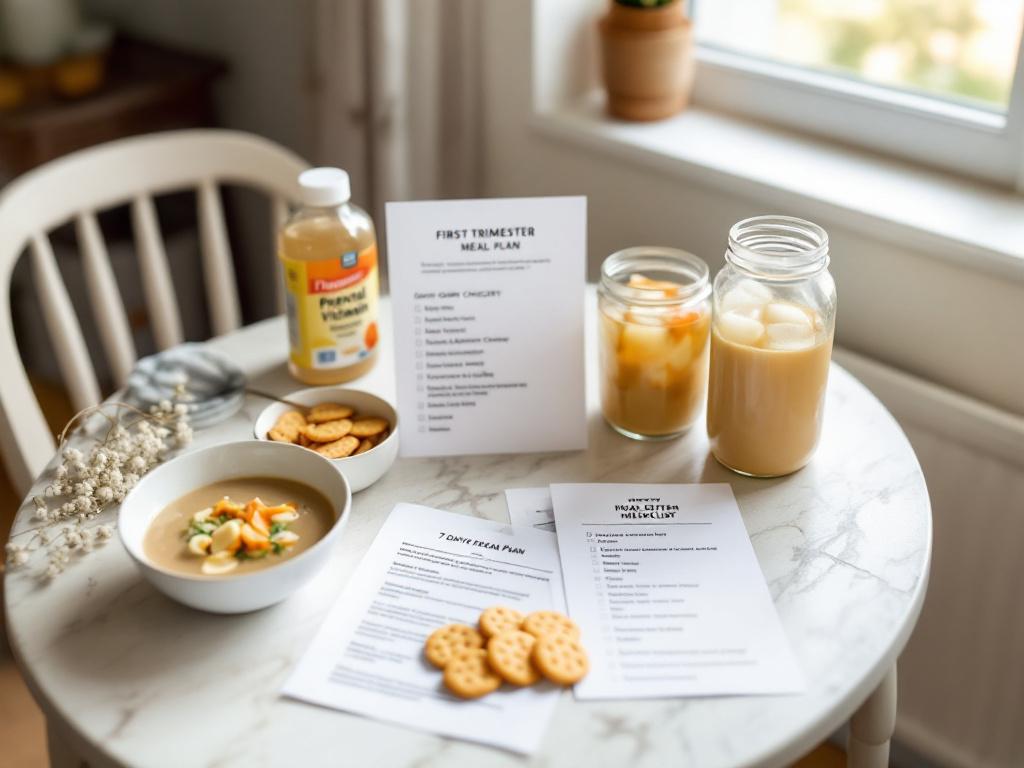
Embarking on the journey of pregnancy brings excitement and a whirlwind of changes, especially in your dietary choices. During the first trimester, your body craves specific nutrients while navigating food aversions and nausea, making meal planning an essential task.
This article will help you ensure a safe and balanced diet, focusing on key nutrients needed for your growing baby, meals that ease morning sickness, and hydration tips when water might not sound appealing. You’ll discover simple, delicious recipes that are easy to tolerate and nourishing.
From breakfasts that calm nausea to a handy 7-day menu plan, this guide has everything you need to feel confident about your food choices. We provide expert insights to ensure you can eat safely, maximizing nutrition while minimizing discomfort during this pivotal time.
How we evaluate pregnancy nutrition
We review nutritional guidelines from healthcare professionals, considering safety, ease of preparation, and taste preferences for expectant mothers.
First Trimester Food Safety and Key Nutrients
During the first trimester of pregnancy, dietary choices play a crucial role in the health of both the mother and the developing baby. It’s common for many pregnant people to experience morning sickness, which often includes symptoms like nausea, queasiness, and gagging. This can make it challenging to maintain a balanced diet, especially when certain foods are off-putting or when you feel as though you have to force yourself to eat.
Key nutrients are essential during this time to ensure your baby’s proper growth and development. Nutrients such as folic acid, iron, calcium, and protein should be prioritized in your diet. Folic acid, in particular, is fundamental for preventing neural tube defects, and it’s recommended to consume around 400-800 mcg daily. Good sources include leafy greens, beans, and fortified cereals.
When it comes to food safety, certain foods should be avoided to minimize the risk of foodborne illness. For example, raw or undercooked seafood, eggs, and meats can harbor harmful bacteria. To learn more about these specific foods, check out our Foods to Avoid During Pregnancy: Complete, Safe Guide 2026.
While some individuals may crave comforting foods like soup or apple juice, it’s critical to stay hydrated. If water makes you gag, consider infusing it with fruit or sipping on herbal teas. Always opt for pasteurized juices and avoid caffeine and alcohol entirely. Remember, these early weeks can be tough, and it’s perfectly acceptable to focus on nutrition that feels manageable.
As you navigate these dietary challenges during the first trimester, keeping nutrition at the forefront while ensuring food safety will help set a healthy foundation for your pregnancy.
Breakfasts That Calm Nausea
The first trimester of pregnancy can be a challenging time, especially for those experiencing morning sickness and nausea. Finding breakfasts that are not only nourishing but also easy to digest can make a significant difference. Here, we’ll explore options that can help quell those queasy feelings while ensuring you receive essential nutrients.
Gentle on the Stomach
Choosing foods that are mild and gentle on the stomach is key. Toast with a light spread—like a thin layer of almond butter or just butter—can be an easily tolerated breakfast. Similarly, a small bowl of plain oatmeal with a drizzle of honey provides fiber without overwhelming your senses. If you’re struggling with feelings of gagging or aversion, consider opting for low-fat yogurt with fresh fruit, ensuring you choose varieties that don’t have strong flavors.
Hydrating Options
Hydration can also become a concern when nausea diminishes your desire to drink. If plain water makes you want to gag, try incorporating apple juice or herbal teas. Small sips can keep you hydrated without causing discomfort. For those who enjoy smoothies, blending bananas with a dash of yogurt can offer a refreshing start to your day while soothing nausea.
Soothing Soup
Soup might not be the typical breakfast choice, but warm, broth-based soups can offer nourishment without being too heavy. Simple chicken or vegetable soup is ideal, especially if it’s homemade and free from harsh spices. The warmth can be comforting, providing a gentle way to start the day. Remember, it’s okay to choose what feels right—it’s vital to listen to your body during this sensitive time.
In your journey through pregnancy, remember that it’s okay to have off days. Focus on nourishing your body with what you can tolerate, and if you’re looking for more guidance, check out our Pregnancy Food Safety Guide 2026: Kitchen Rules That Matter for tips on safe eating during this important phase.
Lunch and Dinner Ideas That Are Easy to Tolerate
During the first trimester, many women experience morning sickness and nausea, making it challenging to find satisfying meals. Choosing foods that are gentle on the stomach can significantly reduce discomfort. Here are some lunch and dinner ideas that can help ease nausea while providing essential nutrients for both mother and baby.
Light and Nourishing Soups
Soups can be an excellent option for pregnant individuals struggling with queasiness. Clear broths or light vegetable soups often provide hydration alongside nourishment. Recipes featuring ingredients like carrots, celery, and potatoes can be soothing and provide essential vitamins. If you’re feeling adventurous, try adding rice or soft noodles for extra energy without overwhelming the palate. Soup is a comfort food that many have found helpful; as referenced in discussion threads on Reddit’s r/pregnant, it’s a common first-trimester suggestion.
Simple Grain Bowls
Another versatile option is grain bowls. Start with a base of quinoa or brown rice, which are both packed with nutrients and easy to digest. Top it with steamed vegetables, such as zucchini or broccoli, and a mild protein source, like baked chicken or tofu. Drizzle a light dressing made with lemon juice and olive oil for added flavor. Not only are these bowls customizable, but they also allow you to eat small portions without feeling overly full.
Gentle Proteins and Sides
For protein, consider poached or boiled eggs, which are typically well-tolerated. They are versatile for lunch and dinner, served alongside whole grain toast or a simple salad. Sweet potatoes are also a fantastic side; they are rich in vitamins and can be baked or mashed. This balance of protein and carbohydrates can help maintain your energy levels throughout the day.
Always remember to listen to your body. If you find yourself not hungry, don’t force yourself to eat. Instead, focus on smaller, more frequent meals. If you struggle with restrictions around water intake, try sipping on apple juice or adding a splash of juice to water to help you hydrate.
For further insight into handling food safely during this delicate phase, consult our Pregnancy Food Safety Guide 2026: Kitchen Rules That Matter.
In conclusion, the first trimester can be a challenging time for many, but with a little creativity, you can make meal planning easier and more enjoyable. Opt for foods that soothe rather than irritate, and don’t hesitate to experiment with flavors and textures that can help lift your spirits.
Snacks, Drinks, and Hydration When Water Makes You Gag
Experiencing morning sickness during your first trimester can feel overwhelming, especially when even the thought of water makes you gag. Managing nausea while ensuring you stay nourished and hydrated is crucial for both you and your baby. Fortunately, there are alternatives that can help you cope with these challenges.
Finding Tolerable Snacks
When you’re not feeling hungry but need to eat, consider keeping snacks on hand that are gentle on your stomach. Apple juice is often a surprising favorite for pregnant individuals who gag at the thought of plain water. Its natural sugar can provide a gentle energy boost. Similarly, plain crackers, breadsticks, and dry cereal can offer a satisfying crunch that helps ease nausea without overwhelming your senses.
Comforting Drinks
If you’re struggling with hydration, opt for clear soups or broth-based beverages. These not only provide hydration, but the warmth can also soothe a queasy stomach. Herbal teas, particularly ginger tea, can also be a soothing alternative, as ginger is well-known for its ability to alleviate nausea. If apple juice works for you, try diluting it with some soda water for a fizzy treat that still delights your taste buds.
Hydration Alternatives
Sometimes, simply forcing yourself to drink water is not an option. You might find ice chips beneficial; they can help you feel refreshed and are easier to consume. Additionally, hydrating fruits like watermelon and cucumber can supplement your fluid intake while offering a burst of flavor without the heaviness of a full meal.
Each pregnancy is unique, and while these options can be helpful, it’s okay to prioritize what you can tolerate. Remember, maintaining some level of nourishment and hydration during this challenging time is essential for your health and your baby’s development.
Build a 7-Day Starter Menu and Grocery Checklist
Pregnancy, especially in the first trimester, can be a challenging time for nutrition. Morning sickness and nausea may make it hard to decide what to eat when pregnant. To help, we have created a simple 7-day starter menu and grocery checklist that considers common aversions and cravings. This plan emphasizes easily digestible foods to minimize discomfort and encourages hydration, balancing the nutritional needs of you and your baby.
7-Day Starter Menu
- Day 1: Breakfast: Plain toast with apple juice; Lunch: Chicken soup; Dinner: Baked sweet potato with steamed carrots; Snack: Crackers.
- Day 2: Breakfast: Oatmeal with honey; Lunch: Avocado on rice cakes; Dinner: Grilled fish with broccoli; Snack: Yogurt.
- Day 3: Breakfast: Smoothie with spinach, banana, and almond milk; Lunch: Quinoa salad; Dinner: Vegetable stir-fry; Snack: Sliced apple.
- Day 4: Breakfast: Scrambled eggs with toast; Lunch: Broth-based soup; Dinner: Turkey sandwich on whole-grain bread; Snack: Rice cakes.
- Day 5: Breakfast: Banana pancakes; Lunch: Lentil soup; Dinner: Pasta with olive oil and spinach; Snack: Nut butter with celery sticks.
- Day 6: Breakfast: Cottage cheese with berries; Lunch: Cucumber and hummus; Dinner: Baked chicken thighs with sweet potatoes; Snack: Trail mix.
- Day 7: Breakfast: Smoothie with pineapple and greens; Lunch: Salad with chickpeas; Dinner: Grilled vegetable wraps; Snack: Dried fruits.
Grocery Checklist
Creating a grocery checklist simplifies the process of purchasing essentials. Consider this basic list tailored for your first trimester:
- Breads: Whole grain bread, Rice cakes
- Fruits: Bananas, Apples, Berries
- Vegetables: Carrots, Spinach, Avocado
- Proteins: Chicken, Turkey, Eggs, Lentils
- Dairy: Yogurt, Cottage cheese
- Snacks: Crackers, Nut butter, Trail mix
- Beverages: Water, Herbal teas, Apple juice
This plan serves as a foundation to guide you through the first trimester when nausea might make regular meals less appealing. Remember to adapt it based on your cravings and what feels best for your body. Listen to your body; if you need to force yourself to eat a little during moments of queasiness, try something mild like soup. Every small bite counts!
During the first trimester, prioritizing food safety and nutrient-rich options is essential for both you and your baby. Incorporating calming breakfast choices and easy-to-tolerate lunch and dinner ideas will help you navigate these early months while keeping nausea at bay. Hydration is crucial, especially when water isn’t appealing—consider alternatives like herbal teas or flavored seltzers to ensure you’re hydrated.
To simplify meal planning, utilize the provided 7-day starter menu and grocery checklist tailored for your needs. As you adapt to dietary changes, remember that what works for one person may not work for another. Utilize premium options for vitamins and snacks when possible; brands like Garden of Life offer a range that’s both nutritious and convenient.
Embrace this journey by prioritizing your nourishment and being flexible with your choices. Every small step counts towards a healthy pregnancy!
Frequently asked questions about what to eat when pregnant first trimester
What are the key nutrients needed in the first trimester?
<strong>Folic acid</strong>, <strong>iron</strong>, and <strong>calcium</strong> are crucial during the first trimester. These nutrients help in the development of your baby's neural tube, support blood volume increase, and strengthen bones.
How can I manage morning sickness through diet?
Try eating small, frequent meals throughout the day. <em>Ginger</em> tea, bland crackers, and dry toast can also help ease nausea.
Are there foods to avoid during early pregnancy?
Yes, avoid raw or undercooked meats, eggs, and fish. Also, steer clear of unpasteurized dairy products and high-mercury fish such as shark and swordfish.
How much water should I drink when pregnant?
Aim for at least <strong>8-10 glasses</strong> of water daily. Increased hydration will support your body's changes and help alleviate nausea.
What snacks are easy to tolerate during the first trimester?
Consider options like <em>plain yogurt</em>, nuts, or fruit smoothies. Choose light foods that won’t upset your stomach and contain vital nutrients.
Is it safe to consume caffeine during pregnancy?
Moderate caffeine intake is generally considered safe. Limiting to about <strong>200 mg</strong> per day, equivalent to one cup of coffee, is advisable.
How can I manage food aversions during pregnancy?
Focus on foods that you can tolerate. Experiment with different cooking methods or seasonings to make meals more appealing.
Should I take prenatal vitamins in addition to my diet?
Yes, prenatal vitamins are recommended to ensure you meet your daily nutrient needs, especially for folic acid and iron, which can be hard to get enough of through food alone.