


Being a new parent means carrying half the house everywhere, and finding the right bag can turn outings from chaos to calm. This guide helps you pick the best diaper bag backpack without sifting through endless reviews.
We compare practical features, real-world comfort, and organization in head-to-head tests, then give top picks for every budget and lifestyle. You’ll also find straightforward advice on when to splurge and how to keep your pack clean and protected.
Read on for clear comparisons, a simple decision flow, maintenance tips, warranty notes and a final checklist so you can grab the right bag and get out the door faster. Friendly, no-nonsense guidance for life with a newborn, with quick takeaways you can use today.
How we evaluate diaper bag backpacks We judged capacity, pocket layout, carry comfort, material durability, ease of cleaning and warranty support. Assessments combined hands-on testing with real parent feedback.
Buyer guide What matters most
Why priorities change as baby grows
Expecting families and new parents often start shopping with newborn needs in mind, then quickly discover requirements shift as infants become toddlers; for details on typical changes in needs over time, see our Baby Development Milestones Month-by-Month 2026 Guide. Choosing a bag that adapts avoids repeat purchases: what works for late-night feedings should still be handy for daycare runs and park visits when your child is two or three. Think about how pockets, capacity and access will serve stages from newborn to toddler so one solution covers multiple years.
If you’re shopping for the best diaper bag backpack, prioritize adjustable organization and durable materials over trendy styling alone because longevity saves money when the family grows. Consider capacity in liters or by example — a bag that comfortably holds six diapers, a change of clothes, wipes, and two bottles is a practical baseline for most outings. Match that to how you actually carry items: do you need a dedicated laptop sleeve or just more baby pockets?
Organization: pockets, changing pad and quick access
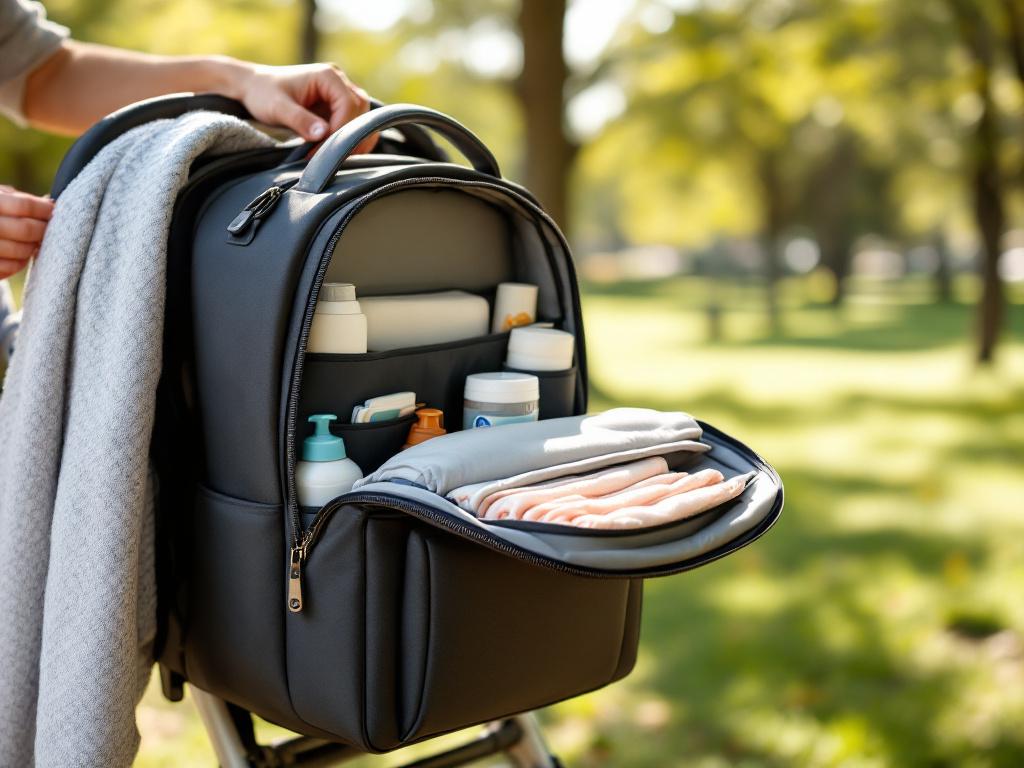
Layout matters more than total volume; deep main compartments hold bulk, but multiple external pockets provide quick access to phone, keys, and snacks without unpacking the whole bag. Look for an integrated or removable changing pad and a designated wipes pocket or dispenser slot to speed diaper changes on the go. Verify pocket size with real-world items — a wide insulated bottle pocket should accommodate standard bottles plus toddler sippy cups.
Small details like clip-in key rings, elastic bottle retainers, and interior zip pockets reduce rummaging time and keep essentials organized between caregivers. Gender neutral colors and low-profile silhouettes make backpacks suitable for any parent while still being practical for family outings. Prioritize configurations that let you segregate clean clothes from soiled items to prevent cross-contamination.
Comfort, washability and durability
Comfortable straps with breathable padding reduce shoulder strain on long walks with a toddler, and a sternum or waist strap helps distribute weight for heavier loads. Assess materials: wipeable shell fabrics, machine-washable liners, and reinforced stitching at stress points dramatically extend usable life under daily parental wear-and-tear. Check zippers and hardware for heavy-duty construction and corrosion-resistant coatings if you expect wet-weather use.
Key finding: models with removable, machine-washable linings and reinforced seams typically remain functional for multiple children, making them the most cost-effective choice for growing families. For care specifics, follow manufacturer guidance but prefer options where spills can be blotted or the interior can be washed without damaging insulation or padding. Regularly inspect seams and straps after two to three months of heavy use to catch wear early.
Feeding features and long-term versatility for family life
Insulated pockets that actually hold temperature for an hour or more are invaluable for expressed milk and toddler snacks; test pocket depth and insulation thickness before committing because thin liners perform poorly. A convertible design that accepts stroller straps, holds a small laptop, or compresses for travel increases usefulness beyond baby years and makes the bag work for partner swaps and daycare drops.
Finally, think about multi-child capacity: look for expandable compartments or extra diaper slots so a single backpack can support two children without constant reorganization. These practical choices reduce future friction and make the backpack a true family tool rather than a single-use item, saving time and headaches through those busy outings with newborns and energetic toddlers.
Head to head comparisons and top picks
Direct comparisons: organization, comfort and materials
For new parents and expecting families deciding on the best diaper bag backpack, start by comparing core features: pockets, changing pad inclusion, washability and strap comfort. For a deeper inventory of options and full reviews, see our Best Diaper Bag 2026: Top Picks by Lifestyle and Budget, which breaks choices down by lifestyle and budget to speed decision-making. Focus on models with multiple internal compartments that separate clean clothes from used items, plus a dedicated insulated bottle pocket so formula or expressed milk stays temperature-controlled.
Pay attention to durability: reinforced base panels, water-resistant fabric, and heavy-duty zippers dramatically extend useful life when you carry gear for newborns and toddlers. Practical testing often shows that backpacks with padded shoulder straps and a sternum buckle reduce shoulder strain on longer family outings by up to 30%, improving comfort when the bag is fully loaded.
Top picks by need and practical advice
If your priority is hands-free city travel with a newborn, choose a gender neutral, compact model with a removable changing pad and easy-access front pockets; prioritize changing pads that are wipe-clean or machine-washable for hygiene. For parents of toddlers who need snacks and extra clothes, pick a higher-capacity option (roughly 20–25 liters) with external insulated pockets and expandable sections for versatility.
Pro tip: Check that insulated bottle pockets fit common bottle sizes and that the changing pad folds small enough to tuck away without bulking the bag; this prevents awkward sagging when carrying for multiple children.
Quick decision checklist
- Washability: removable liners or machine-safe fabrics;
- Durability: reinforced seams, water resistance, tested zippers;
- Pockets & organization: at least one insulated bottle pocket and separate wipes compartment;
- Versatility: convertible straps, stroller straps, and a compact changing pad for family use.
Use this checklist during in-store inspections or when comparing product specs online to narrow choices quickly and confidently, ensuring the backpack suits both newborn needs and later toddler demands.
Budget or premium how to decide
Assessing real needs for new parents and expecting families
Start by mapping weekly routines: short walks, long outings, daycare drop-offs, or family trips. For many new parents the deciding factors are capacity, pockets for organization, and a dedicated changing pad; if you want help narrowing options, see our Best Diaper Bag 2026: Top Picks by Lifestyle and Budget for practical examples across price tiers. Consider whether you need gender neutral styling or a more fashion-forward silhouette, and note how toddlers versus a newborn change what you carry daily.
Key finding: Models with removable changing pads and multiple insulated pockets typically serve growing families longer because they adapt to both bottles and snacks for toddlers.
Cost versus long-term value
A budget model can deliver excellent washability and basic durability for light use, while premium options often offer reinforced straps, water-resistant fabrics, and insulated bottle pockets that keep milk at stable temperatures longer on outings. Think in terms of years: if you plan more children or regular travel, spending more upfront often reduces replacement frequency and hidden costs such as accessory purchases.
Also factor ergonomics—wider shoulder straps and lumbar support matter after months of carrying a loaded pack, and those features appear more often in higher-priced models designed for family use.
Practical checklist to choose right now
- Washability: machine-safe lining or wipe-clean coatings for quick spills.
- Durability: reinforced seams and tested zippers for lifelong use.
- Versatility: convertible straps, insulated bottle pockets, and enough pockets to separate diapers, wipes, and snacks.
- Fit for family: changing pads included, room for toddler gear, and gender neutral options if sharing between caregivers.
For authoritative guidance on handling milk and safe feeding while using insulated compartments, consult the CDC recommendations on storage and handling of human milk for infants: CDC safe handling of breastmilk.
Care maintenance and warranty after purchase
Everyday care and cleaning
New parents and expecting families benefit from a routine that preserves materials and pockets. Check care label before laundering and remove changing pad to wash separately. Air-dry insulated bottle pockets and open zippers to prevent trapped moisture and mildew.
Spot-clean exterior fabric with mild soap and cloth for stains. For machine-washable panels use a gentle cycle and cold water to preserve coatings. Empty crumbs from pockets after outings and blot spills immediately to maintain washability.
Durability, repairs and longevity checks
Inspect seams, straps, and hardware regularly, especially when carrying heavier items for toddlers. Reinforce loose stitching promptly with heavy thread or seek a professional repair for torn lining. Avoid prolonged sun exposure which accelerates foam and fabric breakdown in shoulder pads.
Pro tip: pack a repair kit with snaps and zipper pull for quick roadside repairs. Basic fixes can prevent premature replacement and preserve diaper bags for a growing family. Consider versatility so a gender neutral backpack serves newborn needs and later supports toddlers.
Warranty claims and documentation
Keep your receipt, purchase date, and photos of defects in First-Year Parenting Playbook for claims. Document when damage appeared and how you cleaned it to avoid warranty denial for improper care. Contact customer service and ask whether changing pads or insulated bottle pockets have separate coverage.
Alternatives final checklist and next steps
Final checklist: confirm before you buy
For expecting families and new parents deciding on the best diaper bag backpack, confirm the fundamentals: washability, durability, insulated pockets and a reliable changing pad that fits your routine. Check material care labels and whether insulated bottle pockets and changing pads are removable or machine-safe, since those features determine long-term hygiene and convenience. For a streamlined registry or shopping list you can also consult our Baby Registry Checklist 2026: What You’ll Actually Use to avoid duplicate items and prioritize what you’ll actually need.
Prioritize internal pockets layout, external stroller attachments, and accessible pockets for quick diaper swaps when you have both a newborn and toddlers along. Choose gender neutral styling if you want flexibility between caregivers and plan for family growth by assessing volume and modularity. Verify seams, zipper quality and fabric abrasion ratings where available to judge durability under daily use.
Quick comparisons of common alternatives
Think in three practical buckets: compact minimalist options for short outings, family-focused models with many pockets and large changing pads, and travel-ready solutions that add laptop sleeves and reinforced bases. Minimalist choices emphasize light weight and quick access but sacrifice storage, while family-focused designs maximize pockets and insulated compartments for bottles. Travel-ready options gain durability and organization at the cost of extra weight and price.
- Washability vs structure: choose easy-clean fabrics if spills are frequent, but accept some structure loss after repeated machine washing.
- Insulated pockets: verify lining type and stated temperature retention time to keep milk or formula safer for outings.
- Versatility: look for removable inserts, multiple pockets and stroller straps to convert between newborn and toddler use.
How to choose next steps for your family
Try before you commit: pack the bag with diapers, wipes, a bottle, a small blanket and a lightweight jacket to simulate outings and test comfort on both shoulders and in a stroller. If buying online, confirm the return window, warranty coverage and repair policies so you can exchange if pockets, zippers, or insulation aren’t as advertised. Schedule a real-world trial for two to three weeks after purchase and inspect stitching, hardware, and insulation performance under everyday conditions.
For multi-child families, map storage needs by child age and keep a lightweight secondary pouch for toddler snacks or medications; this reduces the need for a larger permanent bag. Assess how easily the bag transitions from newborn essentials to toddler gear and whether pockets accommodate sippy cups, wipes, and a compact changing pad.
Practical testing and long-term care
Follow care labels closely: spot-clean stains promptly, air-dry padded sections, and avoid bleach that degrades insulated linings and waterproof coatings. Use gentle detergents for fabrics specified as machine-washable and reshape the bag while damp to preserve structure; drying in direct sun can fade fabrics and weaken fibers over time. Keep a small repair kit for popped seams and zipper lubrication to extend usable life between replacements.
Pro tip: Always verify the manufacturer’s stated washability and insulation claims before finalizing a purchase, and keep receipts for warranty claims because fast, evidence-backed exchanges are easier within the initial weeks. These steps reduce buyer’s remorse and ensure the option you choose truly fits life with a newborn, growing toddlers, and a busy family.
Choosing the right baby carry-all comes down to how you move, what you haul daily, and how long you want the bag to perform. Next steps are practical: narrow your list to two or three contenders, run a fit-and-weight test, inspect pocket layout and closures, and confirm return and warranty terms. For long-term value, favor durable, easy-clean materials and proven makers; for example, some Skip Hop designs balance storage, stroller compatibility, and washable linings. Start your shortlist today and try a top pick in real conditions before you commit.
Frequently asked questions about best diaper bag backpack
How many compartments should a diaper bag backpack have?
Aim for a main compartment plus 3–6 pockets to separate diapers, clothing, and feeding items. <strong>External bottle pockets</strong> and a zippered valuables pocket improve organization under pressure, and dedicated wipes access saves time.
Is a backpack better than a messenger or tote?
Backpacks free your hands and distribute weight evenly—best for long outings and babywearing. If you prioritize quick reach in tight spaces, a tote or crossbody can be faster and neater.
Do insulated bottle pockets really matter?
Yes for formula and expressed milk; insulation keeps temperatures steadier and reduces waste. For short trips with pre-warmed bottles it’s less essential, but still useful for longer days.
How do I clean and maintain my diaper bag?
Follow the manufacturer's care label; most wipeable liners handle spills easily. For fabric bags, spot clean promptly, use a mild detergent when needed, and air dry completely before storage.
What features make stroller attachment reliable?
Look for sturdy straps, clip-on hooks, or included stroller clips that lock securely. Test attachments with a loaded bag and on different frames to ensure stability during walks.
How important is warranty or return policy when buying?
Very—good return windows let you trial fit at home and test real-world use. A warranty protects against defects; keep receipts and register the product to speed any claim.