

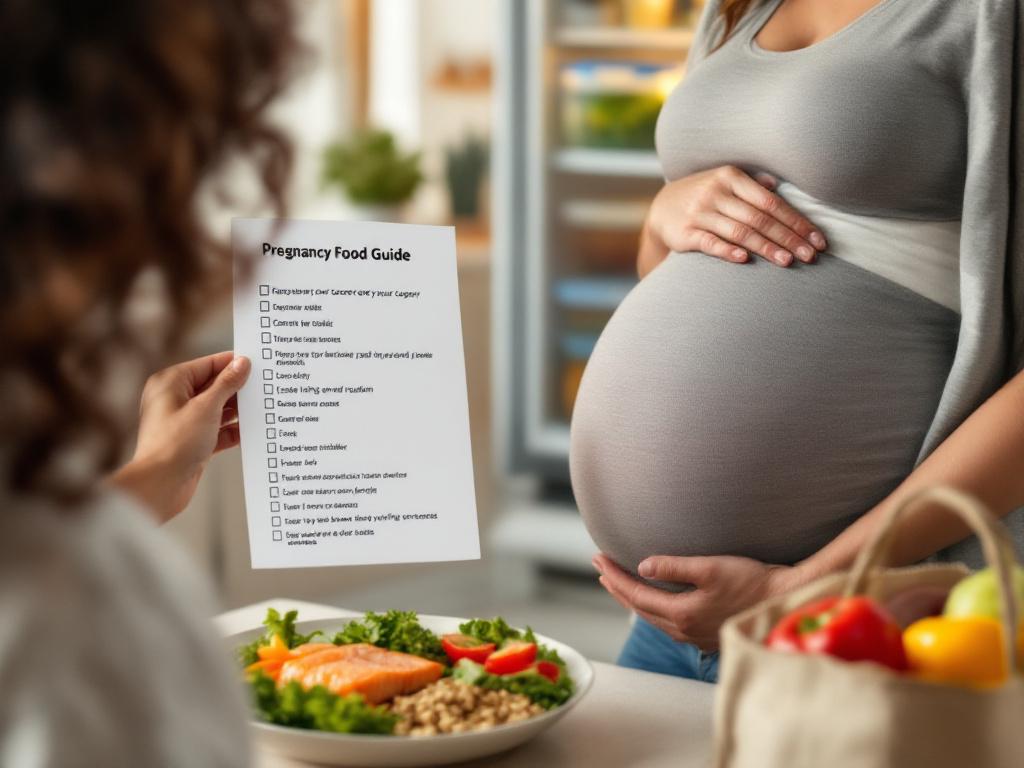
Pregnancy is a beautiful journey, but it comes with its own set of challenges, especially when it comes to food choices. Understanding which foods to avoid is vital for your health and that of your growing baby.
In this article, you’ll find essential tips on food safety during pregnancy—from a quick checklist of foods to steer clear of to guidelines on seafood and dairy. Each section is designed to empower you with knowledge, helping you make informed dietary decisions throughout your pregnancy.
We’ll cover trimester-specific rules, grocery shopping strategies, meal planning, and even debunk some common myths surrounding food safety. By the end, you’ll have a comprehensive toolkit to navigate your pregnancy diet with confidence.
How we evaluate food safety guidelines
Criteria include nutritional value, safety concerns, and recommendations from experts in maternal and child health.
Why food safety matters in pregnancy
The Importance of Food Safety in Pregnancy
During pregnancy, maintaining a nutritious diet is vital not only for the expectant mother but also for the developing fetus. Consuming the right foods can promote healthy growth, while unsafe foods can expose both mother and baby to serious health risks. Potential dangers include foodborne illnesses such as listeria and toxoplasmosis, which can lead to premature birth, low birth weight, or even miscarriage. Understanding which foods to avoid is crucial for safeguarding both the mother’s and baby’s health.
Foods to Avoid
One of the primary concerns during pregnancy is contamination from harmful bacteria and toxins found in certain foods. Pregnant individuals should steer clear of:
- Raw fish: Sushi and other raw seafood can harbor parasites and harmful bacteria.
- Soft cheeses: Unpasteurized dairy products can expose you to listeria.
- Deli meats: These may contain listeria and should be heated thoroughly before consumption.
- High-mercury fish: Fish like shark, swordfish, and mackerel should be avoided due to mercury levels, which can affect fetal brain development.
For additional guidance and a comprehensive checklist of foods to avoid, consider exploring our chapter on Pregnancy Food Safety Guide 2026: Kitchen Rules That Matter.
Practical Tips for Safe Eating
Integrating safe eating habits during pregnancy doesn’t have to be daunting. Always read labels carefully, opting for pasteurized products, and ensure meats are cooked to appropriate temperatures. Fresh and thoroughly washed fruits and vegetables are generally safe. These small steps can significantly reduce the risk of foodborne illness, allowing you to enjoy a healthy pregnancy.
Quick printable foods to avoid checklist
During pregnancy, maintaining a balanced diet is crucial, but it’s equally important to be aware of foods to avoid. Certain items can pose risks to both the mother and unborn baby. Understanding these risks helps make informed dietary choices and contribute to a healthier pregnancy.
Foods and Beverages to Avoid
- Raw or Undercooked Seafood: Avoid sushi, oysters, and ceviche, as they can harbor harmful bacteria and parasites, leading to infections such as listeria and toxoplasmosis.
- High-Mercury Fish: Fish like shark, swordfish, and king mackerel contain elevated levels of mercury, which can affect fetal brain development. Opt for safe fish choices like salmon or tilapia instead.
- Deli Meats: Unpasteurized deli meats may contain listeria. If consuming, ensure they are heated to steaming to kill any harmful bacteria.
- Soft Cheeses: Cheeses like Brie, Camembert, and feta may be unpasteurized, posing risks of listeriosis. Always check labels for pasteurization.
- Unpasteurized Milk: Similar to soft cheeses, unpasteurized milk can harbor dangerous bacteria. Choose pasteurized options to ensure safety.
For more details on things to avoid in early pregnancy, see our guide to early pregnancy: 21 things to avoid for safety (2026).
Other Risk Factors
Apart from specific foods, it’s wise to limit caffeine intake to 200 mg per day and avoid all alcohol during pregnancy. Follow these guidelines to reduce health risks for both mother and child. This awareness will provide a solid foundation for a healthy pregnancy diet.
Seafood safety and mercury guidance
When pregnant, one crucial aspect of a healthy diet is understanding seafood safety, particularly regarding mercury levels. Certain fish contain high levels of mercury, which can harm fetal development. Pregnant individuals should avoid consuming fish like shark, swordfish, king mackerel, and tilefish, as they have the highest mercury concentrations. Instead, opt for safer seafood options such as salmon, shrimp, and catfish, which are lower in mercury. For more details on safe fish during pregnancy, see our guide to safe fish during pregnancy 2026: low‑mercury choices & portions.
Important: Soft cheeses, unpasteurized milk, and deli meats can also pose risks due to potential listeria and toxoplasmosis contamination, which are harmful during pregnancy. Avoid any unpasteurized dairy products and ensure that any deli meats are heated until steaming to kill potential harmful bacteria. It’s essential to always read labels when purchasing food items to ensure they are safe for consumption.
Furthermore, raw fish, including sushi, should be avoided altogether, as they can contain harmful bacteria and parasites. Moreover, always consult reliable sources, such as the CDC or your healthcare provider, for up-to-date guidance on dietary restrictions during pregnancy. Staying informed and cautious about the foods to avoid during pregnancy can significantly reduce health risks for both mother and baby.
Dairy, eggs, and prepared meats safety
When it comes to a pregnancy diet, ensuring food safety is paramount. Certain foods carry risks that could compromise both maternal and fetal health. This chapter focuses on dairy, eggs, and prepared meats—items that may harbor risks such as listeria and toxoplasmosis.
Dairy Safety
Pregnant individuals should avoid unpasteurized milk and cheeses made from unpasteurized milk, which can harbor harmful bacteria like listeria. Soft cheeses, such as Brie, Feta, and Chevre belong to this category and must be avoided unless they are labeled as pasteurized. The CDC emphasizes that consuming unpasteurized products increases the risk of severe infections, leading to complications in pregnancy.
Egg Safety
Raw or undercooked eggs can pose risks such as salmonella. Pregnant individuals should steer clear of dishes like homemade mayonnaise or Caesar salad dressing that contain raw eggs. Instead, opt for cooked eggs—ensuring they are firm, with both the white and yolk fully set—to eliminate the risk.
Prepared Meats Precautions
Deli meats and hot dogs should be heated until steaming hot to minimize the risk of listeria. Cold cuts can harbor harmful bacteria, so checking for safe handling and preparation—such as heating before consuming—is crucial. For more details on pregnancy food safety, see our Pregnancy Food Safety Guide 2026: Kitchen Rules That Matter.
Adhering to these safety guidelines will help ensure a healthier pregnancy. For further insights on things to avoid in early pregnancy, you can check our article on Early Pregnancy: 21 Things to Avoid for Safety (2026).
Grocery shopping and refrigerator storage guide
During pregnancy, grocery shopping requires careful consideration of food safety and nutrition. Understanding foods to avoid during pregnancy is crucial to protect both the mother and the developing baby. Many common food items can pose risks due to foodborne illnesses or harmful substances. For instance, pregnant individuals should avoid high-mercury fish such as shark and swordfish, as mercury exposure can affect fetal brain development. Additionally, avoid raw fish and sushi to minimize the risk of infection from parasites and bacteria.
Dairy products are another category where caution is necessary; soft cheeses and unpasteurized milk can harbor listeria, which can lead to serious complications. It’s best to opt for hard cheeses and pasteurized dairy options instead. Similarly, deli meats are often carriers of listeria and should either be avoided or heated to steaming to ensure safety.
For more detailed guidance, consider visiting our Aliments à éviter pendant la grossesse : guide sûr et complet 2026. Proper refrigeration is critical for food safety during and after shopping. Ensure your refrigerator is set below 40°F (4°C) to inhibit bacterial growth. Always store leftovers promptly and consume them within a few days. These precautions will help create a safer eating environment for you and your baby.
Understanding these safety measures can significantly reduce health risks during pregnancy. Your food choices play a vital role in not only your health but also that of your developing child.
Trimester specific rules and sample meal plans
During pregnancy, maintaining a balanced and safe diet is crucial. Each trimester comes with specific dietary considerations, particularly regarding foods to avoid. Pregnant individuals should be aware of certain foods that can pose risks to both the mother and the developing baby.
First Trimester
During the first trimester, it’s essential to minimize risks of foodborne illnesses. This period is critical for fetal development, so avoiding foods that can harbor harmful bacteria is vital. Key items to steer clear of include:
- Raw fish and sushi: These can contain parasites and bacteria.
- Soft cheeses: Such as feta and brie, unless they are made from pasteurized milk, since they can contain listeria.
- Unpasteurized milk: This can harbor harmful bacteria like E. coli or salmonella.
Second Trimester
As pregnancy progresses, maintaining nutrient intake becomes even more important. Foods to limit or avoid during this phase include:
- Deli meats: These can carry listeria and should be consumed only if heated until steaming.
- High-mercury fish: Types like shark, swordfish, and king mackerel should be avoided due to potential harm from mercury exposure.
Third Trimester
In the last trimester, it’s essential to maintain a diet rich in nutrients while continuing to avoid harmful substances. Always be cautious with:
- Alcohol: No amount is considered safe during pregnancy.
- Caffeine: Limit intake to less than 200 mg per day, which is roughly equivalent to one 12-ounce cup of coffee.
For more information on your dietary options throughout pregnancy, consult our Pregnancy Food Safety Guide 2026: Kitchen Rules That Matter. Adhering to these guidelines can significantly reduce risks associated with foodborne illnesses and promote the health of both mother and baby.
Special diets, cultural foods, and myth busting
Foods to Avoid During Pregnancy
A healthy pregnancy diet is crucial for both mother and baby, yet some foods pose risks that should be carefully avoided. Notably, certain items can harbor harmful bacteria or toxins that may affect fetal development. For instance, raw fish and sushi during pregnancy should be avoided to eliminate the risk of exposure to parasites and toxins, including mercury, found in some fish.
Similarly, soft cheeses and any unpasteurized milk can carry listeria or other pathogens. Deli meats are another concern; they may contain listeria if not heated properly. It’s vital to always look for labels indicating safety, such as those certified by the FDA for pasteurization.
Additionally, foods high in mercury, such as shark and swordfish, should be completely avoided to protect fetal neurological development. Pregnant individuals should also limit caffeine and refrain from alcohol altogether, as both can have long-term impacts on fetal health.
This comprehensive understanding of what foods to avoid empowers expecting parents with the knowledge they need to ensure a safe and healthy pregnancy journey.
Understanding the nuances of food safety during pregnancy is vital for both maternal and fetal health. Staying informed about which foods to avoid allows expectant mothers to better manage their nutritional needs while minimizing risks. Utilize the downloadable checklist and meal plans to help navigate your choices confidently.
When shopping, prioritize high-quality options that adhere to safety standards, ensuring the best for you and your baby. Products from brands known for their rigorous quality assurance can offer peace of mind in your selections. Remember, every small step counts in nurturing a healthy pregnancy.
Take charge today and share your newfound knowledge with others. Pregnant women can empower themselves by creating a supportive community focused on safe eating practices.
Frequently asked questions about foods to avoid during pregnancy
What types of fish should be avoided during pregnancy?
Avoid fish with high mercury levels, such as shark, swordfish, and king mackerel. Opt for safer choices like salmon and sardines instead, which are rich in omega-3 fatty acids.
Can I eat eggs during pregnancy?
Yes, but make sure they are well-cooked to reduce the risk of salmonella. Raw or undercooked eggs should be avoided.
Is it safe to eat deli meats while pregnant?
Deli meats can pose a risk of listeria. Ensure they are heated to steaming before consuming to eliminate potential bacteria.
Can I drink coffee during pregnancy?
Moderate consumption of caffeine is generally considered safe, but limit intake to about 200mg per day. Always consult your healthcare provider for personalized advice.
What dairy products are safe during pregnancy?
Opt for pasteurized dairy products to prevent exposure to harmful bacteria. Check labels to ensure they're made with pasteurized milk.
How often should I check my food expiration dates?
Regularly check expiration dates, especially in your refrigerator. Discard items that are past their expiration to avoid foodborne illnesses.