



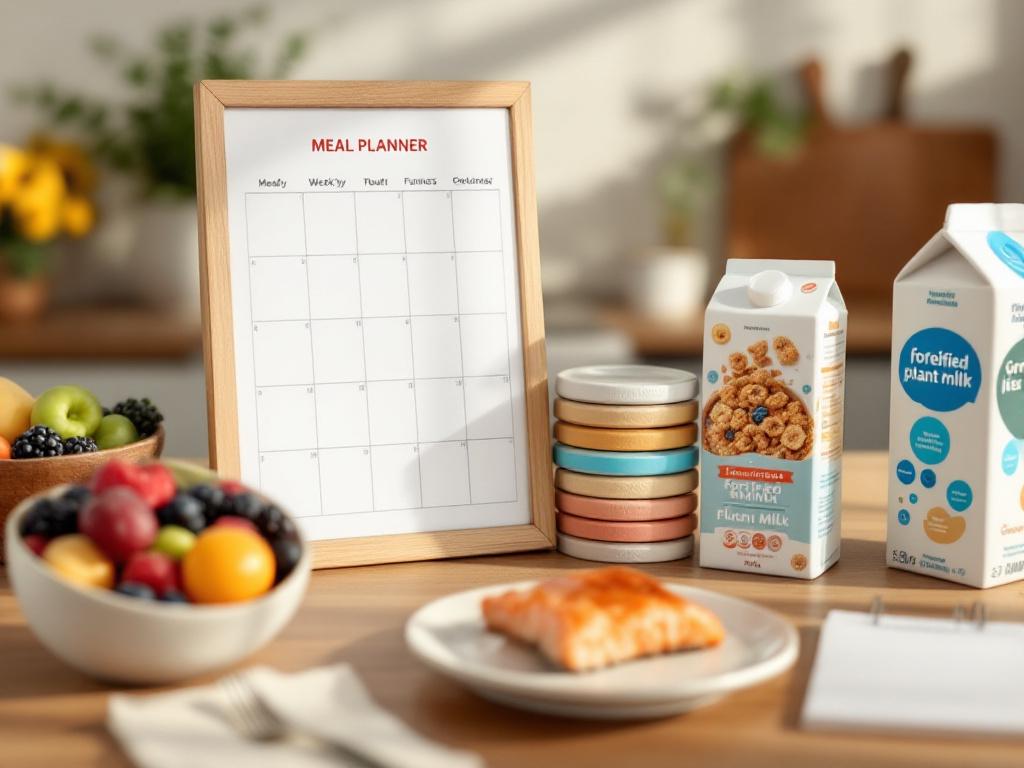
Pregnancy is an exciting journey, but knowing what to eat can be overwhelming! A well-structured pregnancy food chart can be your best friend, guiding you through essential nutrients while keeping both mom and baby healthy.
This article breaks down daily portion targets, provides a handy pregnancy plate guide, and highlights foods to avoid. Plus, you’ll find a printable weekly planner to simplify meal prep!
Learn how to tailor your diet for gestational diabetes, combat nausea, or embrace a plant-based lifestyle. We’ll also share trackers, serving visuals, and quick snack recipes that fit your busy schedule.
How we evaluate pregnancy meal guidelines
Created using a combination of expert nutritional advice, current dietary guidelines, and real-world feedback from healthcare professionals.
Daily Portion Targets and the Pregnancy Plate
During pregnancy, understanding daily portion targets is crucial for both maternal health and fetal development. A structured pregnancy food chart can provide guidance on serving sizes, ensuring that expectant individuals meet their nutritional needs. According to Health Service Executive (HSE), a balanced diet is essential, prioritizing a variety of food groups.
Understanding Food Groups
The food pyramid serves as a useful model for meal planning during pregnancy. It emphasizes the importance of:
- Fruits and Vegetables: Aim for at least five servings per day, providing necessary vitamins, minerals, and fiber.
- Whole Grains: Incorporate sources like brown rice or whole grain bread, targeting six to eight servings daily.
- Proteins: Include lean meats, legumes, or fish, with two to three servings recommended, particularly focusing on haem iron sources for better absorption.
- Dairy: Three servings daily of calcium-rich options, crucial for fetal bone development.
Also, consider adding vitamin C rich foods, like citrus fruits, to enhance iron absorption from plant sources like spinach, which provide non-haem iron.
Key Supplements
Folic acid supplementation is vital during pregnancy, with a recommendation of 400 micrograms daily to prevent neural tube defects. Additionally, iron is crucial to combat anemia; thus, pairing iron-rich foods with vitamin C can optimize absorption while avoiding tannins found in tea, which can inhibit this process.
In summary, utilizing a pregnancy food chart aligned with these guidelines can serve as a practical roadmap for a healthy pregnancy diet. For more details on foods to avoid during pregnancy, consider exploring our complete guide. This ensures not only effective nutrition but also reduces risks associated with specific foods.
Foods to Avoid and Portion Limits During Pregnancy
During pregnancy, maintaining a balanced pregnancy diet is crucial, but it is equally important to know which foods to avoid and how to manage portion sizes. Certain foods pose risks of infection or harm to both the mother and baby and should be limited or eliminated from your diet.
Foods to Avoid
A variety of foods should be avoided to mitigate health risks. For instance, raw or undercooked meats can harbor harmful bacteria such as Listeria and Salmonella, jeopardizing fetal health. Additionally, certain fish, especially large varieties like shark and swordfish, contain high mercury levels that can adversely affect fetal brain development. Learn more about foods to avoid during pregnancy.
- Soft cheeses made from unpasteurized milk (e.g., Brie, feta) due to Listeria risk.
- Raw or undercooked seafood, including sushi and oysters.
- Deli meats unless heated to steaming.
- Alcohol in any amount, which can lead to developmental issues.
Portion Limits and Nutritional Balance
Monitoring servings per day is essential for a healthy pregnancy. It is recommended to follow the food pyramid model, ensuring balanced nutrition. Pregnant individuals should aim for:
- 5 servings of fruits and vegetables.
- 6-8 servings of whole grains to support energy needs.
- 2-3 servings of dairy, rich in calcium for fetal development.
- Lean proteins, ensuring both haem and non-haem iron sources are included to boost iron absorption, especially with vitamin C rich foods.
It’s crucial to consume 400 micrograms of folic acid daily to reduce the risk of neural tube defects. Avoiding tannins found in tea during meals can enhance iron absorption, maximizing nutritional benefits during this pivotal time in your life.
Sample Daily Menus and a Printable Weekly Planner
Creating balanced daily menus during pregnancy is vital for ensuring both the mother and the growing baby receive essential nutrients. Based on the food pyramid and daily portion targets, here’s how you can structure your meals, including servings per day from various food groups to meet the nutritional demands of pregnancy.
Sample Daily Menu
- Breakfast: Oatmeal topped with sliced bananas (1 serving whole grains, 1 serving fruit) and a glass of fortified orange juice (1 serving vitamin C).
- Mid-Morning Snack: Greek yogurt with a small handful of berries (1 serving dairy, 1 serving fruit).
- Lunch: Spinach salad with chickpeas, cherry tomatoes, and a squeeze of lemon (1 serving vegetables, 1 serving legumes). Serve with a slice of whole grain bread (1 serving whole grains).
- Afternoon Snack: A small handful of nuts (1 serving protein) and a piece of fruit.
- Dinner: Grilled chicken breast alongside quinoa and steamed broccoli (1 serving protein, 1 serving grains, 1 serving vegetables). Drizzle with olive oil for healthy fat.
- Evening Snack: A glass of low-fat milk (1 serving dairy).
Printable Weekly Planner
Creating a weekly meal planner can help pregnant individuals stay organized and ensure nutritional needs are met. Here’s a simple structure:
| Day | Breakfast | Lunch | Dinner |
|---|---|---|---|
| Monday | Oatmeal | Salad | Grilled salmon |
| Tuesday | Fruit smoothie | Quinoa bowl | Lentil soup |
| Wednesday | Scrambled eggs | Chicken wrap | Vegetable stir-fry |
Using this planner ensures a variety of foods throughout the week, helping meet the required folic acid intake of 400 micrograms per day, enhance iron absorption with the right food pairings, and provide adequate calcium from dairy sources. For additional guidance, consider visiting authoritative resources like the HSE guidance on pregnancy nutrition.
Nutrition Tweaks for Gestational Diabetes, Nausea and Plant-Based Diets
Managing nutrition during pregnancy can be particularly challenging for those facing gestational diabetes or nausea. Implementing strategic food choices can support both maternal health and fetal development, ensuring a balanced pregnancy diet.
Gestational Diabetes Management
For mothers diagnosed with gestational diabetes, the focus should be on low-glycemic foods that stabilize blood sugar levels. A diet rich in non-starchy vegetables, whole grains, and lean proteins is advisable. Consider incorporating foods like lentils, quinoa, and brown rice, which can offer beneficial fibres and nutrients, and help maintain glucose stability.
- Whole grains: Aim for 6-8 servings per day.
- Non-starchy vegetables: Include 3-5 servings per day, emphasizing choices such as broccoli, spinach, and carrots.
- Protein sources: Target 2-3 servings each day, considering options like tofu, legumes, or poultry.
Nausea and Plant-Based Solutions
Nausea is a common concern in early pregnancy. Consuming small, frequent meals can help alleviate discomfort. Foods with ginger, such as ginger tea or ginger ale, are noted for their anti-nausea properties. A plant-based diet can also support overall wellness and provide essential vitamins and minerals.
- Folic acid supplement: Ensure a daily intake of at least 400 micrograms, crucial for fetal development.
- Iron-rich foods: Focus on both haem and non-haem iron sources, like spinach and lentils. To enhance absorption, pair these with vitamin C-rich foods such as oranges or strawberries.
- Hydration: Keep fluid intake high, especially if experiencing nausea.
Balanced Approaches
Incorporating a variety of foods not only fulfills nutritional requirements but also adapts to individual preferences, whether avoiding nausea or managing blood sugar levels. Using the food pyramid as a guideline, aim to prioritize fruits, vegetables, whole grains, and lean proteins while avoiding excess sugar and processed foods.
This comprehensive approach not only aids in managing conditions such as gestational diabetes and nausea but also supports a healthier pregnancy experience overall. Remember, regular consultations with healthcare providers are essential to tailor dietary needs specifically during pregnancy.
Key finding: A well-rounded pregnancy food chart that includes specific servings from each food group can provide essential nutrients while catering to individual dietary needs, leading to a healthier pregnancy journey.
Trackers, Serving Visuals and Quick Snack Recipes
During pregnancy, maintaining a balanced diet is crucial for both the mother’s health and the baby’s development. A pregnancy food chart can serve as a useful tool, visually representing recommended dietary guidelines based on the food pyramid model. This model allows expectant mothers to understand the various food groups they should focus on, along with the recommended servings per day to ensure they meet their nutritional needs.
Understanding Servings in the Food Pyramid
The food pyramid emphasizes the importance of consuming a variety of foods. For example, pregnant individuals are advised to aim for at least five servings of vegetables and fruits daily, which provide essential vitamins and minerals. Whole grains, such as brown rice and whole-wheat bread, should be consumed in at least six servings, as they are a key source of energy and fiber. Additionally, protein sources like lean meats, fish, beans, and dairy should be included, with a recommendation of two to three servings per day to support iron absorption—important for preventing anemia.
Key Nutritional Highlights
- Folic Acid: It is essential to consume 400 micrograms of folic acid daily to support fetal neural development.
- Iron Sources: Both haem and non-haem iron sources are important; haem iron comes from meat, while non-haem is found in plant foods. Pairing non-haem iron with vitamin C rich foods, such as oranges or bell peppers, can enhance absorption.
- Calcium: Dairy products are excellent sources of calcium, which ensures strong bone development in the fetus.
Snack Strategies for Busy Days
Pregnancy can bring cravings and the need for healthy snacks. Quick snack recipes should be both nutritious and easy to prepare. For example, a yogurt parfait with berries provides calcium and antioxidants, while hummus with carrot sticks offers fiber and protein. For more ideas, check out our guide to 35 pregnancy snacks to buy in 2026: dietitian picks for convenient options that cater to various dietary preferences.
Incorporating these strategies will not only help in maintaining a balanced pregnancy diet but also in ensuring both mother and baby receive the essential nutrients needed during this critical time.
In summary, a well-structured diet during pregnancy is essential for both mother and baby. By focusing on balanced portions across food groups, avoiding certain harmful foods, and incorporating nutritious snacks, you are setting the stage for optimal health. Tailoring your diet to address specific challenges like gestational diabetes or nausea can also provide relief and satisfaction.
To move forward, consider creating your personalized meal plans using the printable weekly planner provided, and don’t hesitate to experiment with quick snack recipes that combine convenience with nutrition. For additional support, premium brands such as Garden of Life offer supplements that can complement your diet, enhancing overall well-being.
Empower yourself with knowledge, and take proactive steps towards a healthier pregnancy. Every positive choice you make today influences the journey you embark on tomorrow.
Frequently Asked Questions about Pregnancy Food Chart
What are the key nutrients needed during pregnancy?
<strong>Essential nutrients include folic acid, iron, calcium, protein, and DHA.</strong> These nutrients support fetal development and help maintain mom's health.
How can I avoid nausea while ensuring proper nutrition?
<strong>Try eating small, frequent meals and incorporating ginger or peppermint.</strong> Foods rich in carbs, like crackers, might also ease morning sickness.
Is it safe to follow a vegan diet during pregnancy?
<strong>Yes, it is safe</strong> if well-planned. Focus on including plant-based proteins, healthy fats, and fortified foods to meet nutritional needs.
How do I know if I'm getting enough calories?
<strong>Monitoring weight gain is a good indicator.</strong> Typically, pregnant individuals need about 300 extra calories daily, but it's best to consult your healthcare provider.
What foods should I avoid during pregnancy?
<strong>Avoid raw or undercooked seafood, eggs, and meat, as well as unpasteurized dairy.</strong> Steering clear of these items reduces the risk of foodborne illness.