


Are you expecting and wondering about the safety of fish during your pregnancy? You’re not alone! While fish can be a nutritious part of your diet, understanding which types are safe and what to avoid is crucial for both your health and your baby’s development.
This article aims to simplify your choices by delving into the importance of fish, the risks associated with mercury exposure, and detailed lists of low-mercury species alongside those to avoid. You’ll also find practical meal planning tips and essential food safety rules tailored for pregnant women.
By the end, you’ll be equipped with the knowledge to enjoy fish safely or explore alternatives if you prefer not to eat it. Plus, get ready for a clearer approach to meal preparation during this exciting time!
How we evaluate safe fish for pregnancy
We assess mercury levels, nutritional benefits, and safety recommendations to provide reliable guidance for expecting mothers.
Why fish matters and how mercury affects you
Understanding the Importance of Fish during Pregnancy
Fish is a crucial part of a balanced diet, especially during pregnancy, as it is a rich source of essential nutrients. These include omega-3 fatty acids, particularly EPA and DHA, which are vital for fetal brain development and overall growth. Pregnant women require increased amounts of protein and vital vitamins such as B6, B12, and D, all of which can be found in various fish species. The American Pregnancy Association emphasizes that consuming seafood during pregnancy can lead to better cognitive outcomes in children, making it a beneficial addition to prenatal nutrition.
The Risks of Mercury Exposure
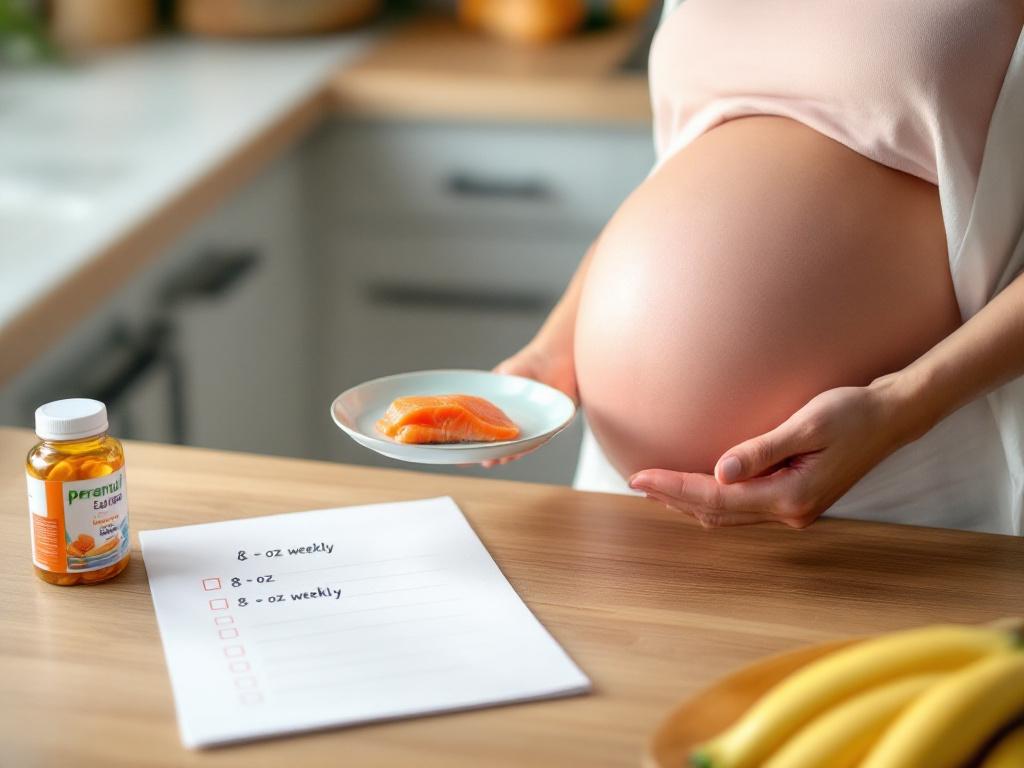
However, not all fish are safe during pregnancy due to the risk of mercury contamination. Mercury is a toxic heavy metal that can affect fetal development and lead to serious health issues. Fish at the top of the food chain, especially larger species, tend to accumulate more mercury traces. Therefore, it is essential to follow the Food and Drug Administration (FDA) recommendations to limit fish consumption to 8-12 ounces per week, focusing on low-mercury options to minimize exposure while still reaping the nutritional benefits.
Choosing Safe Options
To safely include fish in a pregnancy diet, focus on low-mercury species such as salmon, sardines, and trout. These options not only lower the risk of mercury exposure but also provide ample omega-3 fatty acids that support both maternal health and fetal development. Avoid high-mercury fish like shark, swordfish, and king mackerel to reduce health risks. By making informed choices, expectant mothers can enjoy the numerous benefits of seafood, ensuring their health and that of their baby.
Low mercury species checklist and high risk fish to avoid
When navigating the world of safe fish during pregnancy, it is vital to differentiate between low-mercury fish that provide essential nutrients and those that pose a risk due to high mercury levels. The FDA recommends that pregnant women consume 8 to 12 ounces of a variety of seafood each week. To help you make informed choices, here’s a comprehensive checklist of fish that you can safely enjoy along with those you should avoid.
Low Mercury Fish to Enjoy
Incorporating fish into your diet can significantly boost your intake of omega-3 fatty acids (EPA and DHA), along with important proteins and vitamins like B6, B12, and D. Here are some low-mercury fish options:
- Salmon – Rich in omega-3s and low in mercury.
- Sardines – Excellent source of protein and vitamins.
- Trout – Freshwater fish that is packed with nutrients.
- Catfish – A popular choice that is both safe and nutritious.
- Shrimp – Contains low mercury levels and is high in protein.
For a more detailed list of safe options, check the FDA’s guidelines on seafood consumption.
High-Risk Fish to Avoid
While fish can be beneficial during pregnancy, some species are known for their high mercury content and should be avoided. Consuming these can lead to mercury traces in your bloodstream, which may harm fetal development. The following fish are considered high-risk:
- Shark – Exceptionally high mercury levels.
- King Mackerel – Unsafe due to significant mercury accumulation.
- Tilefish – Known for its high mercury concentrations.
- Bigeye Tuna – Contains more mercury compared to other tuna varieties.
- Swordfish – Often carries high levels of toxins.
By following guidance from the Foods to Avoid During Pregnancy: Complete, Safe Guide 2026, you can make smart choices that support your health and your baby’s development. Always consult with a healthcare provider for personalized advice regarding dietary choices during pregnancy.
Practical meal planning and portion strategies
Understanding Safe Fish During Pregnancy
Pregnancy is a critical time for nutritional choices, making it essential to include safe fish in your diet. Fish provides key nutrients like Omega-3 fatty acids, particularly EPA and DHA, which support fetal brain and eye development. However, as highlighted by the Food and Drug Administration (FDA), not all fish are equal in safety due to varying levels of mercury. Pregnant women should prioritize low-mercury fish to maximize benefits while minimizing risks.
According to the FDA recommendations, it is safe to consume 8-12 ounces (2-3 servings) of low-mercury fish per week. Options include salmon, sardines, and catfish, which are not only delicious but also rich in protein, vitamin B12, vitamin D, and selenium. These nutrients play a significant role in your body during pregnancy, aiding in energy production and overall health.
Portion Strategies and Meal Planning
To effectively integrate safe seafood into your meal planning, consider meal delivery services that cater to pregnant women. These services often offer curated selections focusing on nutrition and safety, allowing you to relax while ensuring that you receive essential nutrients. For instance, Pregnancy Meal Delivery 2026: Safe Services Compared can assist you in finding safe and nutritious options.
When preparing meals, aim to include fish alongside a variety of vegetables and whole grains. This approach will not only provide a balanced diet but also make meal times enjoyable. Remember to cook fish to an internal temperature of 145°F to ensure safety. Incorporating fish into balanced meals, while adhering to portion guidelines, supports both your health and your baby’s development.
Key Finding: Maintaining proper serving sizes and choosing low-mercury fish can significantly enhance the nutritional benefits of seafood during pregnancy, as supported by research from the American Journal of Epidemiology.
Food safety and preparation rules for pregnancy
Safe Fish During Pregnancy
When it comes to seafood during pregnancy, choosing safe fish is crucial for both maternal health and fetal development. Pregnant women are encouraged to consume a variety of low-mercury fish that provide essential nutrients like Omega-3 fatty acids, protein amino acids, and vitamins such as B6, B12, and D. The Food and Drug Administration (FDA) outlines guidelines recommending that pregnant women eat 8 to 12 ounces of seafood per week, focused on low-mercury options.
Some excellent choices include salmon, shrimp, cod, and catfish, all known for their lower mercury content and rich nutrient profile. These fish are not only high in protein but also contain beneficial omega-3 fatty acids (EPA and DHA), which are vital for your baby’s brain development. Conversely, fish high in mercury like shark, swordfish, and king mackerel should be avoided, as mercury can adversely affect fetal neurological development.
When preparing fish, it’s essential to cook it thoroughly to an internal temperature of 145°F to kill any harmful bacteria or parasites. This process ensures the safety of both you and your growing baby. For more details on foods to avoid during pregnancy, see our guide to foods to avoid during pregnancy: complete, safe guide 2026. Choosing well-tested seafood not only minimizes risk but also maximizes nutritional benefits, which can fundamentally support your pregnancy journey.
Special cases and alternatives if you don’t eat fish
Exploring Nutritional Alternatives
For those who choose not to eat fish during pregnancy, there are several safe and nutritious alternatives that can provide essential omega-3 fatty acids, which are vital for fetal brain development. Sources such as walnuts, chia seeds, and flaxseeds are rich in alpha-linolenic acid (ALA), a plant-based omega-3 fatty acid. Including these foods in your diet can help supplement your intake of key nutrients typically found in seafood. For example, a serving of flaxseeds contains approximately 2.35 grams of ALA, contributing significantly to your daily omega-3 needs.
Importance of Omega-3 Fatty Acids
Omega-3 fatty acids, particularly eicosapentaenoic acid (EPA) and docosahexaenoic acid (DHA), play crucial roles in maintaining overall health during pregnancy. If you’re avoiding fish, consider incorporating omega-3 fortified foods, such as certain brands of eggs and dairy products. Moreover, some manufacturers produce algae-based supplements that are specifically designed to provide DHA and EPA, making them an excellent alternative for those who do not consume fish. This can ensure that you still support the development of your baby’s nervous system while keeping your diet safe.
Protein and Other Vital Nutrients
In addition to omega-3s, it is essential to obtain sufficient protein and vitamins such as B6, B12, and D. Legumes, quinoa, nuts, and seeds can provide adequate protein and amino acids essential for fetal growth. Leafy greens and fortified plant-based milk can supply vital vitamin D, ensuring strong bone health for both mother and child. Consulting with a healthcare provider or a nutritionist can help tailor your diet to meet these nutritional goals without the need for fish.
Key finding: A well-planned vegetarian or vegan diet can still meet the nutritional requirements during pregnancy when carefully incorporating alternative sources of omega-3 and other essential vitamins.
Incorporating fish into your pregnancy diet can provide essential nutrients, but it’s crucial to be mindful of mercury exposure. Opting for low-mercury species and following safe preparation practices will significantly reduce health risks for both mother and child. Meal planning can help you enjoy these seafood benefits while avoiding contaminants.
If you’re not a fish fan, consider fortified alternatives like flaxseed or chia seeds for omega-3 fatty acids. For balanced nutrition, explore premium options that focus on sustainable sources, ensuring you and your baby receive optimal nourishment. Prioritizing safety and informed choices will enhance your pregnancy experience.
As you navigate dietary decisions, remember that knowledge is empowering. Share your newfound insight with others and embrace the journey of healthy eating during this special time.
Frequently Asked Questions about Safe Fish During Pregnancy
Can pregnant women eat sushi?
Strongly advised against consuming sushi made with raw fish due to increased risk of foodborne illnesses. <strong>Cooked sushi</strong> options can be a safer alternative.
What are some good fish choices for pregnancy?
Safe choices include <strong>salmon</strong>, <strong>trout</strong>, and <strong>catfish</strong>, as they are low in mercury and high in necessary nutrients.
How often can I eat fish during pregnancy?
It's generally safe to consume <strong>2-3 servings</strong> of low-mercury fish per week. Keep portion sizes in check to balance nutrient intake with safety.
Are canned fish safe during pregnancy?
Yes, canned fish like <strong>tuna</strong> and <strong>salmon</strong> can be safe options if consumed in moderation. Always check brands for mercury levels.
What should I do if I accidentally ate a high-mercury fish?
Avoid panic; focus on maintaining a balanced diet moving forward. If you have concerns, consult your healthcare provider for personalized advice.
What fish should I completely avoid?
<strong>Shark</strong>, <strong>swordfish</strong>, and <strong>king mackerel</strong> are high in mercury and should be avoided during pregnancy.